
Vandaag of morgen in huis

Kwaliteit gegarandeerd

Welkomstaanbiedingen ontgrendelen: GRATIS bezorging | Tot 80% korting | Gratis 30 dagen JoyPlus-proefperiode
Download de app
Buying a Korean face cream seems straightforward until you have to choose between gel creams, rich moisturisers and products containing centella, ceramides, niacinamide or retinol. Attractive packaging and phrases such as “intensive hydration” do not always tell you whether a cream is right for your skin.
The three most common pitfalls:
A hydrating face cream can be a gel, lotion, emulsion or rich cream. The texture mainly determines how comfortable the product feels and how well it fits into your routine.
A centella cream often contains Centella asiatica, also known as cica. A ceramide cream contains lipids that suit a routine focused on the skin barrier. Hyaluronic acid acts as a moisture-binding ingredient, while niacinamide is used in many K-beauty face creams to promote a more even-looking complexion.
Pay particular attention to:
An ingredients list tells you what is in the formula, but not how your skin will react to it. Stop using the product if irritation persists, and consult a doctor or dermatologist if in doubt.
Compare the volume in millilitres or grams, not just the price of the jar. A 100 ml jar may appear better value than a 30 ml tube, but usage depends on how much you apply each time.
Also check:
For products containing retinol, acids, vitamin C or tranexamic acid, using a sunscreen with a suitable SPF during the day is a sensible addition. This does not replace medical advice.

Why it suits this profile: The lightweight gel texture is practical for anyone starting with one daily moisturiser without a heavy feel.
The product description mentions a lightweight, non-sticky gel and a 100 ml size. However, check whether this level of hydration is sufficient for very dry skin.
100 ml; gel cream; according to the product information, designed to hydrate while leaving a less greasy feel.
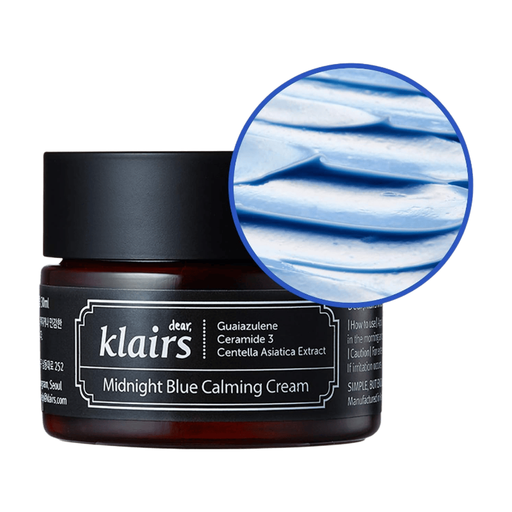
Why it suits this profile: According to the product description, this cream is intended for targeted evening application rather than as a heavy layer over the entire face.
Targeted use prevents you from automatically using a small package as a daily full-face cream. Check your skin’s tolerance of guaiazulene and botanical extracts.
30 g; fragrance-free formula according to the product information; contains Centella asiatica, ceramide NP and guaiazulene.
We have put together a complete, up-to-date list of products that fully meet these strict selection criteria and the applicable European safety regulations.
Apply the cream after cleansing and, if required, after a toner, essence or serum. Use a small amount and spread it evenly over your face and neck. With a new cream for dry skin, a slightly richer layer may feel comfortable in the evening; on oily skin, a thin layer is often sufficient.
Do not introduce several new products at the same time. This makes it easier to see which product suits you and which one causes irritation. Always follow the label, check the expiry date and avoid contact with the eyes. A cream is not a treatment for a skin condition. If you experience persistent redness, swelling, itching or a burning sensation, stop using the product and seek medical advice.
Look for a simple fragrance-free formula and choose a cream containing ingredients such as panthenol, centella or ceramides, provided your skin tolerates them. A patch test is still advisable, as botanical extracts can also cause a reaction in some people.
The exact shelf life is stated on the packaging. Check the expiry date and the symbol indicating the period after opening. Store the jar or tube in a cool, dry place away from direct sunlight. Has the scent, colour or texture changed? Do not continue using the product.
Yes, a regular moisturiser can be used alongside retinol to make your routine more comfortable. Start by using retinol on a few evenings each week, follow the product instructions and wear sun protection during the day. At first, avoid combining several exfoliating or highly active products.
