
Vandaag of morgen in huis

Kwaliteit gegarandeerd

Welkomstaanbiedingen ontgrendelen: GRATIS bezorging | Tot 80% korting | Gratis 30 dagen JoyPlus-proefperiode
Download de app
Buying Korean drinks may seem simple, but the wide range can make comparing products difficult. A colourful can tells you little about the sugar content, volume or ingredients. A drink that looks like a soft drink may also contain alcohol. If you focus only on the flavour or packaging, you can quickly end up paying too much or choosing a product that is not suitable for how you plan to use it.
A Korean fruit drink may contain a small amount of juice or concentrate, combined with sugar, sweeteners and flavourings. For example, Bong Bong Grape contains 5% grape pieces and 0.8% concentrated grape juice. Hallabong ADE lists 0.9% citrus concentrate. Always check the ingredients list if the fruit content is important to you.
Sugar-free soft drinks often contain sweeteners instead of sugar. LOTTE Chilsung Pepsi Zero Sugar Peach lists aspartame, acesulfame-K and sucralose, among other ingredients. The nutritional value is 0 kcal and 0 grams of sugar per 100 ml, but the flavour and choice of sweetener remain a matter of personal preference. If a drink contains aspartame, also check the statement about phenylalanine.
Makgeolli is a Korean rice wine with a cloudy appearance, gentle fizz and creamy texture. The varieties in this range contain 5% or 6% alcohol. This is not an ordinary Korean soft drink. When choosing Korean alcoholic drinks, check the alcohol content, serving size and warning for pregnant women. Do not drink alcohol if you are pregnant or trying to conceive.
If you want to buy makgeolli, it is worth checking the alcohol content and storage advice. Rice Wine Makgeolli White Grape contains 5% alcohol and, according to the product information, should be served chilled and shaken gently before pouring. WOORISOOL’s Rice Wine Makgeolli contains 6% alcohol. Sediment may cause the contents to look different from those of clear drinks.
Store alcoholic drinks according to the label and check the seal when your order arrives. The legal minimum age for drinking alcohol in the Netherlands is 18.
Always compare nutritional values per 100 ml and per pack. A 230 ml pouch of Jardin Muscat Ade contains, according to the product information, 150 kcal and 36 grams of sugar per pouch. Haitai Coco Palm Peach contains 41 grams of sugar per 340 ml can. This difference is less obvious when you only look at the front of the packaging.
For a sugar-free option, consider Sweet16 Korean Pear Ade Zero Sugar or Pepsi Zero Sugar Peach. Always check the current label, however, as product formulations and imported packaging may change.
Makgeolli may contain cereals with gluten. WOORISOOL’s variety contains, among other ingredients, wheat and barley. The White Grape variety lists rice, water, nuruk, white grape concentrate and sugar, and states that it contains none of the 14 major EU allergens.
Milkis Melon contains milk and soya and may contain traces of egg, gluten-containing cereals, peanuts, sulphites and nuts, among other allergens. If you have allergies, always read the packaging and do not rely solely on a brief online shop description.
A 190 or 250 ml can is useful for trying a new flavour. For a party, catering business or kitchen cupboard, a Korean drink multipack may be more practical. In that case, consider the total volume, storage space and shelf life. A case of 24 cans offers good value per serving if you already know you like the flavour, but is less suitable if you want to compare several different Asian drinks first.
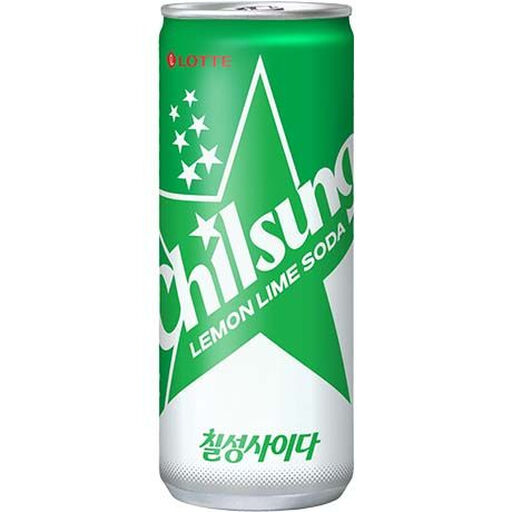
Why it suits this profile: The compact can size is ideal if you want to try a Korean soft drink without ordering a multipack straight away. The lemon and lime flavour pairs well with snacks and meals.
The nutritional information lists 40 kcal and 10 grams of sugar per 100 ml. This makes it clear what you are choosing, rather than leaving you to judge by the colourful design alone.
250 ml per can, carbonated and, according to the product information, free from the 14 major EU allergens.
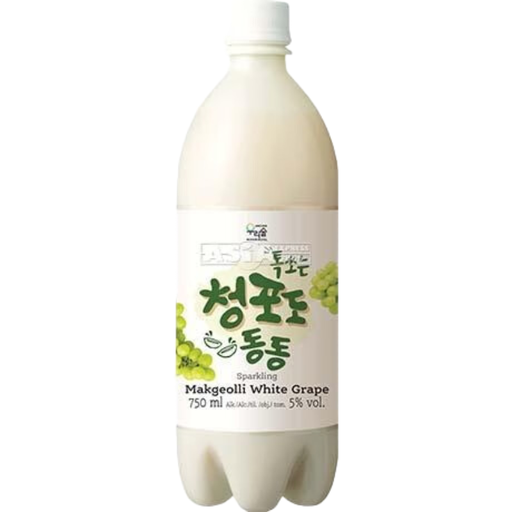
Why it suits this profile: The combination of traditional Korean rice wine and white grape flavour is an appealing choice if you are looking for a milder, fruitier makgeolli to enjoy with Korean dishes.
The alcohol content is clearly stated as 5%. This makes the difference between this drink and an ordinary Korean fruit drink immediately clear.
5% alcohol, white grape flavour, gently sparkling texture and serving instructions recommending it chilled.
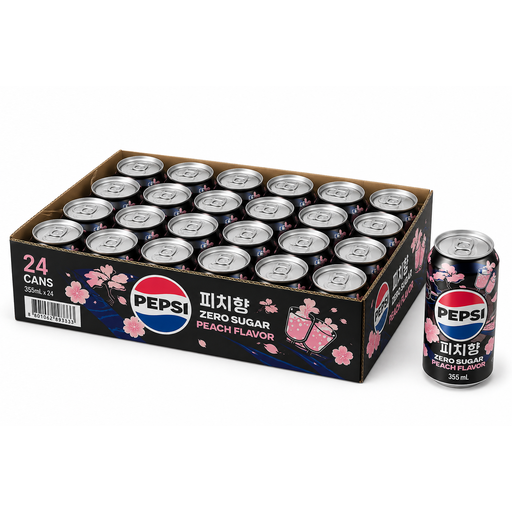
Why it suits this profile: A case of 24 355 ml cans is practical for parties, catering businesses or keeping a regular supply. The peach variety offers a different flavour from standard cola.
The multipack avoids having to buy 24 individual cans separately. The product information also lists 0 grams of sugar and 0 kcal per 100 ml.
24 355 ml cans, peach flavour, carbonated and sugar-free according to the stated nutritional values.
We have put together a complete, up-to-date list of products that fully meet these strict selection criteria and the applicable European safety regulations.
Choose a soft drink, fruit drink or ade that is clearly labelled alcohol-free. Examples include Lotte Lemon & Lime Lemonade, Jeju Hallabong ADE Sparkling and Bong Bong Grape. If in doubt, check the ingredients and nutritional information on the label.
Check the alcohol content, ingredients, possible allergens and storage instructions. Makgeolli is a fermented Korean rice wine and may contain gluten, depending on the grains used. Only shake a bottle if the label instructs you to, and serve the drink chilled according to the product information.
A multipack may work out cheaper per can or bottle, but this depends on the price, volume and delivery costs. Check the price per litre and choose a larger pack mainly when you already know you like the flavour. For a first taste, smaller cans or individual Korean fruit drinks are usually more flexible.
