
Vandaag of morgen in huis

Kwaliteit gegarandeerd

Welkomstaanbiedingen ontgrendelen: GRATIS bezorging | Tot 80% korting | Gratis 30 dagen JoyPlus-proefperiode
Download de app
Korean drinks come in far more varieties than just cola or soju. Think Korean soft drinks with melon flavour, Korean fruit drinks with pieces of fruit, Korean tea for hot or cold water, iced tea, coffee and traditional alcoholic drinks such as makgeolli. This wide choice is precisely why comparing products is important.
If you rely solely on an eye-catching label or a familiar flavour, you may end up with a drink that is too sweet, unsuitable for your diet or packaged inconveniently. The following points will help you make a more informed choice.
A fruit drink may contain a low percentage of juice while still having a strong mango, lychee or grape flavour. That is why you should check the ingredients list. For example, Bong Bong Grape lists 5% grape pieces and 0.8% concentrated grape juice. This gives it a different product profile from a drink with a high juice content.
The difference is also significant with tropical fruit drinks. Iam Superjuice Mango and Passionfruit list 30% fruit juice. This is a verifiable product specification, but it says nothing about your personal taste preferences.
A sugar-free fruit drink often contains sweeteners. For example, Wicky Mango lists sucralose and acesulfame-K, while LOTTE CHILSUNG Pepsi Zero Sugar Peach contains, among other ingredients, aspartame, acesulfame-K and sucralose. So check both sugars per 100 ml and the sweeteners used.
Also pay attention to claims such as “no added sugar”. This means that, according to the product information, no sugar has been added; the product may still contain naturally occurring sugars.
A box of 12 or 24 cans may offer good value per serving, but it does require storage space. Pouches are light and easy to take with you, while glass bottles or large jars require more care when storing and opening. Before buying, check:
Where possible, compare nutritional values per 100 ml. This gives you a fairer comparison between, for example, a 230 ml can and a 360 ml bottle. A product may look reasonable per 100 ml, but a large serving can still contain a substantial amount of sugar or calories.
Examples from the range:
So do not use “low in calories” or “sugar-free” as your only deciding factor. Check the ingredients and serving size as well.
A Korean tea such as citron tea, ginger tea or jujubee tea is usually a concentrate in a jar. You mix it with hot or cold water. This differs from a ready-to-drink Korean iced tea or soft drink, which you drink chilled straight away.
Nokchawon Citron Tea contains, among other ingredients, sweetened citron, fructose and citric acid. Delief Ginger Tea and Delief Jujubee Tea are also tea mixes containing sugar or fructose. If you prefer a less sweet drink, you can use more water, but always check the recommended preparation method on the label.
For Korean alcoholic drinks, the alcohol content is an essential point of comparison. 7DROPS Soju Lychee contains 12% alcohol, while WOORISOOL’s Rice Wine Makgeolli lists 6% alcohol. According to the product information, makgeolli contains rice, barley and wheat flour, and therefore cereals containing gluten.
For every alcoholic product, check:
Drink alcohol responsibly and do not drink if you are underage, still need to drive or must avoid alcohol.
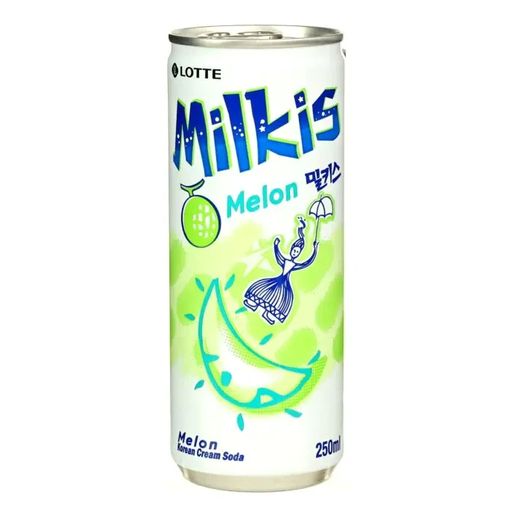
Why it suits this profile: A compact 250 ml can is ideal for trying a Korean soft drink without immediately buying a large multipack.
The nutritional information lists 12 g of sugar per 100 ml, and the label identifies milk and soya as allergens. You can assess the flavour and ingredients in advance.
Melon flavour, carbonation, skimmed milk powder and a 250 ml serving.
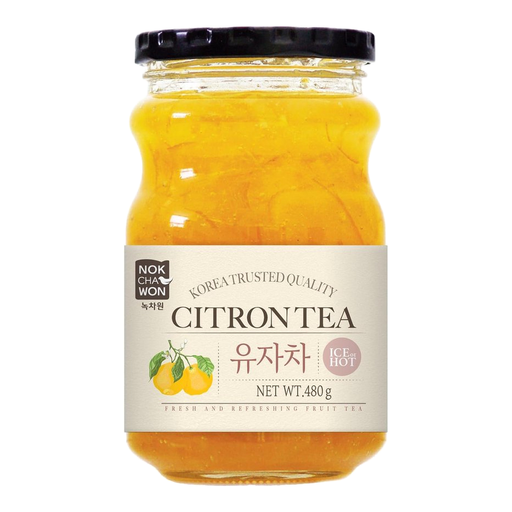
Why it suits this profile: The jar format is ideal for households that want to prepare several cups of Korean tea, hot or cold.
The product information lists 55 g of sugar per 100 g. This makes it clear that it is not an unsweetened tea.
480 g quantity, suitable for hot and cold preparation and, according to the product information, free from the 14 main EU allergens.

Why it suits this profile: A tray of 12 cans is practical for families, sharing or anyone who regularly wants to serve a tropical fruit drink.
The packaging states 30% mango juice, no added sugar and 17 kcal per 100 ml. However, always check the current ingredients on the can.
12 × 330 ml, 30% mango juice and a low stated energy value per 100 ml.
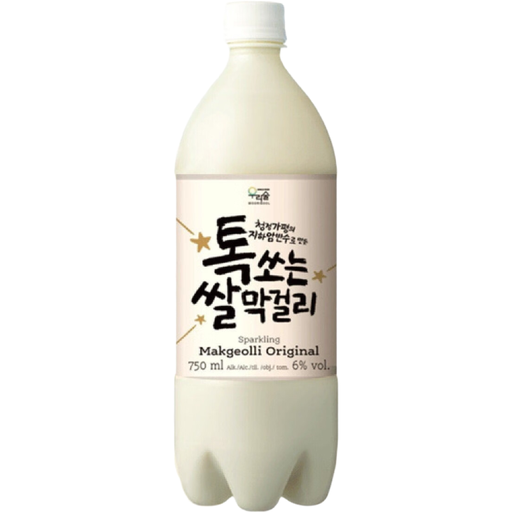
Why it suits this profile: Ideal for anyone who wants to try a traditional rice wine with a lower alcohol content than soju.
The 6% alcohol content and allergen information are clearly shown in the product details. The product contains, among other ingredients, barley and wheat flour.
6% alcohol, rice as the base and a lightly sparkling character according to the product description.
We have put together a complete, up-to-date list of products that fully meet these strict selection criteria and the applicable European safety regulations.
First check the drink type, quantity and number of items. Then compare sugar and energy per 100 ml, the juice content and the ingredients. With alcoholic drinks, also check the alcohol content and allergens. Always read the physical label on arrival; packaging and recipes may change.
Look for products with 0 g or less than 0.1 g of sugar per 100 ml, but check the sweeteners as well. Pepsi Zero Sugar Peach lists 0 g of sugar per 100 ml. Wicky Mango lists less than 0.1 g of sugar per 100 ml. Iam Superjuice Mango, Passionfruit and Pink Guava state that they contain no added sugar and provide 17, 17 and 16 kcal per 100 ml respectively.
Store unopened products in a cool, dry place away from direct sunlight, as stated on the label. Once opened, keep drinks refrigerated in most cases and consume them within the period shown on the packaging. Close jars, bottles and pouches securely. With makgeolli, it is particularly important to pay attention to the seal and temperature; follow the manufacturer's specific instructions.
