
Vandaag of morgen in huis

Kwaliteit gegarandeerd

Welkomstaanbiedingen ontgrendelen: GRATIS bezorging | Tot 80% korting | Gratis 30 dagen JoyPlus-proefperiode
Download de app
Korean drinks are becoming easier to find online in the UK. From Korean soft drinks and milk drinks to iced tea, coffee and fruity pouch drinks, the range is extensive. That’s precisely why it’s not always clear which drink suits your taste, diet or the occasion you have in mind.
A striking package doesn’t tell you much about what’s inside. So pay close attention to the ingredients list, nutritional values, pack size and storage instructions. That way, you can avoid a drink turning out differently from what you expected.
A Korean fruit drink with no added sugar can still contain natural sugars from fruit. For example, Taksi Tropical Fruit Drink states “no added sugar”, but according to the product information it contains 2.4 grams of sugar per 100 ml. The drink is also sweetened with sucralose.
Always check the difference between:
A pouch or can of 230 to 330 ml may seem modest, but the total carbohydrate content can add up. For instance, Jardin Muscat Ade contains 36 grams of sugar per 230 ml pouch according to the product data provided. A peach iced tea of 230 ml lists 24 grams of sugar per pouch.
So don’t just compare per 100 ml. Also work out how much you’re consuming in one can, bottle or pouch.
Korean milk drinks often combine a creamy flavour with carbonation or fruit flavouring. LOTTE Milkis Melon contains sugar, milk powder and soy polysaccharides, among other ingredients. Taksi contains 40% liquid milk components and fruit concentrate.
If you avoid milk or soya, you need to read the allergen information particularly carefully. Product data online can change, so always check the physical packaging before you drink.
Look at the first ingredients on the list. Water, sugar, fruit juice, milk components and sweeteners quickly give you an idea of the type of drink. Also watch out for allergens such as milk and soya. A product may be listed online as free from the 14 main EU allergens, while another product listing may indicate milk. If the information is contradictory, the label on the packaging takes priority.
European nutritional information is usually based on 100 ml. That makes comparison easier, but it doesn’t directly tell you how much you’re drinking per serving. When comparing, make a note of:
For a sugar-free option, Pepsi Zero Sugar Peach lists 0 kcal and 0 grams of sugar per 100 ml. That doesn’t automatically mean the taste or composition is the same as regular cola: the drink contains aspartame, acesulfame-K and sucralose, among other ingredients.
Pouches of 190 to 230 ml are handy for drinking on the go, while cans and multi-packs can be more practical if you want to stock up. Pay attention to the storage instructions. Many Korean drinks need to be refrigerated after opening and consumed within the stated period.
For everyday use, a multi-pack can be better value, but only if you already know you like the flavour. When trying a new taste, a single pack is a sensible way to avoid unnecessary stock.
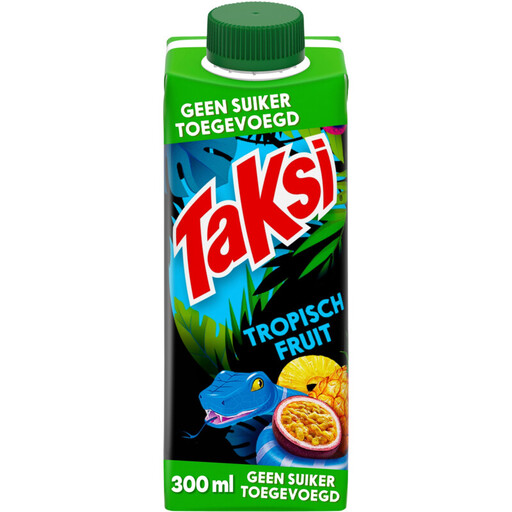
Why this fits the profile: The compact bottle is ideal for trying out a tropical fruit drink with pineapple, passion fruit and apple flavours first.
The product information states 11 kcal per 100 ml and no added sugar. Do check the natural sugars and milk components present.
300 ml pack, fruit and dairy combination, 17 mg vitamin C per 100 ml according to the product data.
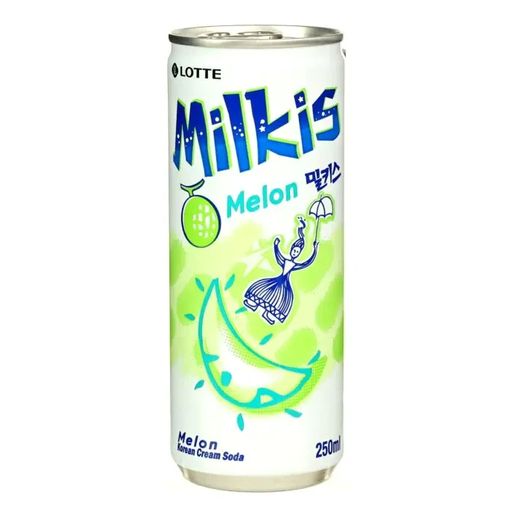
Why this fits the profile: For anyone looking for a distinctive Korean milk drink with carbonation, melon flavour and a creamy impression.
The product information clearly states 12 grams of sugar per 100 ml. This allows you to compare the sweetness with other Asian drinks in advance.
250 ml can, melon aroma, carbonation and milk powder; contains milk and soya.

Why this fits the profile: A tray of 12 cans suits households, offices or enthusiasts who want to serve tropical fruit drinks regularly.
The packaging states 30% mango juice, no added sugar and 17 kcal per 100 ml. Check the sweetener used and serving size on the label.
12 cans of 330 ml, 30% mango juice and suitable for drinking chilled.
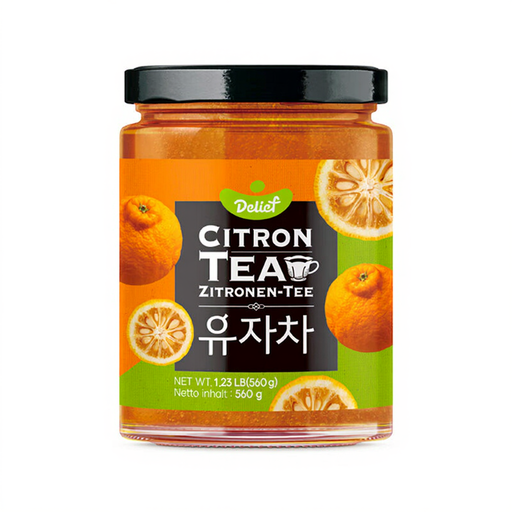
Why this fits the profile: The concentrate is suitable for hot or cold preparation and offers multiple drinking occasions from one jar.
You decide the amount of concentrate yourself and mix it with hot or cold water. Do check the sugar and calorie information per serving.
560 grams of content, candied pomelo according to the product description and suitable for hot or cold drinks.
We’ve put together a full, up-to-date list of products that fully meet these strict selection criteria and comply with current European safety regulations.
Look at the sugar content per 100 ml and per pack. Pepsi Zero Sugar Peach lists 0 grams of sugar per 100 ml. Taksi and Iam Superjuice state no added sugar, but according to the product data they do contain carbohydrates or natural sugars. Also check which sweeteners have been used.
For many ready-to-drink drinks, yes. The product information advises storing opened packs in the fridge and consuming them within the stated period. Store unopened products according to the label, usually in a cool, dry place away from direct sunlight.
Korean tea such as citron, ginger or jujube tea is often sold as a concentrate and mixed with hot or cold water. Korean iced tea is usually already prepared and ready to drink, often in a pouch or can. With tea concentrates, it’s important to check the recommended mixing ratio and nutritional values per serving.
