
Vandaag of morgen in huis

Kwaliteit gegarandeerd

Welkomstaanbiedingen ontgrendelen: GRATIS bezorging | Tot 80% korting | Gratis 30 dagen JoyPlus-proefperiode
Download de app
Korean drinks come in far more varieties than just soft drinks. Examples include fruity ade, Korean tea, pouch drinks, iced coffee, rice wine and Korean soju. This wide range is appealing, but it makes comparing them more difficult. An eye-catching packet tells you little about the taste, sugar content, alcohol percentage or portion size.
When buying Korean drinks online, you mainly encounter three common pitfalls:
Compare the nutritional values per 100 ml rather than per bottle or can. A 190 ml serving might, for example, contain 22 grams of sugar, whereas another drink might list little sugar per 100 ml but be sweetened with sweeteners.
With a Korean fruit drink or Korean fruit juice, look out for:
According to the product information, Caffe Bene Honey Grapefruit Ade contains, among other things, 0.28% grapefruit juice concentrate and 9.5 grams of sugar per 100 ml. This makes the drink particularly suitable for anyone looking for a sweet grapefruit flavour, not for someone expecting a drink with a high fruit content.
A Korean pouch drink of 190 or 230 ml is handy for lunch, on the go or a picnic. Pouches take up little space and are usually intended to be drunk chilled. For home use or catering, a multipack of 10 or 24 pieces might be more appealing.
Check beforehand:
A bottle or jar of concentrate, such as Korean citron tea, works differently from a ready-to-drink beverage. You make it up with hot or cold water, meaning one packet can provide several drinking occasions. Also look at the sugar content per 100 grams of concentrate.
With Korean alcoholic drinks, the alcohol percentage is an important point of comparison. Makgeolli is a lightly sparkling rice wine; WOORISOOL's Rice Wine Makgeolli states 6% alcohol. Chamisul Grapefruit Soju states 13% alcohol per 360 ml bottle. These are different types of drink with different tastes and uses.
Always check:
According to the product information, makgeolli may contain grains with gluten, including wheat and barley. Milkis Melon lists milk and soya as allergens. So read the label, especially if you have a food allergy. Alcoholic drinks should be consumed responsibly; the minimum age for sale and consumption in the UK is 18.
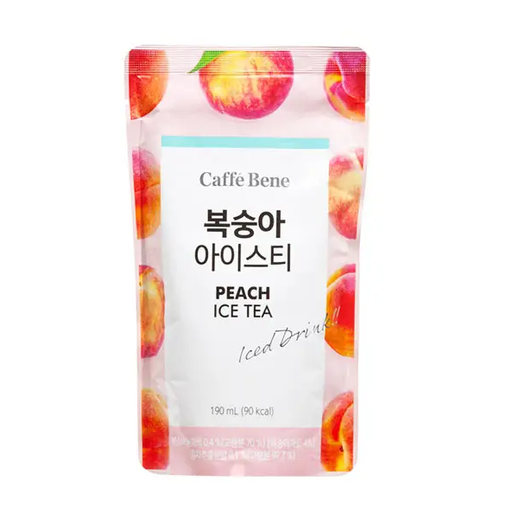
Why this fits the profile: The 190 ml portion is easy to manage and the pouch is simple to take along chilled. The peach flavour appeals to fans of sweet, non-carbonated drinks.
The volume and packaging are clearly stated. Do check the current ingredients list and nutritional information on the packet before purchase.
190 ml per pouch; ready to drink; non-carbonated; suitable for drinking chilled.
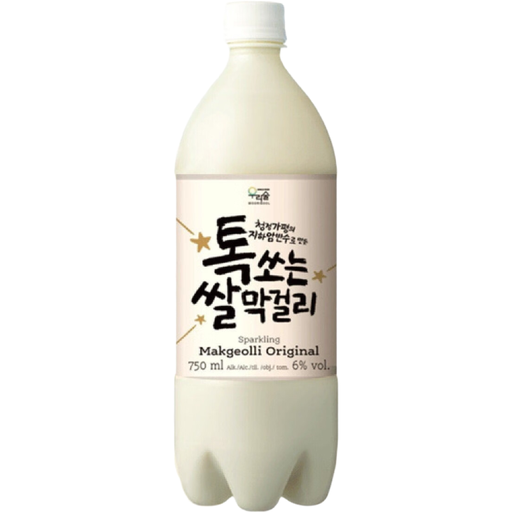
Why this fits the profile: This Korean makgeolli is a fermented rice drink with, according to the product description, a lightly sweet, fresh and gently sparkling taste.
The alcohol percentage of 6% and the ingredients including rice, barley and wheat flour are clearly stated. Check gluten information before purchase.
6% alcohol; fermented rice base; lightly sparkling; from South Korea.
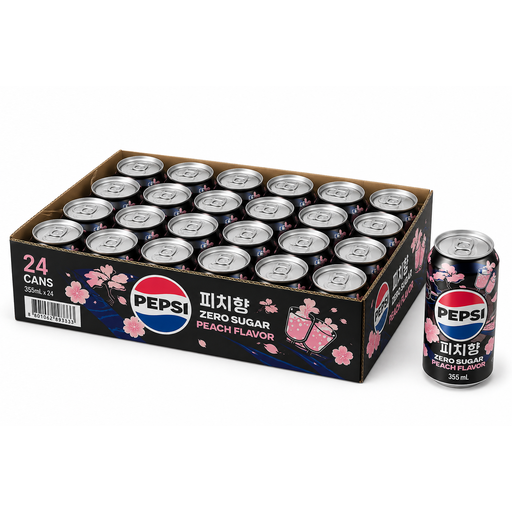
Why this fits the profile: The multipack of 24 cans suits households, events or catering businesses that regularly want to offer a chilled Korean soft drink.
The product information states 0 grams of sugar and 0 kcal per 100 ml. The ingredients do list sweeteners, including aspartame; check this if you have specific preferences.
355 ml per can; 24 pieces; carbonated; peach flavour; sugar-free according to the stated nutritional values.
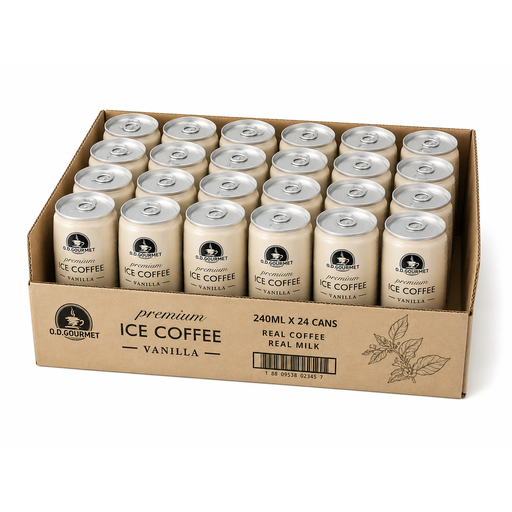
Why this fits the profile: The ready-to-drink coffee in 240 ml packets is practical for stocking up at home, in the office or in a catering fridge.
The caffeine content is stated as 42 mg per 100 ml. This means you can gauge the amount more accurately than with coffee products that lack clear caffeine information.
24 packets; 240 ml each; vanilla iced coffee; 42 mg caffeine per 100 ml according to the product information.
We've put together a full, up-to-date list of products that fully meet these strict selection criteria and comply with current European safety regulations.
Popular choices include Korean soft drinks, fruity ade, pouch drinks, Milkis, Korean tea and Korean coffee. For a carbonated option, you could look at Milkis Melon. If you prefer to make a hot drink, you can choose a citron tea, ginger tea or jujube tea concentrate.
Makgeolli is a fermented rice wine with a cloudy, soft texture and often a lightly sparkling quality. Soju is a clear distilled drink. In the range mentioned, the makgeolli states 6% alcohol and Chamisul Grapefruit Soju states 13%. Always check the current label and drink responsibly.
Store unopened products according to the label, usually in a cool place out of direct sunlight. After opening, many drinks need to be refrigerated and used within the stated period. This applies particularly to pouches, coffee and fruit drinks. With makgeolli, it's advisable to avoid temperature fluctuations and to seal the bottle well.
