
Vandaag of morgen in huis

Kwaliteit gegarandeerd

Welkomstaanbiedingen ontgrendelen: GRATIS bezorging | Tot 80% korting | Gratis 30 dagen JoyPlus-proefperiode
Download de app
Looking to buy a Korean drink, but find the online selection overwhelming? You're faced with bottles with unfamiliar labels, varying alcohol percentages, and flavours you've never heard of. The fear of choosing a bottle that's too strong, too bitter, or simply not to your taste is real. A bad purchase isn't just a waste of money; it can also negatively impact your first experience with these beverages.
This article serves as your practical guide. We'll highlight the key characteristics of popular Asian alcoholic beverages and provide specific product recommendations based on their specifications. This will help you make an informed choice that matches your preferences.
Before we dive into the products, it's helpful to understand a few basic criteria. These parameters will help you better interpret labels and descriptions.
Although often mentioned in the same breath, these are fundamentally different beverages.
The alcohol percentage is a clear indicator of the strength and drinking experience.
The flavour is determined by the ingredients and production method. Look for descriptions like:
Based on the criteria above, we've curated a selection of three different beverages that offer an excellent starting point for anyone looking to explore the world of Asian drinks.
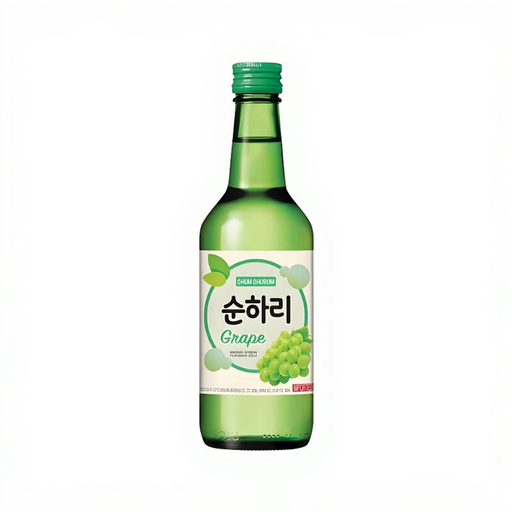
Why we chose it: This green grape soju is one of the most popular fruit soju varieties. It combines the smoothness of soju with a distinct, sweet green grape flavour. Its 12% ABV makes it approachable, without being too light.
Benefits:
Who it's for: For those looking for an approachable and popular fruit soju for social gatherings. It's a reliable choice for parties or as an accompaniment to a meal.
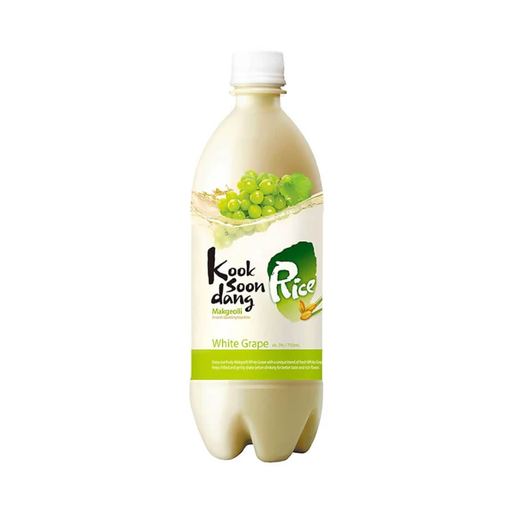
Why we chose it: If you're looking for an authentic Korean rice wine with a modern twist, this KSD makgeolli is an intriguing option. It combines the traditional creamy, tangy flavour of makgeolli with the sweetness of green grape. Its very low alcohol content makes it an exceptionally mild drink.
Benefits:
Who it's for: For the adventurous drinker who wants to try something different from soju. Ideal for those seeking a light, refreshing, and slightly sweet drink to pair with (spicy) Asian dishes. A great choice if you're considering buying makgeolli.
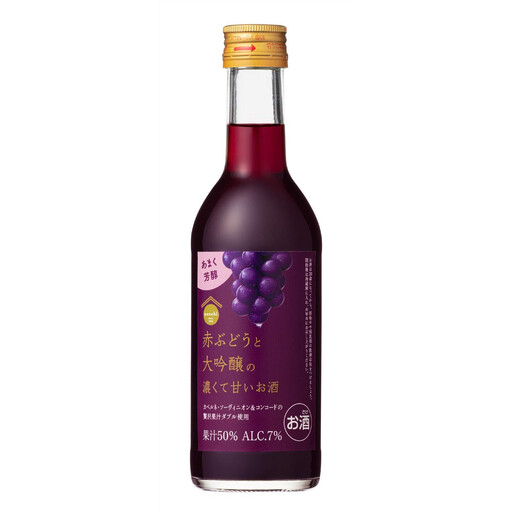
Why we chose it: This is a Japanese beverage that combines the refinement of premium Daiginjo sake with the sweetness of red grape juice. The result is an elegant, fruity drink with a subtle sake undertone. This Nenohi sake is a prime example of a modern, sweet sake.
Benefits:
Who it's for: For those looking for a lighter, more refined, and sweet alcoholic beverage. It's an excellent choice for a quiet evening or for drinkers who want to discover the complexity of sake in an approachable way.
This selection focuses on grape-flavoured beverages, but the range of Asian drinks is much broader. Are you looking for other fruit flavours like peach, strawberry, grapefruit, or lychee? Or do you want to discover the pure, traditional varieties? Then explore our full assortment.
Discover all our fruit and grape beverages
The main difference lies in the production process. Soju is a distilled spirit, similar to vodka, which results in a higher alcohol content and a more neutral base flavour. Sake is brewed from rice, similar to beer. This process yields a lower alcohol content and a more complex, often subtler flavour profile.
Soju is traditionally served cold and neat in small glasses. It is customary to drink it during a meal, shared among friends. The custom is to pour for others and not for yourself. Fruit soju can also be mixed into cocktails.
Yes, makgeolli generally has a slightly sweet taste from the rice fermentation. This is balanced by a mild, lactic tang and a creamy texture. Fruit-flavoured varieties, like the KSD makgeolli with green grape, are typically sweeter.
