
Vandaag of morgen in huis

Kwaliteit gegarandeerd

Welkomstaanbiedingen ontgrendelen: GRATIS bezorging | Tot 80% korting | Gratis 30 dagen JoyPlus-proefperiode
Download de app
A Korean cleanser may seem easy to choose at first glance. However, a Korean cleanser, Korean face wash and gel cleanser can differ significantly in texture, cleansing power and ingredients. Choosing the wrong one can leave your skin feeling tight, greasy or unnecessarily irritated.
So don’t focus only on terms such as “hydrating”, “pore cleansing” or “mild”. Pay particular attention to the formula, instructions for use, size and suitability for your skin type.
A foaming facial cleanser can feel pleasant to use, but lots of foam alone says nothing about how gentle a product is. Its effect depends on the surfactants used, the overall formula and how long you leave the product on your skin.
Do you have dry or sensitive skin? If so, opt for a mild facial cleanser and massage briefly with lukewarm water. A strongly degreased feeling after washing does not automatically mean your skin has been cleansed more thoroughly.
Words such as “anti-acne”, “refines pores” or “restores balance” do not guarantee the same results for every user. Certain ingredients may be mentioned for these purposes in a brand’s own research or in the product description, but individual experiences vary.
A cleanser is also rinsed off quickly. So don’t expect a treatment effect from a wash-off product. If skin concerns persist, advice from a GP or dermatologist is more sensible than continually switching cleansers.
A cleanser with salicylic acid, AHA, BHA, PHA or enzymes may be appealing for oily or combination skin. If you also use an exfoliant, retinol or other active products, your overall routine may become too intensive.
Check the ingredients list and introduce products gradually. Stop if you experience redness, burning or itching. A patch test in accordance with the instructions on the packaging is advisable, particularly if you have sensitive skin.
The right texture depends on your routine:
With double cleansing, you use a cleansing oil first, followed by a water-based cleanser. This can be useful when wearing make-up or water-resistant sun cream, but it isn’t necessary for everyone every evening.
A low pH cleanser is formulated to be more acidic. According to the product description, the Low pH Good Morning Gel Cleanser is offered as a low pH formula and contains glycerine, tea tree oil and plant extracts, among other ingredients. The experience can vary from person to person, particularly if you have sensitive skin.
A low pH is not a standalone mark of quality. Also look out for fragrances, essential oils, exfoliating acids and how you use the product. Rinse thoroughly with lukewarm water and don’t rub your skin vigorously.
Compare the full ingredients list on the packaging with the online product information. Formulas can change. Pay attention to the following, among other things:
A product containing salicylic acid is not automatically suitable for every acne-prone skin type. The Salicylic Acid Daily Gentle Cleanser states that it contains 0.5% salicylic acid and tea tree oil, as well as potential allergens such as salicylic acid, tea tree oil and citrus peel oil. Always read the warnings carefully.
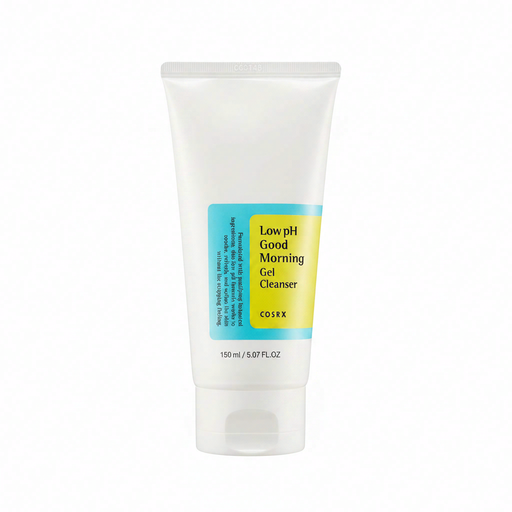
Why it suits this profile: The compact 50 ml size is practical for trying a gel cleanser first or taking it with you when travelling. According to the product description, the gel transforms into a soft foamy texture and the formula contains glycerine.
The product information does not promise a fixed outcome for every skin type. The small pack limits your purchase if the texture or tea tree oil does not suit you.
Gel texture, low pH positioning according to the product description, and a 50 ml size.

Why it suits this profile: This Korean facial cleanser has a gel texture and lists plum water, mung bean extract and glycerine among its ingredients. The 100 ml size suits a daily routine without requiring you to commit to a large pack straight away.
The ingredients are clearly specified, allowing you to compare the claims with the ingredients list. Check the current packaging when purchasing.
Lightweight gel, 100 ml, with glycerine and several plant extracts according to the product information.
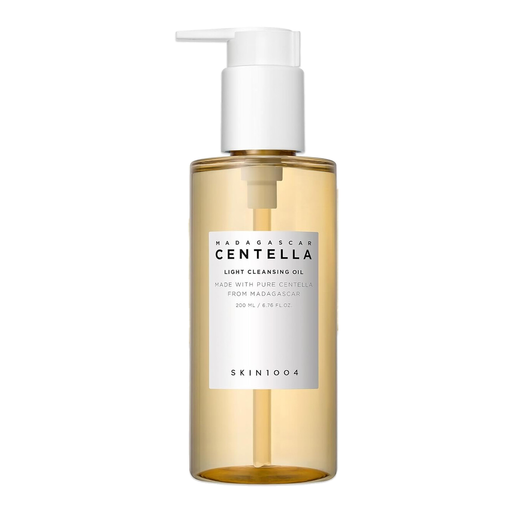
Why it suits this profile: If you use make-up, sun cream and oily residue-removing products, you may wish to consider this cleansing oil as the first step in a double cleanse. According to the product description, the oil contains six plant oils and centella extract.
The instructions are clear: apply to dry skin with dry hands, then rinse with lukewarm water. This prevents the oil from being diluted immediately on a wet face.
200 ml size, lightweight oily texture and designed to remove make-up and residue.
We’ve put together a complete, up-to-date list of products that fully meet these strict selection criteria and the applicable European safety regulations.
A cleanser for oily and acne-prone skin doesn’t need to be harsh. Oily skin may also benefit from a gentle formula. For dry skin, a hydrating facial cleanser with humectant ingredients is often a more sensible choice than a strongly foaming option.
For most routines, cleansing once in the evening is enough to remove dirt, sebum and product residue. In the morning, you can use a mild cleanser if that feels comfortable; for some dry skin types, rinsing with water may also be sufficient. Always follow the product instructions.
That depends on the formula. Check for perfume, essential oils, acids and any other ingredients you may be sensitive to. “Hypoallergenic” or “dermatologically tested” is product information provided by the brand and does not constitute a personal guarantee. Test a new product on a small area of skin first.
This varies according to the size, amount used each time and frequency of use. A 50 ml pack is suitable for trying a product, while 150 or 200 ml will generally last longer. As well as checking the expiry date, look for the symbol indicating the period after opening on the packaging.
