
Vandaag of morgen in huis

Kwaliteit gegarandeerd

Welkomstaanbiedingen ontgrendelen: GRATIS bezorging | Tot 80% korting | Gratis 30 dagen JoyPlus-proefperiode
Download de app
A good Korean chicken sauce can transform a simple meal into Korean fried chicken, a spicy noodle bowl or a quick rice dish. Yet many bottles look alike. Words like “authentic”, “hot” and “sticky” don’t always tell you how the sauce tastes or what you can practically use it for.
So pay close attention to the ingredients, nutritional values, allergens and usage instructions. That way, you’ll avoid buying a sauce that’s too sweet, lacks enough heat, or doesn’t fit your cooking plan.
A Korean sweet and spicy sauce often contains sugar, glucose syrup or honey alongside chilli. However, the amount of red pepper or gochujang doesn’t just determine the flavour – it also determines the perceived heat. A sauce for Korean fried chicken can therefore be more sweet and syrupy than sharply spicy.
If you’re after heat, look for a Buldak sauce or hot chicken sauce. If you want a glaze for crispy chicken, a sweeter, thicker sauce is often a better fit.
Packaging often features terms like Korean style, sticky chicken and Korean BBQ. These descriptions give you a general idea, but they don’t represent a uniform quality or composition standard. For example, a Go-Tan Sticky Chicken Spicy & Sweet Sauce is intended for marinating and tumbling, whereas other sauces are designed for noodles, dips or Korean fried chicken.
So compare the actual use and the ingredients rather than just the front of the bottle.
Many varieties contain soya and wheat, for instance through soy sauce. Some products also mention sesame, milk, egg, celery or nuts. Always check the current label, especially if you have an allergy or intolerance.
Salt and sugar content also varies. Sempio Korean Fried Chicken Sauce, for example, lists 29 grams of sugar and 3.1 grams of salt per 100 grams. Samyang Buldak Sauce lists 2,300 mg of sodium per 100 grams, which corresponds to a high salt content. So use the sauce as a flavour enhancer and watch your portion size.
Not every chicken sauce works the same way in the pan. A thick sticky chicken sauce clings better to fried or baked chicken. A thinner sauce is more convenient for mixing through noodles, rice or vegetables.
Look out for these applications:
Follow the preparation instructions on the packaging. With raw chicken, it’s wise not to reuse marinade that has been in contact with the meat as an uncooked dip.
A gochujang sauce typically delivers a fermented, peppery taste with sweetness and umami. A Buldak variety is often more focused on chilli and a pronounced hot-chicken profile. A soy & garlic sauce, on the other hand, places more emphasis on soy, garlic and savouriness.
If you’re sensitive to spicy food, you can start with a sweet & spicy sauce. If you’re used to strong chilli, you can choose a Buldak Original or Spicy Sauce and dose it per serving.
Don’t just compare the price of the bottle – compare the content too. The range includes bottles of 165 ml, 220 ml, 250 ml and 380 grams. A smaller squeezy bottle is practical if you use the sauce occasionally. A larger pack can make more sense for families or heavy use.
Check the storage instructions after opening. Some sauces need to be refrigerated and used within a few weeks. Other Go-Tan products state a limited shelf life at room temperature after opening. Always follow the packaging.
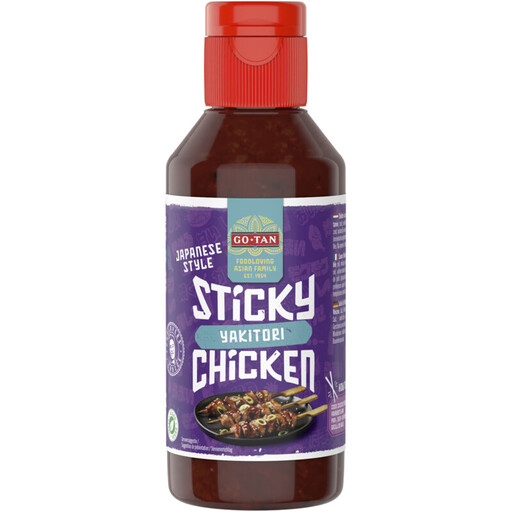
Why this fits the profile: According to the product description, this sauce is suitable for marinating, mixing and serving, both cold and hot. That makes it practical for a first introduction to sweet and spicy chicken.
The application is clearly described, and the nutritional information lists 29 grams of sugar and 3.7 grams of salt per 100 grams.
220 ml content; suitable for oven, air fryer, pan, marinade and table use. Contains soya and wheat.
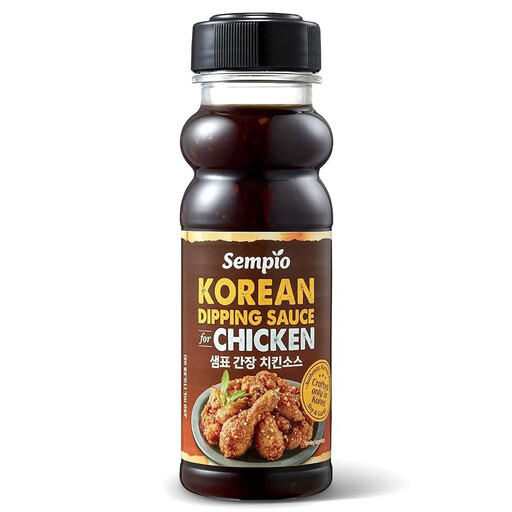
Why this fits the profile: The product description mentions soy sauce, garlic, onion, ginger and red pepper. That suits anyone looking for a savoury sauce for Korean fried chicken and barbecue.
The bottle indicates multiple uses: marinating, glazing and dipping. That means you don’t need to buy a different sauce for each dish.
250 ml; soy sauce, garlic and ginger flavour; suitable for chicken, barbecue and as a dip. Contains wheat and soya.
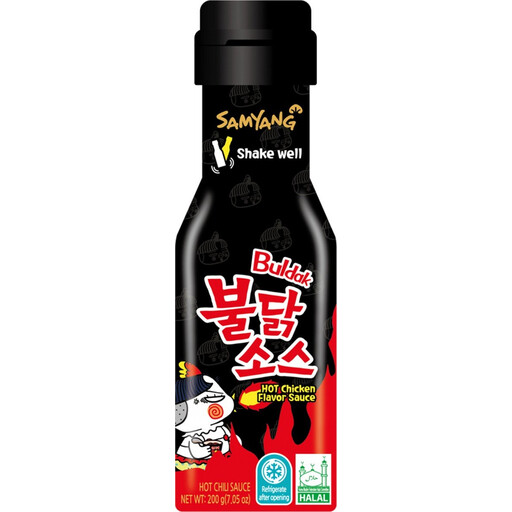
Why this fits the profile: According to the product information, this sauce is intended as a dip, marinade and cooking sauce. The squeezy bottle is handy for measured use with noodles, rice and chicken.
The sauce clearly presents itself as a hot-chicken variety. That means the flavour profile is less surprising for fans of strong chilli.
165 ml squeezy bottle; can be used as a dip, marinade or cooking sauce. Contains soya and wheat; the product information lists 18 grams of sugar and 2,300 mg of sodium per 100 grams.
We’ve put together a full, up-to-date list of products that fully meet these strict selection criteria and comply with current European safety regulations.
That depends on your preference. For a sweet coating, you can use a sweet & spicy or sticky chicken sauce. A soy & garlic variety works when you want more savouriness and garlic. Always check whether the sauce is intended for glazing or coating.
Yes, several products in this range are described as suitable for use as a marinade. Marinate the chicken according to the instructions on the label and cook the meat thoroughly. Do not use leftover marinade directly as a cold dip.
That varies by brand and product. Store the bottle according to the label, seal it tightly and pay attention to the recommended period after opening. If you’re unsure about the smell, colour, texture or shelf life, it’s best not to use the sauce any more.
