
Vandaag of morgen in huis

Kwaliteit gegarandeerd

Welkomstaanbiedingen ontgrendelen: GRATIS bezorging | Tot 80% korting | Gratis 30 dagen JoyPlus-proefperiode
Download de app
Korean Buldak noodles are a firm favourite among fans of bold flavours, students, and anyone who wants a quick, warming meal. Yet many packets look very similar. The difference isn't just in the colour or the fiery appearance – it's also in portion size, preparation method, flavour profile and allergens.
As Joybuy's Product Recommendation Officer, I've filtered the key product information so you can separate marketing speak from verifiable details. Below, you'll find what to look out for before ordering Samyang Buldak ramen, other Korean spicy instant noodles, or a matching sauce.
A packet with a flame symbol or the word "hot" doesn't tell you exactly what the noodles taste like. Some varieties combine chilli with chicken flavour, while others add cheese, cream or a sweet-spicy sauce. If you only focus on the heat level, you could end up with a product whose flavour doesn't suit you.
So check whether it's:
A bag with five portions and a box with ten or forty packets may look appealing, but they're really only handy if you already know you like the flavour. For a first order, a smaller pack is often more practical. Also pay attention to the net weight per portion. An 80g cup is not the same as a 130g or 140g bag.
Many Korean instant ramen products contain wheat or gluten, soya and milk. This is especially true for creamy and cheese varieties. Always check the label on the packet you receive, as ingredients and packaging information can change.
The salt content also varies from product to product. For example, the product information for Samyang Hot Chicken Flavour Rose Ramen states 3.2g of salt per 100g. For Samyang Hot Chicken Ramen Carbonara, it's 2.6g per 100g. Use these values as a comparison, not as a general rule for all Samyang noodles.
Choose a product that suits your kitchen and the time you have available. Sachets usually require a pan and draining the water. With some varieties, a small amount of cooking water is left behind to mix the sauce. The Paldo Volcano Chicken Noodle, for example, requires boiling, rinsing in cold water, and then mixing with the sauce.
Cup ramen is easier in the office, in a student room, or on the go. With the Samyang Hot Chicken Cup Ramen Carbonara, you simply add hot water and follow the instructions on the cup. Always check whether the packaging is suitable for a microwave.
The term hot chicken noodles often refers to a spicy chicken style, but the overall flavour can vary significantly. Look out for ingredients such as:
If you find spicy Korean sauces too intense, you can start with a creamy variety or use only part of the sauce sachet. A separate bottle of Samyang Buldak Spicy Sauce gives you more control over the amount and can also be used with rice, stir-fries or homemade rabokki.
Store dry Korean instant ramen in a cool, dry place, away from direct sunlight, heat and moisture. Do not use a packet if it is damaged. For products with a short shelf life, pay extra attention to the date on the label. The product information for Samyang 4 Flavours Cheese Fire Chicken Noodle, for instance, notes that this product may have a short best-before period.
Frozen products, such as Korean fried chicken, require a different approach. Keep them frozen until you're ready to cook and follow the temperature and storage instructions on the packaging. They don't belong with your dry store of Korean spicy noodles.
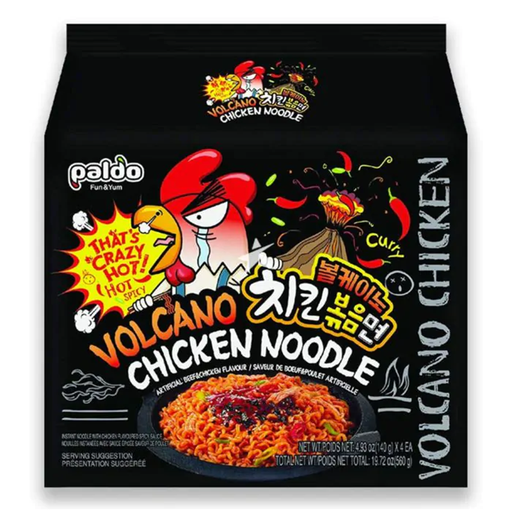
Why it fits this profile: A four-pack gives beginners several portions without having to order a large box straight away. The preparation method is clearly described, and the noodles are rinsed in cold water after cooking.
The four-pack limits the risk of being stuck with a large bulk pack if the sweet-spicy flavour isn't for you.
Four 140g bags; sweet-spicy seasoning; clear cooking and rinsing instructions.
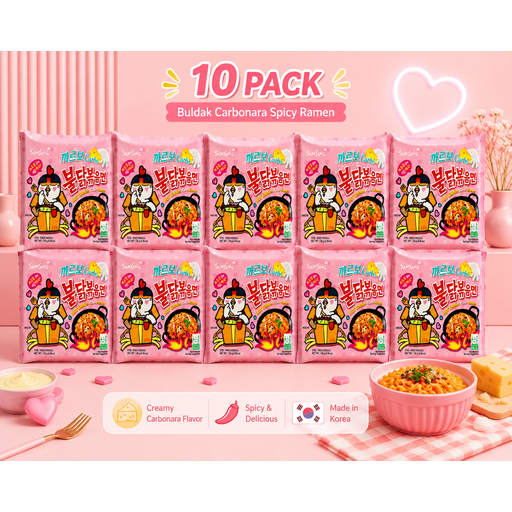
Why it fits this profile: This pack combines hearty noodles with a spicy sauce and carbonara powder. The ten-pack is ideal for fans who want to enjoy this flavour more often.
The product information lists the portion size, ingredients and allergens, so you're not relying solely on the fiery packaging.
Ten 130g portions; carbonara powder; preparation instructions with approximately 120ml of reserved cooking water.
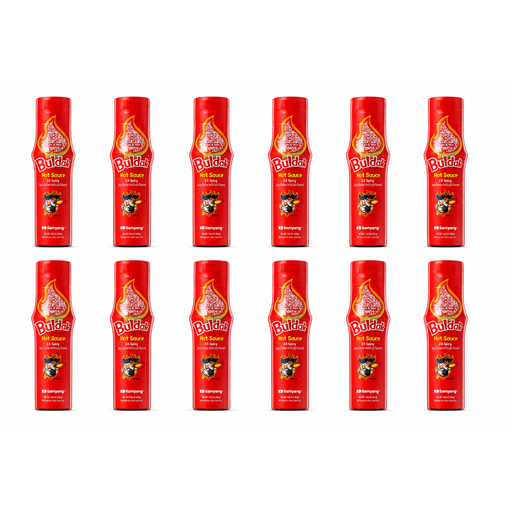
Why it fits this profile: A bottle of sauce is ideal for users who want to control the amount themselves and use the Buldak flavour with rice, chicken or stir-fries too.
You're not tied to one fixed amount of sauce per noodle sachet. The ingredients and allergens are listed, including soya, wheat and celery.
Box of twelve 165ml bottles; can be used as a sauce, marinade or addition to noodles.
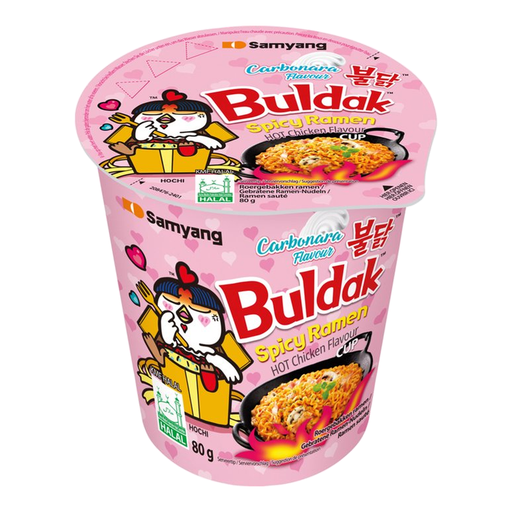
Why it fits this profile: The cup format is handy when you don't want to use a pan, colander or extra bowl. Just add hot water and follow the instructions on the packaging.
The 80g portion and cup format make the choice clearer than a large multipack.
80g cup; carbonara flavour; according to the product information, contains wheat, milk and soya.
We've put together a full, up-to-date list of products that fully meet these strict selection criteria and comply with current European safety regulations.
It varies by packet. Sachets are usually boiled for a few minutes, after which you drain most of the water and add the sauce. With Paldo Volcano Chicken Noodle, the noodles are also rinsed in cold water after boiling. A cup variety is typically prepared with hot water. Always follow the instructions on the label.
The heat level varies by variety and personal taste. Creamy carbonara or cheese varieties contain milk or cheese powder alongside the chilli, whereas a pure hot chicken sauce can taste more direct. You could start with part of the sauce sachet and add more later.
Dry noodles remain good until the date on the packaging when stored in a cool, dry place away from direct sunlight. Check the best-before information on arrival and do not use damaged packaging. Once prepared, eat the noodles straight away.
