
Vandaag of morgen in huis

Kwaliteit gegarandeerd

Welkomstaanbiedingen ontgrendelen: GRATIS bezorging | Tot 80% korting | Gratis 30 dagen JoyPlus-proefperiode
Download de app
Dull or tired-looking skin can quickly have you reaching for a mask labelled “brightening”, “glow” or “anti-pigmentation”. But the packaging doesn’t always tell you enough about what you’re buying. Sheet masks, hydrogel face masks and vitamin C masks can differ considerably in how you use them, their ingredients and how long you leave them on.
As a Joybuy Product Recommendation Officer, I start by looking at information you can verify: the number of masks, the ingredients list, how long to leave the mask on and any warnings on the packaging. That way, you’re less likely to pay mainly for marketing claims.
A brightening face mask can temporarily leave your skin looking more hydrated and refreshed. Ingredients such as niacinamide, vitamin C derivatives, arbutin and glutathione are often used to promote a more even-looking complexion. That doesn’t automatically mean a mask treats or permanently removes pigmentation.
If you have pigmentation or an uneven complexion, use a sun protection product during the day and think of a mask as an extra step in your skincare routine. If skin problems persist or change, it’s best to seek advice from a doctor or dermatologist.
Sheet masks are usually worn for 10 to 20 minutes. Some ANUA hydrogel masks, however, are designed to stay on for several hours. This can work well as part of an evening routine, but may be less practical if you want a quick mask before work or bed.
Leaving a mask on for longer doesn’t automatically make it more effective. Always follow the instructions on the packaging. Remove the mask sooner if you notice a burning sensation, itching or redness.
As well as niacinamide, a niacinamide mask may contain fragrance, citrus oil, exfoliating acids or vitamin A-like ingredients. These extra ingredients may be particularly important to consider if you have sensitive skin.
Before buying, check:
Don’t choose a product based on its name alone. Check what the mask is primarily designed to do.
Pay attention to how claims are worded. For example, a brand’s own research may report that users noticed a more even complexion or improved elasticity. Those results won’t necessarily be the same for everyone.
A sheet mask is usually made from cellulose or a similar material soaked in essence. It’s lightweight, quick to apply and often suits a short skincare routine.
A hydrogel face mask usually fits more closely to the skin and feels cooler. Some models change from an opaque to a transparent appearance while you wear them. This is a product feature, not independent proof that the active ingredients work better.
Also check the fit. A mask that doesn’t sit properly around your eyes, nose and mouth may slip more easily or leave areas of your face uncovered.
A pack of 30 daily masks may seem good value per mask, but it does require consistent use and proper storage. Close jars and packs securely to prevent the masks from drying out. Individually wrapped masks are more hygienic to use and easier to take with you.
Never reuse a mask. If you have sensitive skin, first test a small amount on your skin, as directed in the product information. Products containing acids, vitamin C or retinoids may increase sensitivity to sunlight, according to the manufacturer’s warning.
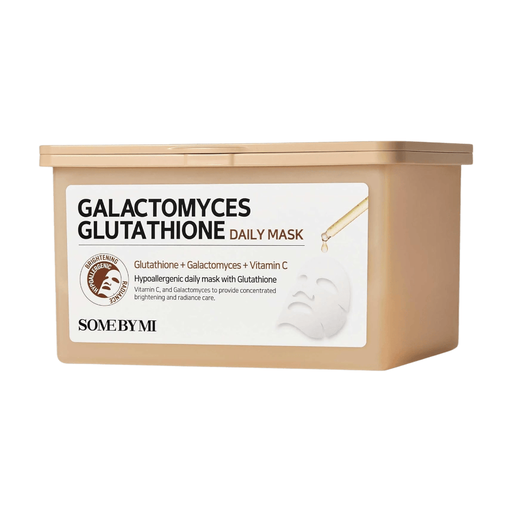
Why it suits this profile: The pack contains 30 sheet masks for a quick daily routine. According to the product information, each mask should be left on for 10–20 minutes.
The ingredients list is clearly displayed and includes niacinamide, hyaluronic acid, vitamin C and fruit extracts. Check for essential oils, and if you have sensitive skin, carry out a patch test first.
30 masks for daily use, with a formula containing glycerine, niacinamide and several forms of hyaluronic acid.
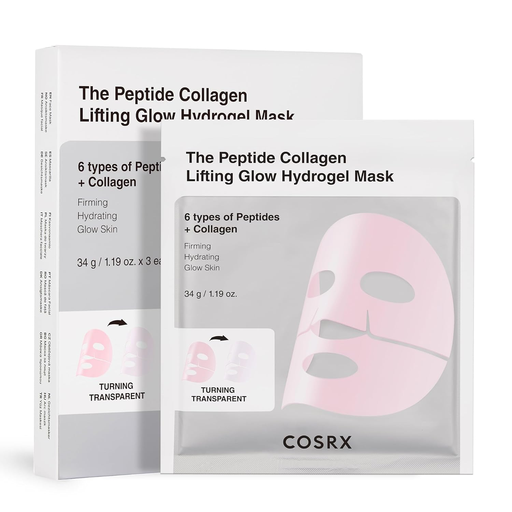
Why it suits this profile: This hydrogel face mask is designed for a longer routine, lasting 2–3 hours or potentially overnight, depending on the product instructions.
The formula lists six peptides, low-molecular-weight collagen, ceramides and several forms of hyaluronic acid. It also includes a patch test warning.
3 hydrogel masks weighing 34 grams each, with peptides, collagen, ceramides and niacinamide to leave skin feeling hydrated and looking smoother.
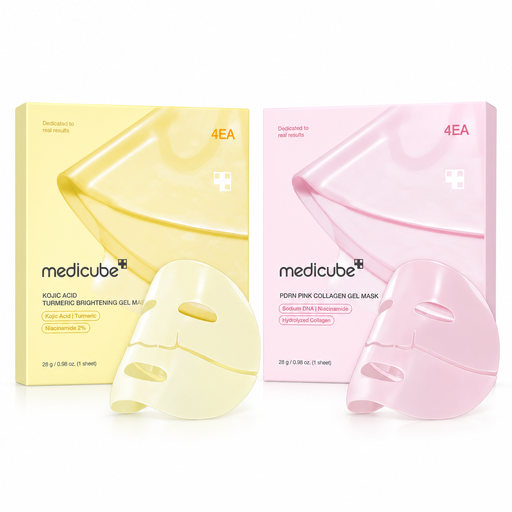
Why it suits this profile: The set combines two types of gel mask: four with kojic acid and turmeric, and four with PDRN and collagen.
You don’t have to use the same formula every day. Choose a mask to suit your skincare goals and check the full ingredients list beforehand, including for fragrance and retinol in the kojic acid version.
8 gel masks in total, with two targeted formulas: one for radiance care and the other for hydration and firmer-looking skin.
We’ve put together a complete, up-to-date list of products that meet these strict selection criteria and the applicable European safety requirements.
It depends on the formula. A simple hydrating sheet mask can be used daily if the product instructions say so. Take extra care with masks containing vitamin C, exfoliating acids, retinoids or essential oils. Follow the packaging instructions and stop using the mask if irritation occurs.
A vitamin C mask can temporarily make skin look brighter and is often used to promote a more even-looking complexion. It isn’t a guaranteed treatment for pigmentation. Sun protection remains important, as UV rays can make pigmentation more noticeable.
A sheet mask suits a quick routine of around 10–20 minutes. A hydrogel face mask is often thicker and can be left on for longer, but you should follow its specific instructions. Choose based on how much time you have, what feels comfortable on your skin and the type of care you’re looking for – not just the word “glow”.
