
Vandaag of morgen in huis

Kwaliteit gegarandeerd

Welkomstaanbiedingen ontgrendelen: GRATIS bezorging | Tot 80% korting | Gratis 30 dagen JoyPlus-proefperiode
Download de app
Standing in the aisle, wondering which jar of Korean bean paste you need for that one recipe? You're not alone. The world of Korean pastes is rich and flavourful, but also confusing. The wrong choice can give your dish a completely different flavour than intended.
Before you put a jar in your basket, it's wise to know the most common pitfalls. Many home cooks make unnecessary mistakes that are easy to avoid.
To choose the right Korean bean paste, it's essential to know the difference between the two most common types: doenjang and ssamjang. They form the backbone of many Korean dishes, but each has its own unique role.
Doenjang is the foundation: a pure, fermented soybean paste. It's the Korean counterpart to what some know as miso, but with a stronger, deeper, and saltier flavour.
Ssamjang is a ready-to-use Korean dipping sauce. The name literally means "wrap paste". It's not a pure paste, but a flavourful blend.
In short: need a base for a stew? Choose doenjang. Looking for a dipping sauce for a barbecue or for wraps? Then you need ssamjang.
Below is a selection of products matched to specific user profiles. This will help you find the paste that suits what you want to cook.
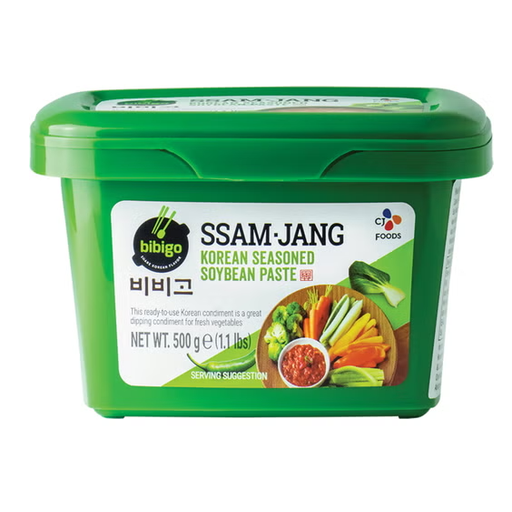
Why This Fits Their Persona: Ideal for those who want to get started with Korean BBQ or ssam right away. This ssamjang from Bibigo is a ready-to-use dipping sauce, so you don't need to mix anything yourself. Perfect for a great night in with grilled meat and fresh lettuce leaves.
This product avoids the 'wrong paste' trap. It is explicitly a ssamjang, the correct choice for wraps and dips, not a pure doenjang.
Ready to use straight away. The flavour is already balanced with garlic, onion, and chilli for a rich, savoury, and slightly spicy taste.
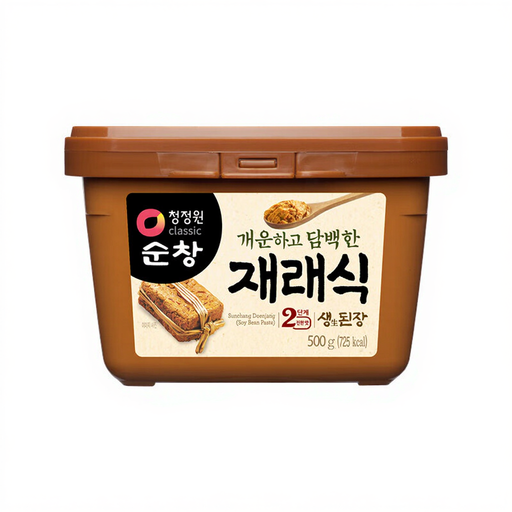
Why This Fits Their Persona: For the home cook who wants to create the deep, savoury umami flavour of a traditional Korean stew (jjigae). This pure Korean soybean paste from Chung Jung One is a pure base for authentic recipes.
This is a pure doenjang, not a mixed sauce. This helps you avoid an overly sweet or seasoned flavour in dishes that require a pure, salty umami base.
Made from traditionally fermented soybeans for a deep, complex flavour. Ideal as a base for soups and stews.
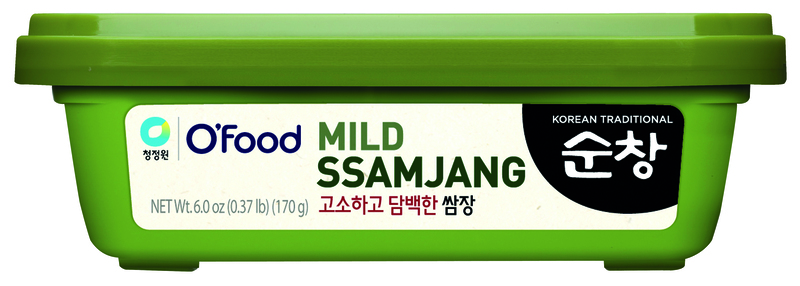
Why This Fits Their Persona: Want to try the taste of Korean bean paste without committing to a large jar? This smaller 170g size is an approachable way to experiment with the flavour of doenjang in your kitchen.
This product avoids the pitfall of buying too large a jar. You can try the flavour first before investing in a larger container.
The compact size (170g) is ideal for occasional use or for experimenting. Its "mid" (mild) flavour is accessible for beginners.
We have compiled a complete, real-time list of products that fully satisfy these strict selection criteria and UK safety regulations.
This is the most important question. Here is a quick summary:
After opening, the pastes should be stored in the refrigerator. Thanks to the high salt content and fermentation process, they have a long shelf life, often a year or more. The colour may darken over time, but this usually does not affect the flavour. Always check the label for specific storage advice.
No. Although both are made from fermented soybeans, there are clear differences. Doenjang is traditionally made only from soybeans and salt, resulting in a stronger, saltier, and more robust flavour. Miso often also contains rice or barley (koji), which typically makes the taste more subtle, sweeter, and less intense. They are not simply interchangeable in recipes.
