
Vandaag of morgen in huis

Kwaliteit gegarandeerd

Welkomstaanbiedingen ontgrendelen: GRATIS bezorging | Tot 80% korting | Gratis 30 dagen JoyPlus-proefperiode
Download de app
A Korean BBQ sauce can add a lot of flavour to a quick meal. Yet many bottles look similar, although they differ considerably in heat, sugar content, salt, texture and use. Are you looking for a Korean BBQ sauce, Korean marinade or bulgogi sauce? Then don’t just rely on words like “authentic” or “Korean style” on the label.
A spicy Korean sauce can contain chilli, chilli paste, pepper extract or just a small amount of red pepper. The intensity is therefore difficult to judge from the product name alone. For example, Ajumma Republic Korean BBQ Sauce Spicy lists chilli sauce, while Delief Korean Sweet & Spicy Sauce for Korean fried chicken contains gochujang and spices.
If you’re using the sauce for children, tofu or vegetables, it’s better to choose a sauce that lets you easily control the amount. For those who enjoy a clear kick, a spicy Korean sauce or a sweet-and-spicy variant is more suitable.
A thin bulgogi sauce is intended to flavour meat or vegetables over a longer period. A thicker Korean fried chicken sauce, on the other hand, is suitable for mixing in after frying or serving as a dip. A product that works well as a sauce for marinating meat doesn’t necessarily have the same texture or flavour as a sauce for grilling.
So check whether the label states that the sauce is suitable for:
Many Korean BBQ sauces contain sugar, syrup and soy sauce. This helps create a sweet, glossy coating, but it can caramelise or burn more quickly during grilling. Therefore, often add a sweet sauce only in the final minutes.
Also pay attention to allergens. The products mentioned contain soya, wheat, gluten and sesame, among others. Some variants may also contain oyster extract or other ingredients of animal origin. Always read the current packaging, especially if you have an allergy or food intolerance.
Bulgogi sauce often contains soy sauce, garlic, onion and fruit purée such as pear or apple. This combination suits beef, chicken, tofu and vegetables. A galbi marinade is typically aimed at beef and can have a sweet-savoury flavour.
For chicken from the oven, pan or air fryer, a sticky sauce is practical. A product like Go-Tan Korean Sticky Chicken BBQ Sauce can, according to the product description, be used hot or cold and is intended for coating, serving and finishing.
A thin marinade penetrates slices of meat or tofu more easily. A thick sauce sticks better to chicken wings, spare ribs or vegetable skewers. So look at the preparation method:
Always follow the packaging for storage time and temperature. After opening, a product often needs to be refrigerated.
Compare the values per 100 grams or 100 millilitres. Bibigo Bulgogi Sauce Hot & Spicy, for example, states 33 grams of sugar and 5.7 grams of salt per 100 grams. Go-Tan Korean Sticky Chicken BBQ Sauce states 39 grams of sugar and 2.9 grams of salt per 100 grams. These figures give a practical picture of the difference between a sweeter glaze and a saltier marinade.
According to the product information for Bibigo, the sauce consists, among other things, of soy sauce, pear purée, garlic, onion and spices. According to the product information for O’Food Korean BBQ Galbi Marinade for Beef, the marinade contains, among other things, pear purée, apple purée, garlic and black pepper. These are verifiable product details; the exact flavour depends on preparation and personal preference.
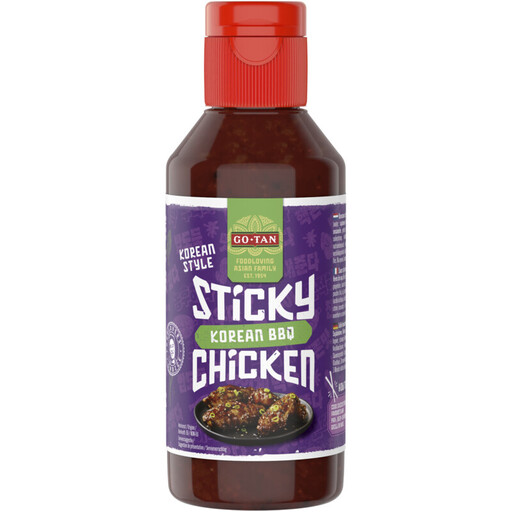
Why this fits the profile: The sauce is ready to use and suitable for oven, pan, air fryer or as a table sauce. This makes it practical for a first Korean meal at home.
The application is clearly described; you don’t need to buy a separate marinade and glaze.
Can be used hot or cold; suitable for coating, dipping and serving.
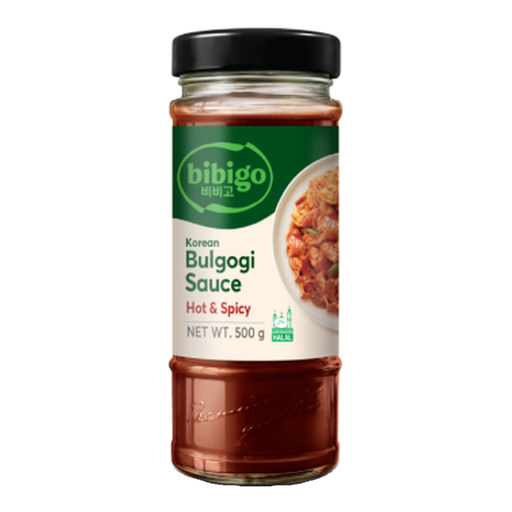
Why this fits the profile: This larger pack suits home cooks who regularly marinate beef, chicken, tofu or vegetables and also make stir-fry dishes.
The product description mentions multiple preparation methods, meaning the sauce isn’t only suitable for barbecue meat.
500 g pack; contains, according to the product information, soy sauce, pear purée, garlic, onion and chilli.
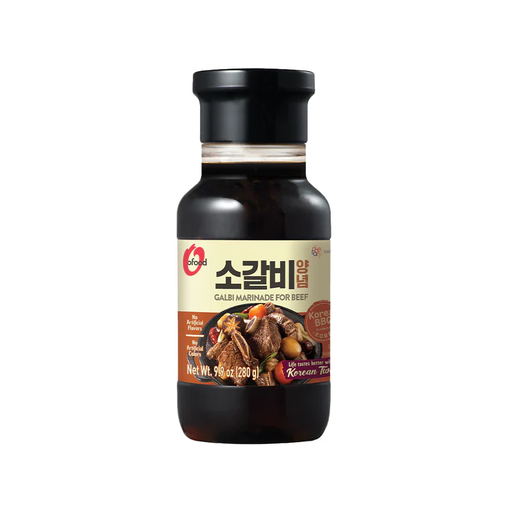
Why this fits the profile: Aimed at beef and therefore handy for galbi, thinly sliced steak or Korean grill dishes.
The application is specifically described, so you don’t buy a general Asian BBQ sauce for a recipe that requires a beef marinade.
280 g pack; contains, according to the ingredients list, soya, wheat, pear, apple, garlic and ginger.
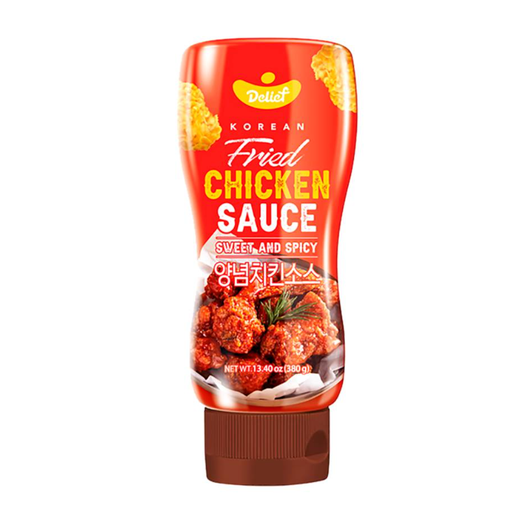
Why this fits the profile: According to the product information, this sauce is developed for coating, dipping and marinating chicken in Korean style.
The intended uses are clearly stated; you know in advance that the thick sauce is meant to coat fried chicken.
380 g pack; contains gochujang, red pepper, garlic and vinegar according to the product information.
We have compiled a full, up-to-date list of products that fully meet these strict selection criteria and the applicable European safety regulations.
Spread the sauce over meat, chicken, tofu or vegetables and leave them covered in the fridge to soak in. The time needed depends on the recipe and the product instructions. Use a separate dish for raw meat and heat any leftover marinade before serving it as a sauce.
A galbi marinade or bulgogi sauce is a logical choice for this. O’Food Korean BBQ Galbi Marinade for Beef and the Chung Jung One Korean Sauce & Marinade for beef are specifically aimed at beef. Do check whether ingredients such as soya, wheat or oyster extract fit within your diet.
Yes. A sweet-savoury Korean BBQ sauce can be used for tofu, mushrooms, peppers, aubergine and vegetable skewers. Brush the ingredients during the final minutes of grilling or baking, so that sugars are less likely to burn.
