
Vandaag of morgen in huis

Kwaliteit gegarandeerd

Welkomstaanbiedingen ontgrendelen: GRATIS bezorging | Tot 80% korting | Gratis 30 dagen JoyPlus-proefperiode
Download de app
Korean alcoholic drinks are popular with people who enjoy fruity flavours, light cocktails and Korean food. But choosing the right bottle online isn’t always straightforward. An eye-catching label tells you little about the alcohol content, ingredients or sugar levels.
This guide helps you compare Korean soju, makgeolli and other Asian alcoholic drinks in practical terms. That way, you can avoid buying something that’s too sweet, too strong or unsuitable for the occasion.
Flavoured soju and fruit soju often taste approachable thanks to fruit flavourings and sweeteners. This can soften the taste of the alcohol, but the alcohol content still matters. Many options in this selection contain 12% or 13% alcohol, while makgeolli is also available at 3%, 5% or 6%.
So always check the alcohol content per bottle. Consider the size, too: a 350 or 360 ml bottle may look small, but at 12% alcohol it still contains a noticeable amount of alcohol.
Words such as “smooth”, “refreshing” or “natural flavour” mainly describe the taste you can expect. They don’t automatically mean a drink is made exclusively with real fruit. Product information may list combinations of fruit wine, fruit juice, flavourings, sugar, glucose syrup and sweeteners.
If you prefer a less sweet drink, check the ingredients list and nutritional information rather than relying on the flavour description alone.
A 750 ml bottle of makgeolli is suitable for a meal or a group, but its flavour can change after opening. What’s more, sparkling or fermented drinks can be trickier to store than an unopened bottle of spirits.
For one person or as a gift, a 200 ml bottle, such as Choya Ume Salute, may be more practical. For a party, several 350 or 360 ml bottles may be a better choice if you want to serve a range of flavours.
Use the alcohol content as your first filter:
Soju is often served chilled. Makgeolli is usually enjoyed cold and gently mixed, as the solids can settle. Always follow the instructions on the packaging.
Choose according to the flavour you’re after:
Bear in mind that fruit soju isn’t necessarily lower in sugar. Nutritional values vary by product. For example, OPPA Soju Yuzu lists 75 kcal and 7,8 grams of sugar per 100 ml, while CHOYA Original Plum Wine lists 163 kcal and 23 grams of sugar per 100 ml.
Check the following for every bottle:
Claims about flavour or how a product works come from the brand’s or seller’s product description. Treat them as an indication of flavour, not a guarantee that it will suit your personal taste.
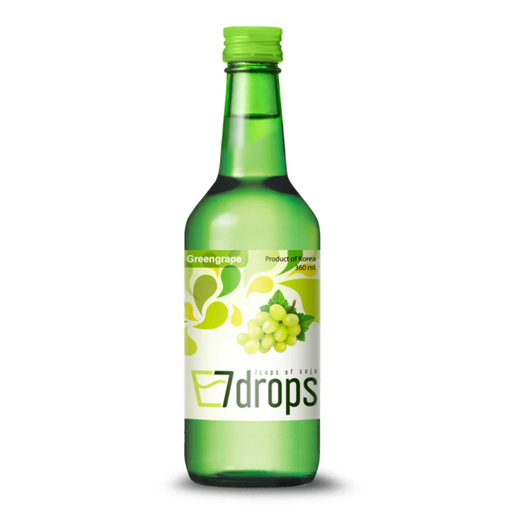
Why it suits this profile: The 360 ml bottle is a manageable size for your first taste of flavoured soju. According to the product information, this variety contains 12% alcohol and has a green grape flavour.
The alcohol content and net volume are clearly stated, making it easier to compare the bottle with other Korean soju.
12% alcohol, 360 ml, green grape flavour and serving advice recommending it chilled.
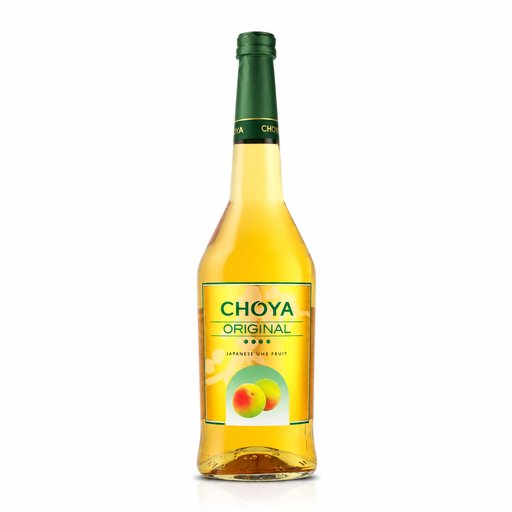
Why it suits this profile: This Japanese plum wine is designed to be served chilled, over ice or in cocktails. The 750 ml bottle is well suited to dinners, guests and gift-giving occasions.
The product information includes the alcohol content, ingredients, nutritional values and storage advice. So you don’t have to judge it by its presentation alone.
10% alcohol, 750 ml, made with ume plums according to the product description, with no artificial colourings or preservatives listed.
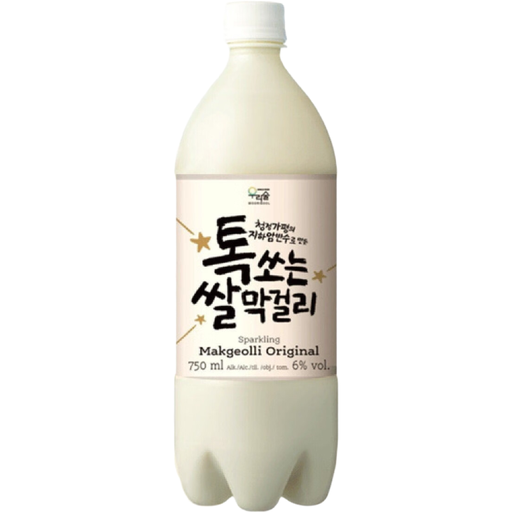
Why it suits this profile: The 750 ml bottle is suitable for a Korean meal or a group. According to the product information, this makgeolli has a gently sweet, slightly sour and softly sparkling flavour profile.
The 6% alcohol content is stated, and the ingredients include barley and wheat. It’s therefore important to check for gluten before ordering.
750 ml, 6% alcohol, fermented rice drink, suitable for serving chilled with Korean food.
We’ve put together a complete, up-to-date list of products that meet these strict selection criteria and the applicable European safety regulations.
Flavoured soju at 12% may be approachable thanks to its fruity flavour profile, but that doesn’t automatically make it low in alcohol. If you’re mainly looking for a lower alcohol content, consider makgeolli at 3% or 5% instead. Always check the latest product information and serve chilled.
Korean soju is generally clear and often served in small glasses or used as a cocktail base. Makgeolli is a cloudy, fermented rice drink with a softer, sometimes lightly sparkling profile. In this selection, makgeolli ranges from 3% to 6% alcohol, while the soju varieties listed are around 12% to 13%.
Store unopened bottles according to the label, usually in a cool place away from direct sunlight. Seal opened bottles tightly. Makgeolli and other drinks with a softer or sparkling character can change in flavour more quickly after opening, so it’s best to keep them chilled and drink them promptly. Alcohol is intended for adults aged 18 and over only. Drink responsibly and follow Dutch advice not to drink during pregnancy.
