
Vandaag of morgen in huis

Kwaliteit gegarandeerd

Welkomstaanbiedingen ontgrendelen: GRATIS bezorging | Tot 80% korting | Gratis 30 dagen JoyPlus-proefperiode
Download de app
Korean alcoholic drinks are becoming increasingly easy to find online in the Netherlands. However, a striking label or tropical flavour does not tell you everything about what you are buying. If you focus only on the name or product photo, you may choose a bottle that is too sweet, stronger than expected or poorly suited to your planned meal.
These points will help you distinguish marketing claims from specific product information.
Fruit soju often contains around 12% alcohol, while makgeolli, for example, may contain 3% or 6%. A 360 ml bottle with 12% alcohol is therefore quite different from a light beer or a smooth rice wine. Always check the alcohol content by volume and look at the bottle size.
Fruit soju in flavours such as apple, mango, grape, lychee or watermelon often contains sugar, syrup, fruit juice or sweeteners. According to the manufacturer’s or importer’s product information, the exact ingredients may vary by flavour. A fruit name on the front therefore does not mean that the drink consists exclusively of fruit juice.
Pay particular attention to:
Makgeolli is a fermented Korean rice wine. It may have a creamy texture and a lightly sparkling character. Before buying, check the storage advice, best-before date and instructions for use after opening. Some products should be stored in a cool place and consumed chilled. A damaged seal is a reason not to use the product.
Use the alcohol content as your first filter:
The volume makes a difference to how you use the drink. A 360 ml bottle is suitable for individual drinking or sharing with one other person. A 750 ml bottle of makgeolli is more practical for a dinner or a group. For a party, a box containing several Thai beers may be better value than buying individual bottles, but check the total volume and available storage space first.
Korean soju may contain water, distilled alcohol, fruit flavouring, sugar or fructose syrup. Some varieties list fermented apple and pear wine. Anyone allergic to fruit or cereals should check the full packaging.
Makgeolli generally contains rice and a fermentation starter. WOORISOOL’s Rice Wine Makgeolli product information lists ingredients including glutinous rice, brown rice, barley and wheat flour. This means that gluten-containing cereals may be relevant. The peach variety also lists wheat as an allergen.
Beer also requires attention: Asahi Super Dry, Kirin Ichiban, Chang and Brand IPA list barley or malted barley. If in doubt, always check the current label, as product formulations may change.
Fruit soju is usually sweeter and fruitier than classic soju. Yuzu can provide a citrusy impression, while mango, grape, lychee, raspberry, strawberry and melon offer a softer fruit profile. These drinks can be served chilled, over ice or as the base for a mixed drink.
With its lightly sour, creamy style, makgeolli pairs well with Korean dishes, savoury pancakes and snacks. Japanese beer, such as Asahi or Kirin, goes well with sushi, fried dishes and ramen. Thai beer, such as Chang or LEO, is a natural choice for spicy curries, grilled meat, seafood and street food.
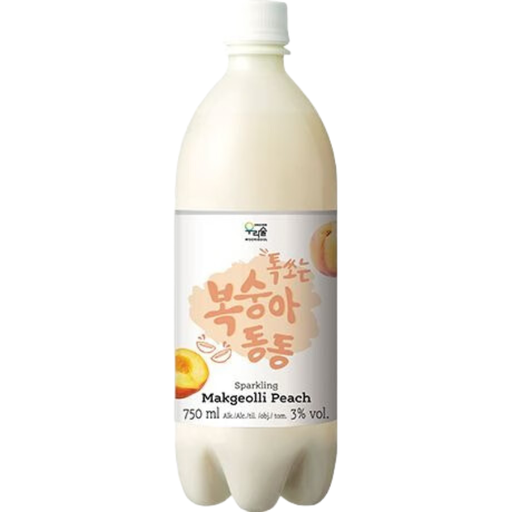
Why it suits this profile: The 750 ml bottle offers a gentle introduction to makgeolli for a dinner or small gathering. It contains 3% alcohol.
The clearly stated alcohol content and listed ingredients make it easier to compare than relying on the peach flavour alone.
3% alcohol, 750 ml volume, peach flavour and a creamy makgeolli style according to the product description.
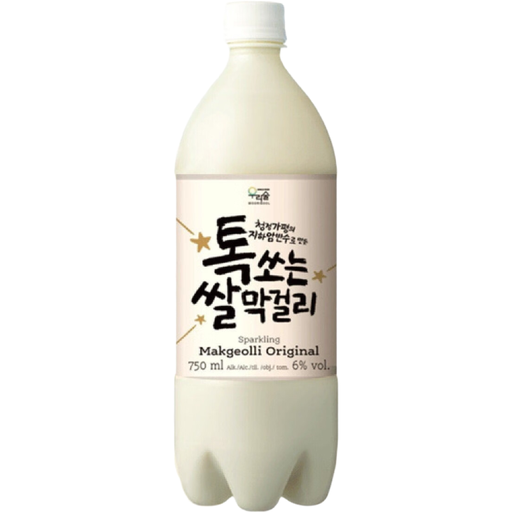
Why it suits this profile: This traditional style is ideal if you are looking for a stronger drink with a less pronounced fruit profile to accompany Korean dishes.
The product information lists the grains used, the gluten allergen and the alcohol content of 6%.
Made with rice, barley, wheat flour and a fermentation starter; 6% alcohol and a lightly sparkling style according to the product description.
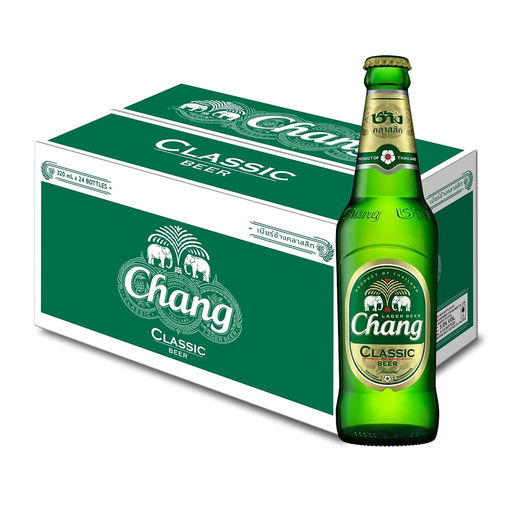
Why it suits this profile: A box of 24 bottles is practical for parties, barbecues and dinners with several guests.
The pack size and alcohol content are clearly stated, so you can estimate the total quantity in advance.
24 bottles of 320 ml, approximately 5% alcohol and a lager style that, according to the product information, pairs well with Asian dishes.
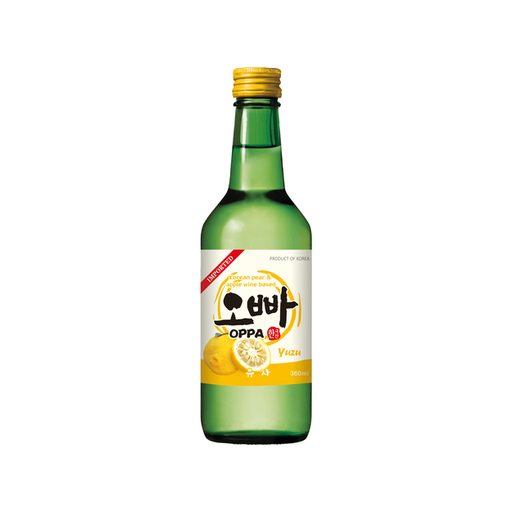
Why it suits this profile: Yuzu’s citrus notes offer an alternative to sweeter mango, grape or strawberry soju.
The product details state 12% alcohol, a 360 ml volume and approximately 7.8 g of sugar per 100 ml.
Yuzu juice concentrate, 12% alcohol and a compact bottle for serving chilled or mixing.
We have put together a complete, up-to-date list of products that fully meet these strict selection criteria and the applicable European safety regulations.
When ordering online, bear these points in mind:
Korean soju is a distilled alcoholic drink. Fruit soju is a flavoured variety, available in flavours such as mango, apple, grape, lychee or yuzu. In the available product information, the fruit soju mentioned contains around 12% alcohol. Check the ingredients and nutritional values if you prefer a less sweet drink.
Compare the alcohol content, volume, fermentation style and allergens. Makgeolli may contain rice, barley and wheat. The 750 ml peach variety contains 3% alcohol; another WOORISOOL variety lists 6%. Also check the storage advice and best-before date.
Thai beer, such as Chang or LEO, is linked in the product descriptions to spicy dishes, grilled meat and seafood. Japanese beer, such as Asahi Super Dry or Kirin Ichiban, can pair well with sushi, ramen and fried meals. The final choice depends on your preference for bitterness, maltiness and alcohol content. Drink responsibly and serve beer well chilled.
