
Vandaag of morgen in huis

Kwaliteit gegarandeerd

Welkomstaanbiedingen ontgrendelen: GRATIS bezorging | Tot 80% korting | Gratis 30 dagen JoyPlus-proefperiode
Download de app
Buying Korean alcohol can seem straightforward: choose an attractive bottle, compare the price and place your order. However, Korean soju, fruit soju and makgeolli vary considerably in alcohol content, flavour, size and serving method. For example, a sweet bottle may taste approachable while still containing 12% alcohol.
The Joybuy Product Recommendation Officer selects products based on verifiable information such as alcohol content, volume, ingredients and occasion. This helps you avoid choosing based solely on the packaging, flavour name or marketing copy.
Mango, grape, peach, lychee and melon sound light and refreshing. However, they say nothing about the alcohol content. Several flavoured soju products in the range contain 12% alcohol, while a white grape makgeolli contains 5%. Always check the alcohol content on the product label.
A 1.5-litre bottle is practical for a larger dinner, but less suitable if you want to try a new drink first. Smaller sizes of 300 to 360 ml are better suited to individual use or a tasting session. Also check the shelf life and storage instructions after opening.
Makgeolli is a cloudy Korean rice wine with a creamy texture. Sake, such as Japanese sake, is generally clearer and has a different production process and flavour profile. There are also differences between types of makgeolli: fruit varieties are often sweeter than traditional versions. So read the ingredients and serving instructions before ordering.
The alcohol content, shown as % vol or ABV, is the first practical point of comparison. Among the products mentioned, you will find:
A lower percentage does not automatically mean that you can drink more. Alcoholic drinks are intended for adults; drink responsibly and do not drink alcohol during pregnancy. Also check the Dutch age and delivery requirements before ordering.
Flavoured soju often contains distilled alcohol, sugar, fruit syrup, flavourings and food acids. The exact composition varies by brand. For example, Oppa Mango and Oppa Melon list wheat as an allergen, while other product information does not mention any of the 14 major EU allergens.
Makgeolli may contain wheat or another grain ingredient. Woorisool Rice Wine Makgeolli Peach, for example, lists wheat among its ingredients. If you have allergies, it is advisable to check the packaging and the current product page. Information provided by an online shop does not replace the product label.
The flavour name gives you an initial indication, but you should also consider how the drink is served:
Claims about an authentic flavour or a “premium” recipe come from product or brand communications. Do not regard them as an independent guarantee of quality. Objective details such as alcohol content, volume and ingredients are more useful when comparing products.
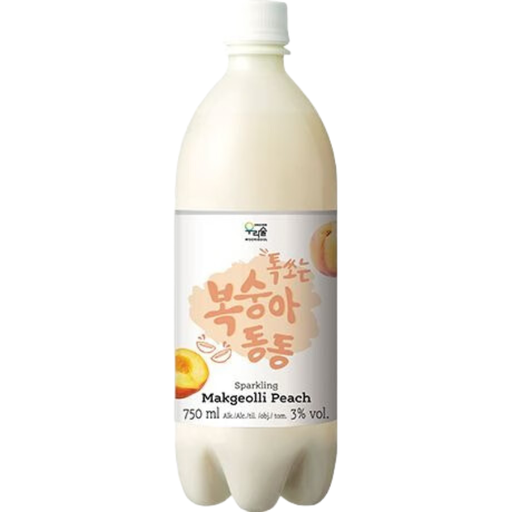
Why it suits this profile: With a volume of 750 ml and an alcohol content of 3%, this is well suited to a relaxed introduction to Korean rice wine during a meal or gathering.
The alcohol content and bottle size are clearly stated in the product information, so you do not have to rely solely on the sweet peach flavour.
3% alcohol, 750 ml volume and a creamy makgeolli texture with peach flavour. Please note: the ingredients list includes wheat.
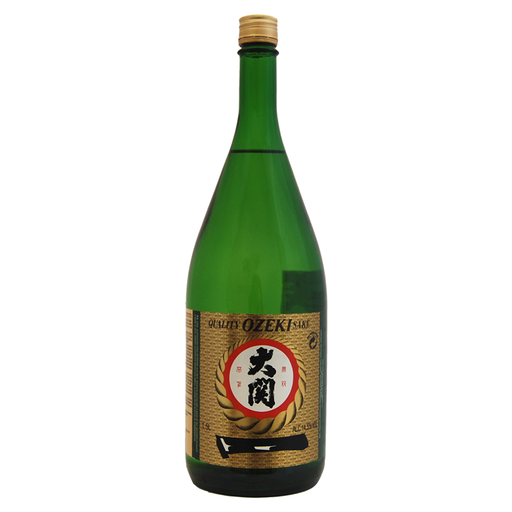
Why it suits this profile: If you are looking for a larger bottle for dinner and prefer a drier profile, this offers an alternative to fruity Korean drinks.
The product information lists rice, water and Ozeki as ingredients. This allows you to choose based on style and composition rather than a fruity flavour name.
Junmai style, 1.5-litre volume and a dry, full-bodied flavour profile according to the product description.
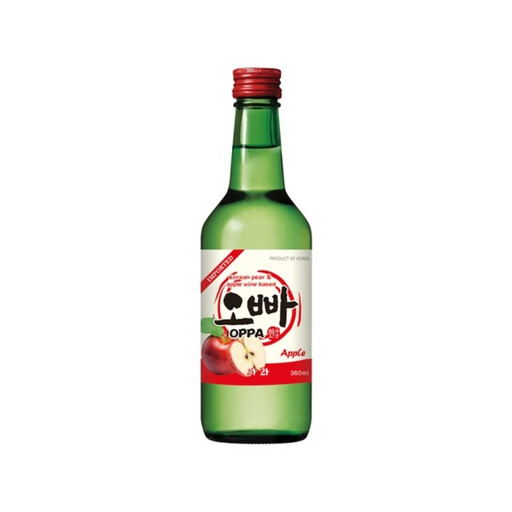
Why it suits this profile: The 360 ml bottle is easy to serve chilled with Korean BBQ, spicy dishes or a relaxed evening featuring several flavours.
The volume and 12% alcohol content are clearly stated. This prevents you from automatically assuming that a small bottle is a light drink.
Apple flavour, 360 ml volume and suitable for serving chilled, over ice or neat. The product information does not list any of the 14 major EU allergens.
We have compiled a complete, up-to-date list of products that fully meet these strict selection criteria and the applicable European safety regulations.
Makgeolli with 3% or 5% alcohol offers an approachable introduction to Korean rice wine. If you would rather try a fruity alcoholic drink, you can choose a small bottle of fruit soju. However, bear in mind that the fruit soju products in this selection often contain 12% alcohol, despite their sweet flavour.
Soju is a clear Korean drink made with distilled alcohol and is often available in flavoured varieties. Makgeolli is a cloudy, fermented rice wine with a creamier texture. The alcohol content, sweetness and serving method can vary from one product to another.
Yes, fruity soju and makgeolli are often chosen with Korean dishes, including Korean BBQ. When ordering online, check the alcohol content, bottle volume, ingredients and delivery requirements. This will help you choose a Korean drink suited to the number of guests and the planned menu.
