
Vandaag of morgen in huis

Kwaliteit gegarandeerd

Welkomstaanbiedingen ontgrendelen: GRATIS bezorging | Tot 80% korting | Gratis 30 dagen JoyPlus-proefperiode
Download de app
When you search for konjac snacks and noodles, you’ll quickly come across terms like low-calorie, keto, vegan and low-carb. But a flashy front-of-pack label doesn’t tell the whole story. The real difference lies in the ingredients list, the nutritional values and how you actually use the product.
This guide will help you compare konjac rice, shirataki rice, konjac noodles, konjac pasta and ready-to-eat snacks in a focused way.
Some products contain rice, starch, sugar or sauces alongside konjac. This can make the nutritional values vary significantly. For example, DSKONYAKU Konjac Rice 150g lists 50% shirataki rice and 38.6% white rice according to the product information. The pack states 149 kcal and 35 grams of carbohydrates per 150g serving.
So a product with konjac isn’t necessarily suitable as keto noodles, low-carb noodles or shirataki rice. Always check the values per 100g and per pack.
Ready-to-eat konjac snacks in particular get their flavour from oil, chilli sauce, soy sauce and spices. Bestore Konjac Slices Hot Pot Flavor, for instance, lists 121 kcal and 3.4g of salt per 100g. That can fit into a mindful choice, but portion size and total daily intake still matter.
So don’t just focus on calories. Also check salt, fat, saturated fat and sugar.
A basic konjac product can be plant-based, but composite products sometimes contain milk, soya, peanuts, sesame or wheat. DSKONYAKU Premium Pasta Konjac Noodle lists milk and soya as allergens. Be&Cheery Konjac Vegetarian Tripe contains soya, sesame and gluten from wheat.
If you’re specifically looking for vegan konjac or gluten-free konjac, it’s wise to check the ingredients and allergens on the actual packaging. Product information can vary between batches or market adjustments.
First, look at the order of ingredients. Ingredients are normally listed in descending order by quantity. Check the following:
For a neutral base, Hethstia Konjac Noodle Fettuccine and Yu Quan Konjac Noodle Sheets are examples with a simple composition based on water, konjac and a setting agent. Hethstia states 6 kcal and 1.3g carbohydrates per 100g; Yu Quan states 16 kcal and 4g carbohydrates per 100g. Always check these values on the product packaging.
Konjac noodles and konjac pasta are often pre-cooked, but not every product is used the same way. Some varieties need to be rinsed and briefly heated. Others are ready to eat straight away.
A practical approach:
The texture is usually springy or firm and differs from regular pasta. A robust sauce, broth or stir-fry helps to complement the neutral flavour of many konjac products.
Individual sachets are handy for on the go and make portion control easier. This applies, for example, to MOWON snacks with 20 portions of 18g each, or the Maliuji pack with 20 sachets of 15g each.
Pay attention to the storage instructions. Some products can be stored unopened at room temperature, while others need to be refrigerated after opening and consumed quickly. Always refer to the packaging for the exact date.
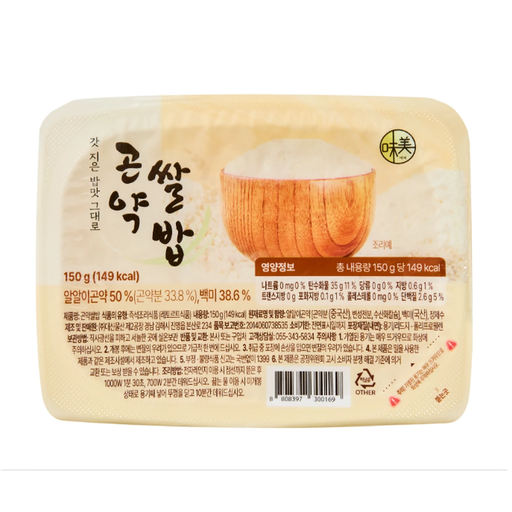
Why this fits the profile: A small portion to try konjac rice without committing to a large stock. It can be prepared in the microwave or in boiling water.
The nutritional values list both energy and carbohydrates per pack, so you can factor in the presence of white rice when comparing.
150g per pack; 0g sugar and 0mg sodium according to the stated product information.
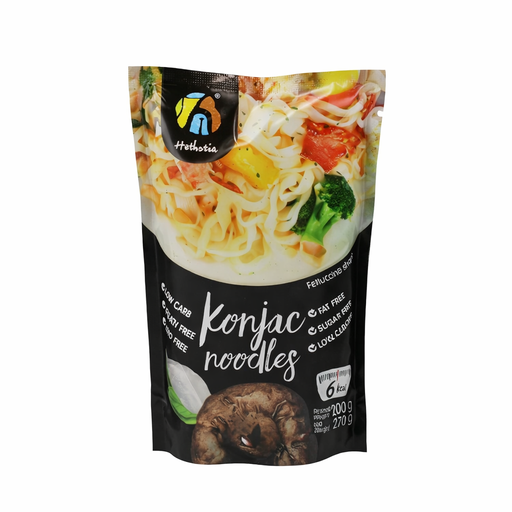
Why this fits the profile: The fettuccine shape works well with pasta dishes, while the neutral flavour leaves room for tomato sauce, pesto, vegetables or plant-based proteins.
The product information lists water, konjac flour, citric acid and calcium hydroxide; milk, soya and wheat are not mentioned as ingredients.
270g per pack; according to the product information, 6 kcal and 1.3g carbohydrates per 100g.
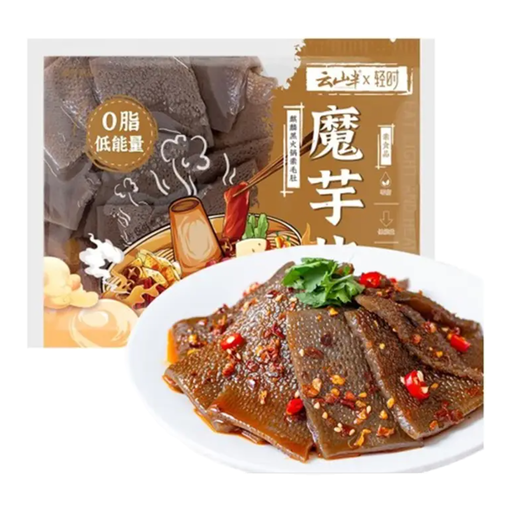
Why this fits the profile: The large pack is ideal for regular use in salads, soups, stir-fries and konjac hotpot.
You’re buying a neutral base without a ready-made sauce, so you control the amount of oil, salt and seasonings yourself.
500g; according to the product information, no fat, protein or salt per 100g, and suitable for both hot and cold preparations.
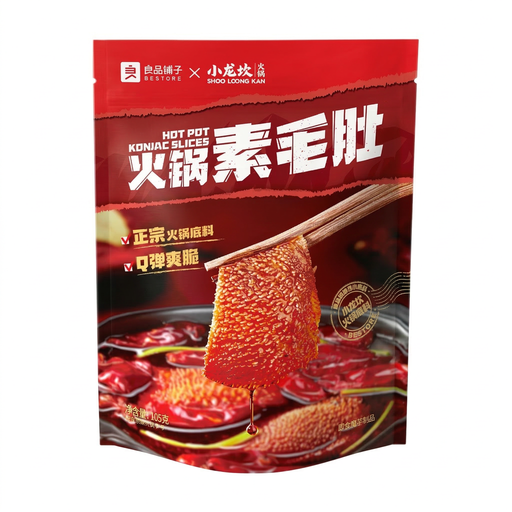
Why this fits the profile: Ready to eat and seasoned with hotpot flavour, so you don’t need a pan or extra sauce for a quick spicy konjac snack.
The product page clearly states that it is ready to eat and contains soya, so you can assess preparation and allergens in advance.
105g; ready to eat with a chewy texture according to the product description.
We’ve put together a full, up-to-date list of products that fully meet these strict selection criteria and comply with current European safety regulations.
That depends on the composition. Pure konjac noodles are often low in energy and carbohydrates, but varieties with rice, starch, sauce or sugar can have higher values. So check the nutritional information table. A product with rice is not the same as a fully konjac product.
Always follow the instructions on the pack. Many noodles need to be drained and rinsed, after which you heat them briefly in a pan, microwave or boiling water. Depending on the product, konjac rice can be heated straight away. Add flavourings and ingredients, as the base is often mild in taste.
This varies by product. Some packs need to be refrigerated after opening and used within two days; others state “consume quickly” or a maximum of a few days. Store opened konjac snacks, konjac jelly and noodles sealed in the fridge and follow the instructions on the pack.
