
Vandaag of morgen in huis

Kwaliteit gegarandeerd

Welkomstaanbiedingen ontgrendelen: GRATIS bezorging | Tot 80% korting | Gratis 30 dagen JoyPlus-proefperiode
Download de app
Fancy a spicy konjac snack, but unsure whether to go for strips, vegetarian tripe, mala snack or a large multi-pack? The range varies widely in flavour, portion size, salt content and packaging. A product that boasts “low-calorie” on the front might, for example, contain a relatively high amount of salt. Likewise, “plant-based” doesn’t automatically mean it’s free from soya, sesame or wheat.
With these practical selection points, you can compare konjac snacks using verifiable product information. That way, you can make a more informed choice for the office, on the go, during gaming sessions, or for sharing.
According to the nutritional labels provided, konjac snacks often contain around 68 to 134 kcal per 100 grams. That sounds low, but portion sizes differ. A 50-gram bag is quite different from a 360-gram box. What’s more, the seasoning may contain oil, which can push up the fat and energy content.
So always compare:
A Sichuan konjac snack typically combines chilli with Sichuan pepper. That pepper gives not only heat but also a numbing or tingling sensation in the mouth. Not everyone is after that effect. If you prefer a sour-spicy kick, you’re better off looking at hot-and-sour varieties or snacks with pickled chilli and ginger.
The flavour name gives you an idea of what to expect, but it’s still worth checking the ingredients list. There you’ll find things like chilli, Sichuan pepper, garlic, ginger, sesame or chilli oil.
Konjac itself is plant-based, but the complete snack may contain soya, wheat, sesame or peanuts. Some vegetarian tripe-style snacks, for instance, use soya sauce or hydrolysed soya protein for extra flavour.
Before you buy, check the bold allergens on the label. Also look out for sulphites, flavour enhancers and sweeteners if you want to avoid these ingredients.
Most Chinese konjac snacks are made as thin konjac strips or wavy ribbons. They’re soft, springy and sometimes slightly crunchy. The term konjac vegetarian tripe refers to the shape and bite that resemble tripe, not an animal ingredient.
A konjac tteokbokki product has a different purpose. The rice-cake-like shape is thicker and designed to be eaten with sauce. The DSKONYAKU Premium Tteokbokki Konjac lists 277.78 kcal per 100 grams. That’s clearly different from many ready-to-eat snacks. So check whether you’re after a snack for immediate consumption or a product for a meal-style preparation.
A low-calorie snack can still be high in salt. In the product information, values range from 2.45 to 8.2 grams of salt per 100 grams. Heavily spiced Sichuan and hotpot varieties in particular can be on the higher side.
Use this simple comparison:
The terms “low-calorie” or “low-fat” are based on the product description. According to the brands’ own information, this says nothing about a complete diet or any medical effect.
An individually wrapped snack is handy for a desk drawer, rucksack or gaming room. A box of 20 sachets also helps you measure out portions and is suitable for sharing. A single 50-gram bag is more practical if you want to try a flavour first.
After opening, pay attention to the storage instructions. Many products need to be kept cool and dry and eaten soon after opening. Products with a larger outer packaging may also need to be stored differently from chilled konjac products.

Why this fits the profile: A compact 50-gram bag is straightforward for anyone trying a Chinese konjac snack for the first time without wanting to buy a large stock.
The net weight is clearly stated and the nutritional value comes out at 68 kcal per 100 grams. The allergen information lists soya and sulphites.
Sichuan pepper, chilli and garlic provide a pronounced flavour according to the ingredients list. Ready to eat straight away.
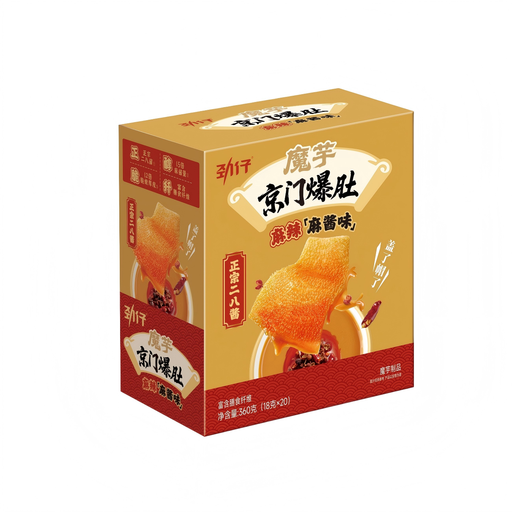
Why this fits the profile: The combination of sesame, peanuts, chilli and Sichuan pepper is ideal for fans of a full-bodied mala snack with multiple layers of flavour.
The box contains 20 sachets of 18 grams each. This makes the portion visible and means you don’t have to keep eating from a large opened bag.
According to the product label, the snack contains 196 kcal per 100 grams and 2.5 grams of salt. Allergens: soya, peanuts and sesame.
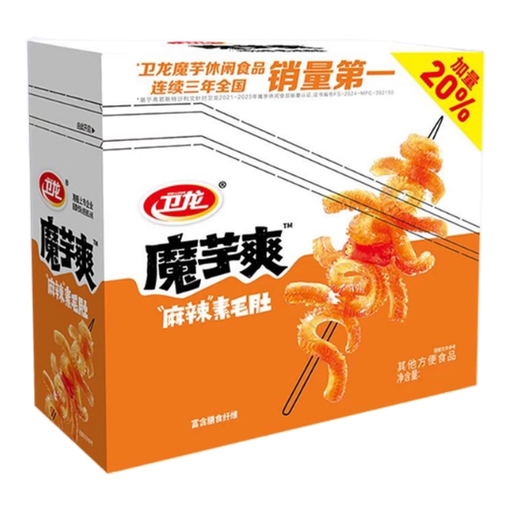
Why this fits the profile: The box of 20 individual sachets is ideal for regular snacking, sharing with colleagues, or keeping a stash for on the go.
The portion packaging limits exposure to air after opening. The salt content of 5 grams per 100 grams does make it clear that portion control remains important.
Mala flavour with chilli and Sichuan pepper, ready to eat and packed in individual portions. Contains sesame as an allergen.
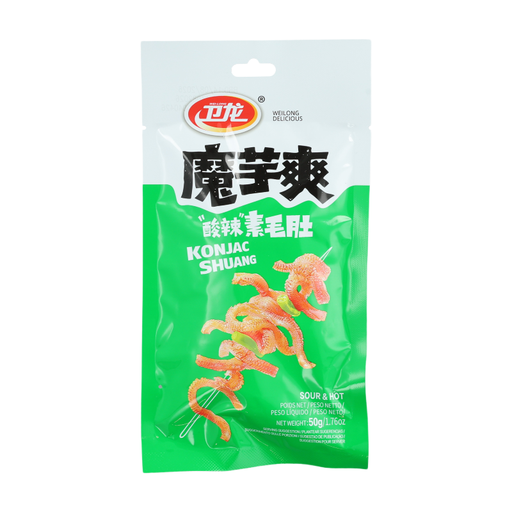
Why this fits the profile: This variant is aimed at those who prefer a sour, spicy flavour rather than just dry chilli heat.
The flavour is described as hot and sour, and the ingredients list pickled chilli and ginger. This makes the flavour profile easier to predict.
252 grams with approximately 28 portions, 108 kcal per 100 grams according to the label, and soya listed as an allergen.
We’ve put together a full, up-to-date list of products that fully meet these strict selection criteria and comply with current European safety regulations.
That depends on the specific product and the portion size. In the product information provided, values range from 68 to 196 kcal per 100 grams. So check the label and also look at the oil, sauce and the actual contents of one sachet.
Unopened snacks should generally be kept cool and dry, away from direct sunlight. After opening, you need to seal the packaging well and consume the product quickly. Always follow the storage instructions on the packaging, as chilled or wet varieties may have different guidelines.
Many varieties are based on konjac and contain no meat, but always check the full ingredients list. Soya, wheat, sesame and peanuts are common. The DSKONYAKU konjac tteokbokki also contains milk derivatives in the sauce powder. A plant-based appearance is therefore no substitute for checking allergens and ingredients.
