
Vandaag of morgen in huis

Kwaliteit gegarandeerd

Welkomstaanbiedingen ontgrendelen: GRATIS bezorging | Tot 80% korting | Gratis 30 dagen JoyPlus-proefperiode
Download de app
Konjac snacks are catching the attention of people looking to reduce their calorie, sugar or carbohydrate intake. The category is broad, ranging from konjac jelly and Japanese snacks to shirataki noodles, konjac rice and Korean snacks. But a pack labelled “zero”, “light” or “sugar-free” doesn’t tell you everything about what’s inside or how to use it.
Pay particular attention to the nutrition label, sweeteners and how you plan to eat the product. Here are the main pitfalls and details to check before you order.
A product may contain no sugar but still list carbohydrates or polyols. You might see this, for example, in some jellies made with erythritol or bars containing maltitol. Always check the table per serving and per 100g. The serving size may be smaller than you expect.
According to the product information, Shimonita Konjac Jelly Salt Pine Flavor contains 15.7 kcal and 3.98g of carbohydrates per piece. It’s a low-calorie snack, but that doesn’t make it a sugar-free snack. The ingredients list includes sugar and isomerised liquid sugar.
A low-calorie konjac jelly usually contains little protein. If you’re looking for a snack after exercise, you may prefer a product with a clear protein content, such as one of these high-protein bars. Optimum Nutrition Whipped Protein Bar, for example, lists 20g of protein per bar, but also contains milk, soya, peanuts and sweeteners.
So, a low energy value doesn’t automatically make a product suitable as a meal replacement or post-workout snack. Check the protein, fibre, serving size and allergens too.
Konjac jelly has a smooth, springy texture. Some products advise you to chew the jelly thoroughly. Eat these snacks slowly and follow the instructions. Don’t give products with this texture to young children without supervision.
Konjac noodles raise a different practical issue: their neutral taste and smell. Shirataki noodles are usually rinsed and briefly heated before being combined with sauce, stock or stir-fried vegetables. Without preparation, they can taste watery or bland.
Don’t compare claims on the front of the pack alone. Check:
Jelly B Konjac Jelly Mango 150ml lists 3 kcal per 100ml, 0g of sugar and 6.8g of erythritol per 100ml. Its composition is therefore different from a jelly where sugar is one of the first ingredients. Large amounts of polyols may have a laxative effect, so check the warning on the label.
If you follow a vegan, gluten-free or low-carbohydrate diet, read the full ingredients list. “Japanese snacks” or “Korean snacks” aren’t automatically vegan or gluten-free.
For example, look out for:
Nakaki 0kcal Konjac & Soy Rice contains konjac flour and soya flour, and lists soya as an allergen. According to the product information, City Aroma Shirataki Broad Noodles are made with water and konjac powder, and are described as gluten-free and low in carbohydrates. Always check the current packaging when you order, as labels can change.
A squeeze pouch is handy for taking with you, while individually wrapped jellies are convenient for a bag or lunchbox. Also check the use-by date and storage instructions. Some opened jellies need to be refrigerated and eaten within two days. Konjac noodles may also have specific instructions once opened.
A multi-pack may work out cheaper per serving, but don’t buy a large pack if you haven’t tried the flavour or texture before. Compare the price per 100g or per piece.
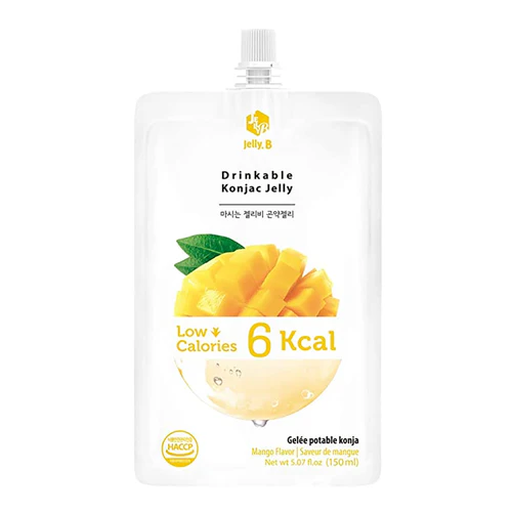
Why it suits this profile: The 150ml single serving is a handy size to try first. The mango jelly is ready to eat and, according to the label, contains 3 kcal per 100ml.
The nutritional information and ingredients are clearly listed. Note that it contains erythritol, and check the best-before date.
150ml, ready to use, 0g of sugar per 100ml according to the product information.

Why it suits this profile: This Japanese konjac jelly comes in a stand-up pouch, has a Shine Muscat flavour and clearly instructs you to squeeze out the contents while chewing.
The product information specifically describes the texture and how to eat it. If you’re sensitive to sweeteners, check the ingredients list: it includes several different sweeteners.
130g, ready to eat, 0 kcal according to the stated nutrition label.
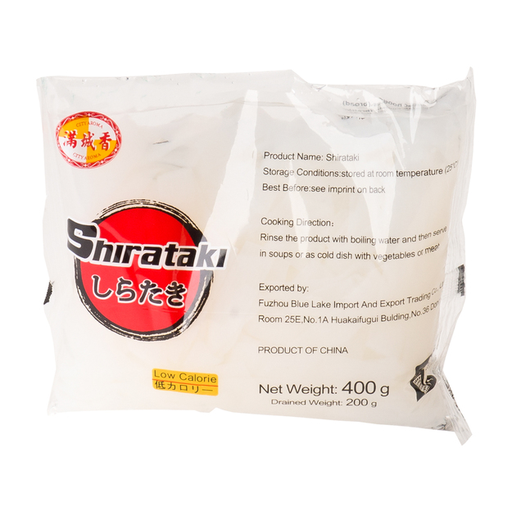
Why it suits this profile: The broad shape works well as a base for stir-fries, broth or pasta sauces. It’s a practical choice if you want to include konjac regularly in your meals.
The product details mention its neutral taste and broad shape. Rinse and heat the noodles before serving so they combine better with sauce.
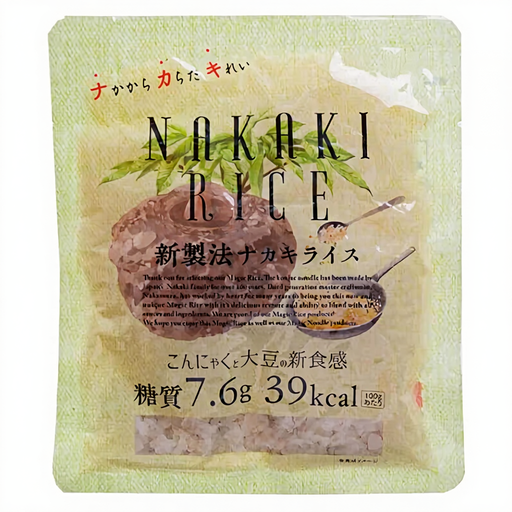
Why it suits this profile: The 180g portion is designed as a quick meal base. According to the product information, all you need to do is rinse and heat it.
The ingredients clearly identify soya as an allergen. This makes it easy to rule out if you avoid soya, rather than relying on the front of the pack alone.
180g, 3.2g of dietary fibre according to the label, vegan and gluten-free according to the product description.
We’ve put together a complete, up-to-date list of products that meet these strict selection criteria and the applicable European safety regulations.
That depends on the product. According to the label, konjac noodles and some jellies are low in carbohydrates, but varieties containing sugar, syrup or fruit concentrate may have more. Always check the nutritional information per serving.
Follow the instructions on the packaging. Several products state that an opened pack should be refrigerated and eaten within two days. Unless the label says otherwise, unopened products should generally be stored in a cool, dry place away from direct sunlight.
No. Konjac jelly and shirataki products are mainly intended as low-calorie snacks or meal components. High-protein bars generally contain considerably more protein, but may also contain milk, soya, nuts or polyols. Compare the nutritional information and allergens with your own goals.
