
Vandaag of morgen in huis

Kwaliteit gegarandeerd

Welkomstaanbiedingen ontgrendelen: GRATIS bezorging | Tot 80% korting | Gratis 30 dagen JoyPlus-proefperiode
Download de app
A konjac snack is a firm favourite among fans of Chinese snacks, Sichuan flavours and plant-based treats. The texture ranges from smooth and springy to crispy and chewy. That’s why some varieties resemble konjac chips, konjac bars or even vegetarian tripe.
However, not every pack is the same. A small bag is handy for eating on the go, while a large box with individual portions is better suited to the office, parties or regular snacking. Also, don’t just look for words like “light” or “low-calorie”. The amount of oil, spices, salt and added ingredients all help determine whether the snack matches your preferences.
The nutritional information is usually given per 100 grams, but a pack might contain, for example, 50, 180 or 360 grams. A konjac snack with 68 kcal per 100 grams isn’t automatically the right choice if you eat the whole pack. So check both the value per 100 grams and the portion size.
“Spicy” usually refers to chilli. A mala snack combines chilli with Sichuan pepper, which can create a tingling or numbing sensation in your mouth. Other products use hotpot spices, pickled vegetables, sesame or hot chicken seasoning. So look at the ingredients list, not just the front of the pack.
A snack with individual packs is practical, but the small bags can mean extra packaging. Always check the allergens too. In this category, you’ll find soya, sesame, peanut and wheat among others. Some varieties also contain sulphites, sweeteners or flavour enhancers. Recipes can change, so use the pack as your final check.
Konjac is processed into slices, strips, strands or ridged shapes. Products sold as vegetarian tripe aim to offer a springy, chewy texture. If you’re after something more like a bite, choose a crispy konjac snack. If you prefer a softer texture, try a smooth konjac slice or strip.
The product shape also affects how you use it. Thin strips and strands are easy to eat straight from the bag. Larger slices work well as a side dish with rice or noodles.
Compare at least:
A lower energy content doesn’t automatically mean a product is suitable for every diet. It’s still a savoury snack with spices and often added salt.
For commuting, school or the office, portions of 9 to 18 grams are easy to take with you. A bulk pack with around 20 to 28 bags is more convenient for sharing and stops you having to reseal a large bag each time. Once opened, follow the instructions on the pack. Some products need to be refrigerated and consumed quickly.

Why this suits the profile: A small pack to try a Sichuan snack without committing to a large selection straight away.
The portion is 50 grams and the pack states 68 kcal per 100 grams. This lets you estimate the amount in advance.
Green Sichuan pepper, chilli, garlic and ginger; individually wrapped and ready to eat.
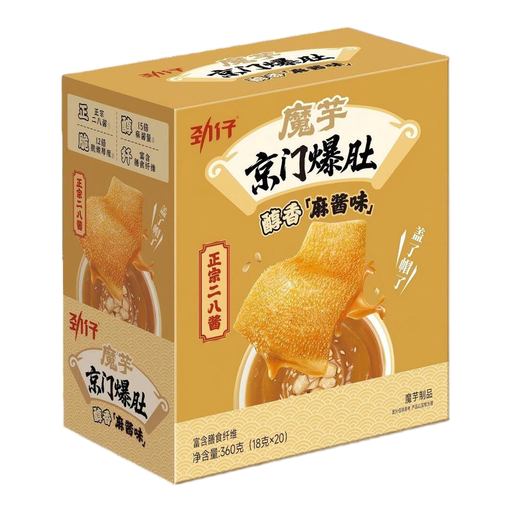
Why this suits the profile: The box contains 20 bags of 18 grams and combines konjac with sesame and peanut flavour.
The individual portions make it easier to control your intake than with one large opened bag.
71.39% konjac embryo according to the product information; 20 individual bags and 196 kcal per 100 grams.

Why this suits the profile: Ideal if you want a firm vegetarian tripe texture and lots of small portions for sharing or stocking up.
The pack states approximately 28 individual bags. This reduces the risk of having to use the whole supply at once after opening.
252 grams total; 114 kcal per 100 grams; soya and wheat listed as allergens.
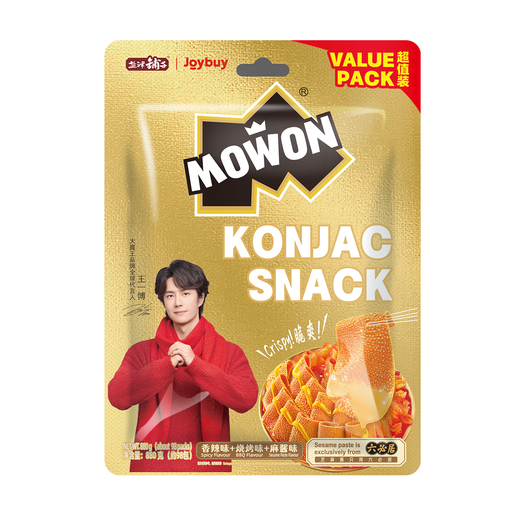
Why this suits the profile: The mix of sesame paste, barbecue and spicy flavour is practical when several people have different preferences.
The flavours and nutritional values are specified per variant, so you’re not relying solely on a general claim on the front.
Approximately 98 small packs; three savoury flavour profiles; great for sharing.
We’ve put together a full, up-to-date list of products that fully meet these strict selection criteria and comply with current European safety regulations.
Yes, especially varieties with individual packs are practical for a bag, desk drawer or lunchbox. Check whether the product can be stored at room temperature when unopened. Once opened, different storage advice may apply.
The best-before date is on the pack. Store unopened snacks in a cool, dry place away from direct sunlight. Once opened, seal the product according to the instructions, refrigerate if needed and consume quickly.
Compare the portion size, texture, flavour, energy, fat and salt per 100 grams. Also check allergens such as soya, sesame, peanut and wheat. If you’re looking for a spicy konjac snack, pay particular attention to chilli, Sichuan pepper, hotpot spices or mala in the ingredients list.
