
Vandaag of morgen in huis

Kwaliteit gegarandeerd

Welkomstaanbiedingen ontgrendelen: GRATIS bezorging | Tot 80% korting | Gratis 30 dagen JoyPlus-proefperiode
Download de app
A konjac snack might seem simple at first glance: just open a bag and eat. Yet the products vary greatly in flavour, texture, portion size, nutritional values and allergens. If you only focus on words like “mala”, “low calorie” or “vegetarian tripe”, you could end up buying a snack that’s too salty, too spicy or awkwardly packaged.
With this practical checklist, you can compare a spicy konjac snack on verifiable points. Afterwards, you’ll find some popular choices for different situations: from a first taste to stocking up for the office, gaming or a social gathering.
According to the product information, konjac products often contain relatively little energy per 100g. However, the values in this range vary from 68 to 196 kcal per 100g. That’s a significant difference. Oil, sesame sauce, sugar and starch also affect the nutritional value.
So always compare:
A product with 20 bags of 18g can be practical for portion control, but the overall pack still contains multiple servings.
“Spicy” can refer to chilli, Sichuan pepper, hot chicken, chilli oil or hotpot spices. Mala typically combines a tingling chilli heat with the numbing effect of Sichuan pepper. A Chinese snack in Sichuan style is therefore not the same as a sweet-and-spicy or barbecue variety.
Look at the flavour description:
The shape and texture reference tripe, but the products in this selection are made from konjac and other plant-based ingredients. Always check the label anyway. Many varieties contain soya, and some also contain wheat, gluten, sesame, peanuts or sulphites.
You should only consider a product “vegan” when the current ingredients list and packaging show no animal-derived ingredients. Recipes can change. If you have an allergy, it’s essential to check the packaging and allergen declaration before eating the snack.
Konjac powder forms the basis of the characteristic elastic, smooth or slightly crunchy texture. The stated proportion varies by product. The product information shows, for example, 6%, 7% or 10% konjac powder, while Jinzai Jingmen lists a konjac embryo content of 71.37%. These percentages aren’t directly comparable, because manufacturers use different names and recipes.
If you’re looking for a high-fibre snack, don’t rely solely on the word konjac. Check whether dietary fibre actually appears in the nutrition table. If that information isn’t listed, you can’t reliably determine the fibre content from the online product text.
An individually wrapped snack is handy for the train, the office, gaming or a drinks party. Bags of 9g, 15g or 18g help you choose a portion in advance and make sharing easier.
Also pay attention to:
A ready-to-eat snack doesn’t need refrigeration as long as the packaging is sealed, but some products must be refrigerated after opening or consumed quickly. Follow the information on the packaging.
For various varieties, the salt content is around 2.5 to 5 grams per 100g. One product even lists 8.2 grams per 100g. That makes salt an important point of comparison, even when a snack is low in calories.
Also check E-numbers, flavour enhancers and preservatives if you prefer to limit them. This isn’t a judgement on product quality, but a way to make a choice that suits your own preferences.

Why this fits the profile: The pack contains around 28 small bags. This makes trying and sharing straightforward without opening a large loose portion straight away.
The nutritional information states 114 kcal and 3.16g of salt per 100g. This lets you base your choice on the numbers rather than just the term low calorie.
252g total weight, ready to eat and individually wrapped. The flavour includes Sichuan pepper, chilli, garlic and ginger.
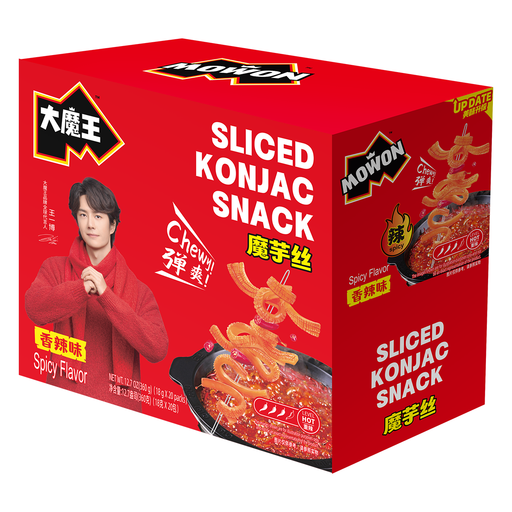
Why this fits the profile: This variety suits those who value texture and a pronounced salt-and-pepper flavour over a large total pack.
The packaging specifies 20 bags of 18g. Sesame, soya, wheat and gluten are also listed as allergens.
108 kcal per 100g, 4.9g fat and 2.5g salt according to the product information. Ready to eat straight from the bag.
Why this fits the profile: The combination of hot spices, sesame, peanut and Sichuan pepper suits lovers of a full-bodied mala snack for regular use.
The product information clearly states 20 individual bags of 18g and lists soya, peanut and sesame as allergens. The nutritional value is 196 kcal per 100g.
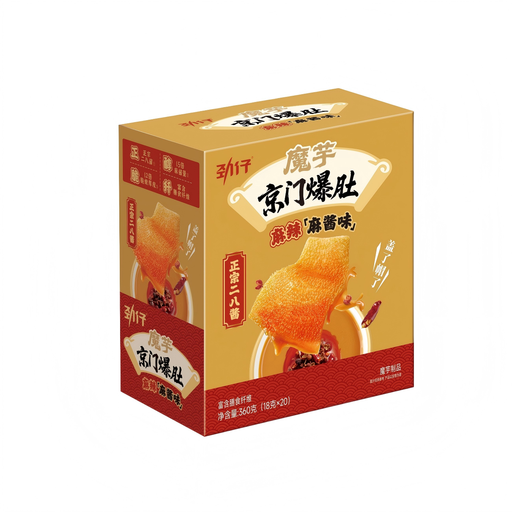
360g total weight, generous portion packaging and a composition with 71.37% konjac embryo according to the product description.

Why this fits the profile: The snack uses plant-based konjac as its base and has a chilli oil and sesame flavour. Always check the current packaging for vegan use.
The ingredients and allergens are specified: soya, sesame and wheat/gluten. The snack hasn’t been judged on its name alone.
84 kcal, 3g fat and 3.2g salt per 100g according to the product information. Individually wrapped and ready to eat.
We’ve put together a full, up-to-date list of products that fully meet these strict selection criteria and comply with current European safety regulations.
That depends on the specific variety and portion. In this range, the values vary from 68 to 196 kcal per 100g. Also check the oil, sauce and actual portion size. “Low calorie” is therefore no substitute for reading the nutrition table.
Store a sealed pack in a cool, dry place away from direct sunlight. After opening, instructions vary by product: some bags must be sealed tightly and consumed quickly, while others need refrigeration. Always follow the label.
No. The name refers to the shape and texture. A vegetarian tripe snack is usually based on konjac, starch and spices. Check the ingredients and allergens if you’re looking for a vegan konjac snack or have food allergies.
