
Vandaag of morgen in huis

Kwaliteit gegarandeerd

Welkomstaanbiedingen ontgrendelen: GRATIS bezorging | Tot 80% korting | Gratis 30 dagen JoyPlus-proefperiode
Download de app
Are you looking for a new, adventurous snack? Then you've probably heard of the konjac snack. These popular Chinese snacks are popping up everywhere, from TikTok feeds to the shelves of Asian supermarkets. They're known for their unique, chewy texture and intense flavours, often as a spicy konjac snack with a mala kick.
But with their growing popularity, choosing the right one has become more challenging. The packaging promises an authentic taste experience and a low-calorie snack, but the reality can sometimes be different. As a Joybuy Product Recommendation Officer, I'll help you cut through the marketing jargon so you can make a choice that truly suits you.
Before you fill your shopping cart, it's wise to be aware of a few common disappointments. This will help you avoid wasting money on a snack that doesn't meet your expectations.
To make an informed choice, it's helpful to pay attention to a few specific product characteristics. These specifications determine the flavour, texture, and overall quality.
The shape of the konjac affects its texture and how well it holds the sauce. The most common shapes are:
Check the packaging for a description of the shape to get an idea of the texture you can expect.
Asian snacks are known for their complex flavours. For a spicy konjac snack, these are the most common profiles:
If you're looking for a low-calorie snack, it's worth checking the nutrition label. Pay attention to the following points:
To get you started, we've highlighted a few popular choices that cater to different preferences and snacking occasions.
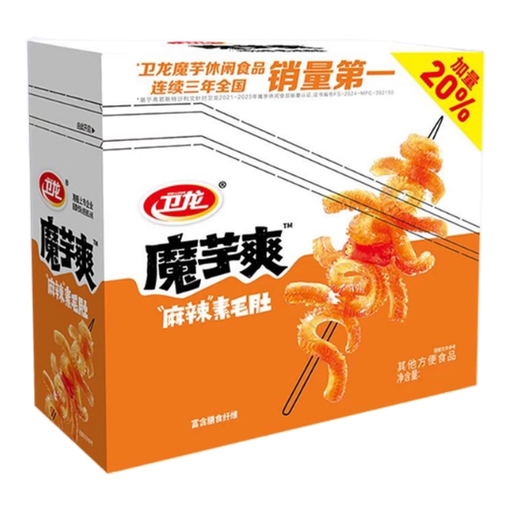
Why This Fits Their Persona: Ideal for those looking to explore the world of konjac snacks. Wei Long is a leading brand, and this mala variety is one of their most popular products. The large box with individual packets makes it easy to try and share.
This snack delivers the authentic numbing and spicy mala flavour, rather than just generic heat. The texture is specifically designed to be chewy, not rubbery.
Contains 20 individually wrapped portions, perfect for on-the-go or when you don't want to eat it all at once. The flavour is a classic introduction to Sichuan cuisine.
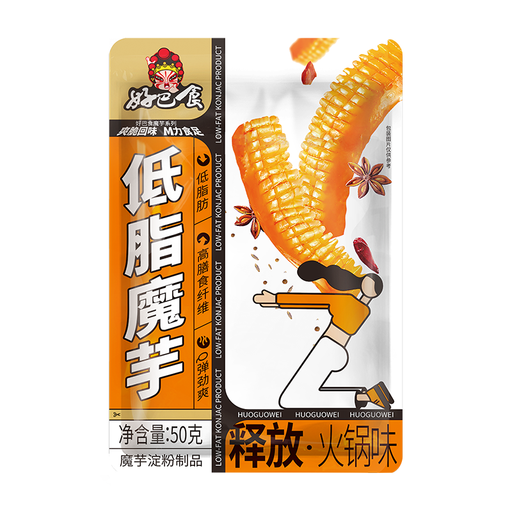
Why This Fits Their Persona: For those already familiar with Chinese cuisine who love the complex, savoury taste of a Sichuan hot pot. This is a snack that offers that specific flavour experience in a convenient, ready-to-eat format.
The flavour is clearly described as "Hot Pot," promising a specific and layered taste experience that goes beyond just "spicy." At 71 kcal per 100g, it's a genuinely low-calorie option.
Authentic Sichuan hot pot seasonings. According to the Hao Ba Shi brand, this snack can also be added to noodle or rice dishes to give the meal an extra dimension of flavour.
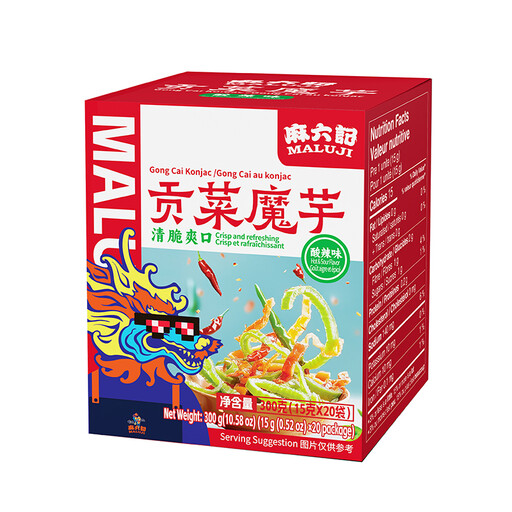
Why This Fits Their Persona: Perfect for those with a busy lifestyle looking for an easy, portioned snack. This variety combines konjac with the crunchy vegetable 'Gong Cai' for a unique textural experience. The small packets are ideal for on-the-go.
The addition of the crunchy Gong Cai vegetable prevents the monotonous or rubbery texture found in some konjac snacks. The flavour is clearly described as 'sour-spicy'.
Unique texture combination of chewy konjac and crunchy vegetables. Packaged in 20 small 15-gram packets, making it a very convenient and light ready-to-eat snack.
We have compiled a complete, up-to-date list of products that fully meet these strict selection criteria and current regulations.
Konjac is a root vegetable that grows naturally in parts of Asia. It is ground into flour and then processed into various shapes. Its popularity stems from a few unique properties: it is a naturally low-calorie and vegan base, contains a high amount of fibre (glucomannan), and has a neutral taste. Its gelatinous, chewy texture absorbs the flavours of sauces and spices very well, making it an ideal base for an intense Asian snack.
An authentic mala snack offers a dual sensation. Là (辣) is the direct, burning heat from chilli peppers that most people are familiar with. Má (麻) is the unique, numbing, and tingling sensation that comes from Sichuan peppercorns. It's not a painful heat, but rather a citrus-like, vibrating tingle on your lips and tongue. The intensity varies by brand, but a good mala snack has a clear balance between the two.
Yes, virtually all konjac snacks you buy in packets are ready-to-eat snacks. You can eat them straight from the packaging, which makes them ideal for on-the-go, at the office, or while studying. As mentioned earlier, you can also get creative by adding them to a bowl of instant noodles, a salad, or a rice dish for extra texture and flavour.
