
Vandaag of morgen in huis

Kwaliteit gegarandeerd

Welkomstaanbiedingen ontgrendelen: GRATIS bezorging | Tot 80% korting | Gratis 30 dagen JoyPlus-proefperiode
Download de app
If you're looking for a way to enjoy pasta and noodle dishes with fewer carbs and calories, you've probably heard of konjac noodles. They are touted as the ideal pasta substitute, especially for those following a keto diet or trying to lose weight. But not all konjac products are created equal. Before you make a purchase, it's important to know a few common pitfalls that could cost you money and a good meal.
The two biggest stumbling blocks when buying konjac noodles are:
This guide will help you see through the marketing hype and make the right choice based on factual product characteristics.
To avoid a bad purchase, there are two specifications you should always check on the packaging: the ingredient list and the nutritional values.
The purest form of shirataki noodles contains only two ingredients: water and konjac powder (sometimes with a acidity regulator). These versions are virtually free of calories and carbohydrates and are naturally gluten-free noodles.
You will also find products where konjac is mixed with, for example, oat flour. This is done to improve the texture and make the noodles more similar to traditional pasta. These are still very low in carbohydrates, but they do contain slightly more calories and carbs than the pure version. So, look closely at the ingredients to see what you're buying.
The numbers don't lie. Always compare the nutritional values per 100 grams to see if a product truly fits your diet.
The difference is significant. Whether you choose the purest form or a blended variety, both are an excellent choice as low-calorie pasta or keto noodles compared to traditional options. Besides noodles, there is also konjac rice, which is based on the same principles.
Below are a few popular choices, tailored to different needs and preferences.
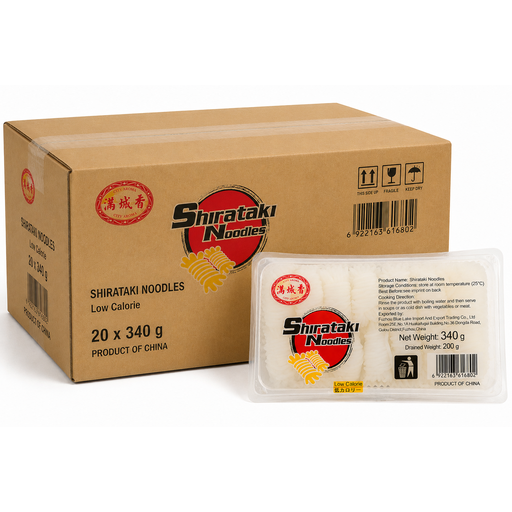
Why This Fits Their Persona: For those following a strict low-carb or ketogenic diet, this is an ideal choice. These noodles contain virtually no carbohydrates, making them a perfect fit for a meal plan where every gram counts.
The ingredient list is minimal (water, konjac powder), so you can be sure there are no hidden carbs. This is the pure, unadulterated form.
With only 11 kcal and 2 grams of carbs per 100 grams, this is one of the lightest options on the market. The neutral taste absorbs sauces and seasonings well.
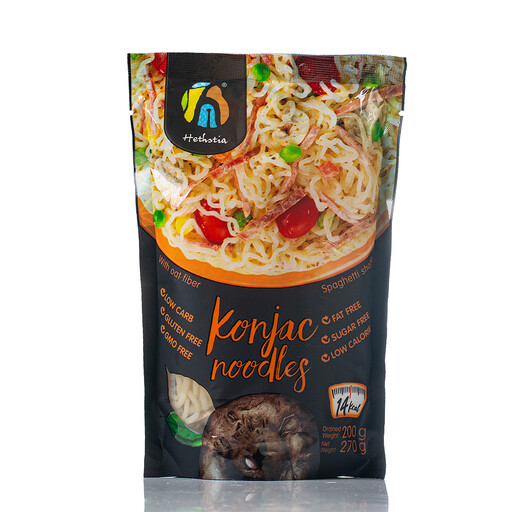
Why This Fits Their Persona: If you find the texture of pure konjac a bit too rubbery, this version with oat flour is a great solution. It offers a fuller, more pasta-like bite, making the switch from traditional pasta easier.
This product directly addresses the 'bad texture' pitfall. The addition of oat flour provides a more pleasant structure that is less elastic than pure konjac.
A better texture with still very low nutritional values (14 kcal and 3.5g carbs per 100g). It's a good compromise between purity and eating experience.
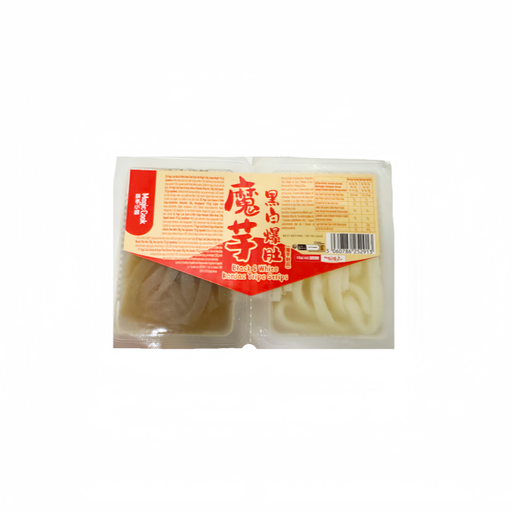
Why This Fits Their Persona: For those who want something different from the standard noodle shape. These konjac strips have a unique, dual texture and are ready to use in hotpots, stir-fries, or salads. Ideal for quick and varied meals.
This product offers a different eating experience, thus bypassing the 'boring texture' pitfall. It's a simple product without sauces containing hidden sugars or salt.
Contains 0 grams of carbohydrates and is ready to use. The mix of white and black konjac (with seaweed powder) provides an interesting, crunchy yet firm bite.
We have compiled a complete, up-to-date list of products that fully meet these strict selection criteria and local regulations.
The slight smell that some konjac noodles have comes from the liquid in the packaging. This is easy to fix. Drain the noodles and rinse them well for 2-3 minutes under cold, running water. For an even better texture, you can then place them in boiling water for 1-2 minutes and subsequently dry-fry them in a hot pan without oil. After this, they will be odourless and ready to absorb the flavours of your sauce.
Konjac noodles can contribute to weight management as part of a balanced diet. They contain very few calories, which can significantly reduce the total calorie intake of a meal. Additionally, they are rich in the dietary fibre glucomannan, which absorbs a lot of water and can contribute to a feeling of fullness. This helps to control portion sizes.
There is no difference; they are two names for the same product. "Konjac" refers to the plant from which the noodles are made. "Shirataki" is the Japanese name for the noodles and means "white waterfall," a reference to their translucent, white appearance. You can use both terms interchangeably.
