
Vandaag of morgen in huis

Kwaliteit gegarandeerd

Welkomstaanbiedingen ontgrendelen: GRATIS bezorging | Tot 80% korting | Gratis 30 dagen JoyPlus-proefperiode
Download de app
Want to buy konjac jelly, but mainly seeing cheerful packaging, fruit names and terms such as “light” or “vegan”? Comparing products based only on flavour or calories is not enough. An Asian jelly can vary considerably in sugar content, serving size, texture, ingredients and usage warnings.
The main pitfalls are easy to avoid:
Start by checking the ingredients list. Does it mention fruit juice, fruit purée or fruit pulp? This tells you more about the composition than simply seeing “mango flavour” or “lychee flavour” on the front.
For example, SHENG XIANG ZHEN Fruit Jelly Mandarin Orange lists 5% fruit juice and contains fruit purée. According to the product information, Want Want Konjac Jelly Apple contains 0.1% concentrated apple juice. Both have an apple or citrus-style fruit flavour, but the amount of fruit differs clearly.
Also look out for:
You should not choose a vegan jelly or halal jelly based solely on the product name. Check the product specifications or the label. According to the product information, Delief Vegan Collagen Konjac Jelly Lychee is listed as both vegan and halal.
Compare products on the same basis. A small pouch may contain few calories per pack, while a large cup may provide considerably more sugar per 100 grams.
Some examples from the product specifications:
These figures may make a product suitable as a low-calorie snack as part of a considered choice, but they do not, on their own, say anything about your overall diet. Also look at carbohydrates, sugars, sweeteners and the total serving size.
A drinkable jelly in a pouch is practical for travelling, at the office or on a train journey. A cup containing fruit pulp is more suited to a relaxed snack at home. Some packs also contain a separate sachet. Want Want Rock Jelly Strawberry, for example, comes with a milk powder sachet that you shake into the jelly.
So check:
Want Want Rock Jelly Strawberry contains milk and carries a choking hazard warning. According to the product information, this product is not suitable for young children. This makes the ingredients list and usage instructions more important than just the eye-catching strawberry flavour.
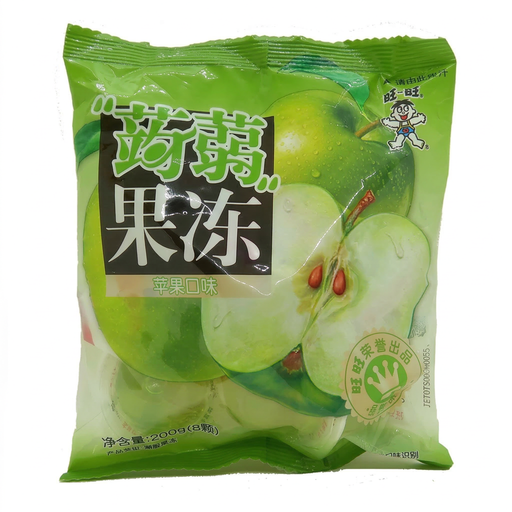
Why it suits this profile: The pouch contains 200 grams and is ready to eat straight away. According to the product information, the jelly provides 89 kcal per 100 grams and contains 0 grams of fat.
The nutritional value and stated fruit content of 0.1% concentrated apple juice make this a verifiable choice rather than one based on the fruit flavour shown on the front.
200 g contents, portable packaging, 0 g fat and ready to open straight away.
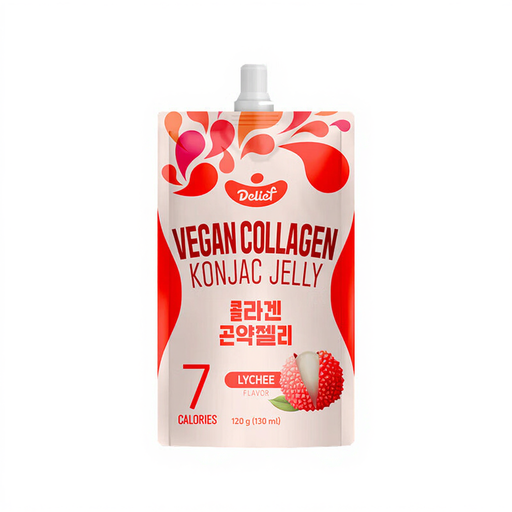
Why it suits this profile: This South Korean jelly has a lychee flavour, contains 4 kcal per 100 grams and comes in a 120-gram pack. According to the product information, it is vegan and halal.
The product specifications state that it is suitable for vegans and halal. However, always check the current label and allergen information when your order arrives.
Vegan, halal according to the product information, 4 kcal per 100 g and a convenient 120 g serving.
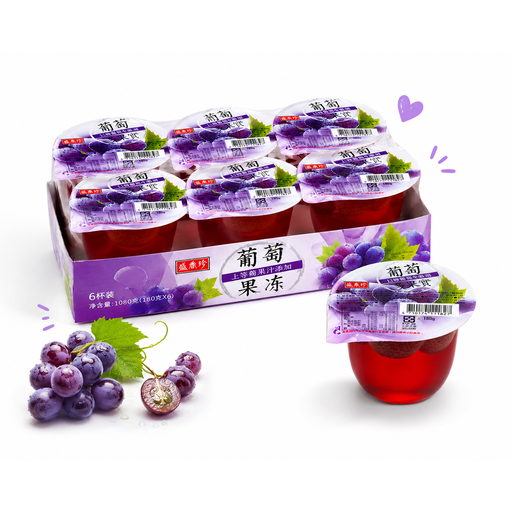
Why it suits this profile: The pack contains 6 servings of 180 grams. This makes it suitable for families, sharing or keeping a supply at home and in the office.
The multipack contains individual servings and states that it includes fruit pulp. This means you do not need to keep a large opened pack for several days.
6 × 180 g, grape flavour with pulp, 63.2 kcal per 100 g and suitable for serving chilled.
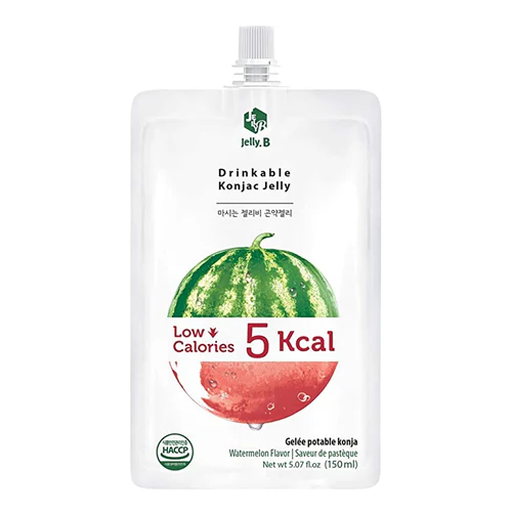
Why it suits this profile: The 150 ml pack is compact and, according to the product information, ready to use straight away. The watermelon flavour and chilled serving make it ideal for a light snack break.
The nutritional information is provided per 100 ml: 1.6 kcal and 0 grams of carbohydrates. This makes it easier to estimate the serving size in advance.
150 ml pouch, 1.6 kcal per 100 ml according to the label and no stated allergens.
We have put together a complete, up-to-date list of products that fully meet these strict selection criteria and the applicable European safety regulations.
No. Nutritional values vary depending on the recipe. For example, Keumkang Lychee lists 3 kcal per 100 grams, while Shimonita Salt Lychee lists 115 kcal per 100 grams. Sugar, syrups and serving size make a noticeable difference. Always compare products per 100 grams or 100 ml.
This varies from product to product. A jelly may contain plant-based ingredients, but that is not enough to choose a vegan or halal product without checking. Look at the product specifications, any certification and the allergen information. According to the product information, Delief Vegan Collagen Konjac Jelly Lychee has both characteristics.
In general, unopened products should be stored in a cool, dry place away from direct sunlight, unless the packaging provides different instructions. After opening, some drinkable jelly products need to be refrigerated and consumed quickly. Always check the best-before date and do not use a pack if it is damaged. Also keep compact jelly products out of the reach of young children and chew carefully before swallowing.
