
Vandaag of morgen in huis

Kwaliteit gegarandeerd

Welkomstaanbiedingen ontgrendelen: GRATIS bezorging | Tot 80% korting | Gratis 30 dagen JoyPlus-proefperiode
Download de app
Konjac jelly is popular with people looking for a low-calorie snack to enjoy on the go. Its soft, drinkable texture and fruity flavours, such as peach, lychee, mango and watermelon, make it a tempting choice for the office, a train journey or after a workout.
But colourful packaging doesn’t tell you everything. If you’re looking to buy konjac jelly, it’s worth comparing the nutritional information, ingredients and portion sizes. Read on to find out which pitfalls to watch out for and which products suit different situations.
Nutritional information on the label is usually given per 100 grams or 100 millilitres. However, a pouch may contain 120, 130 or 150 grams. So a product with 5 kcal per 100 grams contains around 6 kcal in a 120-gram pouch. Always check both the amount per 100 grams and the total contents of each pouch.
A sugar-free jelly may contain sweeteners such as erythritol, sucralose, acesulfame K or steviol glycosides. That’s not the same as a product with no sweet taste. Check the full ingredients list if you want to avoid certain sweeteners.
Some varieties, on the other hand, contain regular sugar or glucose syrup. For example, TARAMI Oishii Konjac Jelly Grape lists 14.1 grams of sugars per 100 grams. Its Japanese origin doesn’t automatically make it a low-calorie or sugar-free choice.
A strawberry, peach or mango on the packaging doesn’t mean the product is mostly fruit. The product specifications may show that it contains only a small amount of juice or concentrate. For example, Delief Konjac Jelly Lychee lists lychee concentrate powder at 0.01%. The fruity flavour also comes from flavourings and other ingredients.
So, if you’re looking for a distinct fruit flavour, check for terms such as fruit juice, juice concentrate and flavourings, as well as the exact percentages in the ingredients list.
If you’re choosing a low-calorie snack, these details are particularly useful:
TARAMI Strawberry lists 44 kcal per pouch and 5 grams of dietary fibre, according to the product information. Its ingredients include sugar, resistant dextrin and several sweeteners. That’s why it’s important to check both the nutrition table and the ingredients list.
Ideally, a vegan konjac jelly contains no milk, gelatine or other animal-derived ingredients. Check each product individually, as “vegan” in the product name is no substitute for checking the current packaging.
Delief Vegan Collagen Konjac Jelly Peach lists plant-based collagen-like material from carrot. According to the product specifications, it contains no milk, egg, fish, shellfish, nuts or peanuts as ingredients. However, it is made in an environment where these allergens are handled. If you have an allergy, always check the packaging.
Keumkang Jelly B Yogurt contains a yoghurt base with milk, so it isn’t suitable for vegans. The ingredients list may also be more useful than the front of the pack if you’re vegetarian.
Konjac jelly isn’t the same as ordinary drinking yoghurt. Its gel-like texture is created with konjac powder and other thickening or gelling agents, such as carrageenan, gellan gum, xanthan gum or pectin. This means the texture varies from one brand to another.
Follow the packaging instructions for firmer jelly. For example, ORIHIRO Purunto Orange advises gently squeezing the jelly out of the pouch and chewing it thoroughly. Keep an eye on the pouch while eating, and don’t let young children use the product unsupervised.
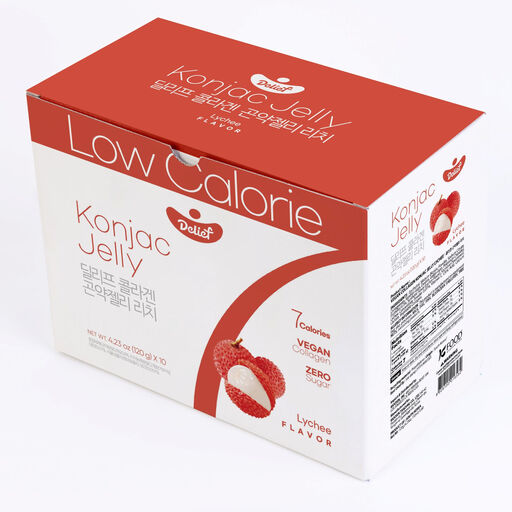
Why it suits this shopper: The pack contains 10 pouches of 120 grams, making it handy if you want to take several snacks with you or keep some at home.
The product information lists 6 kcal and 0 grams of sugar per 100 grams. Check the current packaging for the full nutrition table.
Korean fruit jelly with lychee flavour, 10 × 120 g and an ingredients list with no allergens listed.
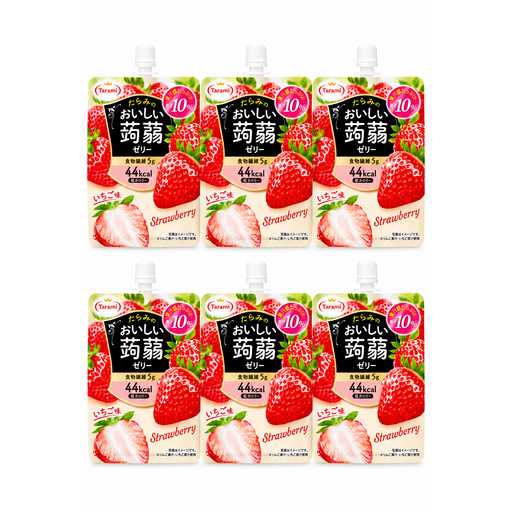
Why it suits this shopper: This Japanese konjac jelly is a good fit if you’re after a distinct strawberry flavour and a larger portion per pouch.
The product description specifically lists 44 kcal per pouch and 5 grams of dietary fibre. The ingredients list also includes sugar and sweeteners.
Japanese origin, 6 × 150 g and strawberry juice in the ingredients list.
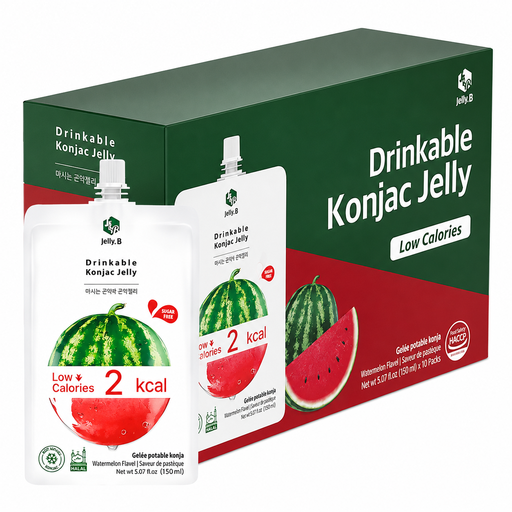
Why it suits this shopper: This multipack is handy if you regularly take a Korean drinkable jelly to work, school or on the go.
The product specifications list 1.6 kcal and 0 grams of sugar per 100 grams. Check the current labelling and portion size before buying.
Watermelon flavour, 150 ml per pouch, 10 pouches per pack and South Korean origin.
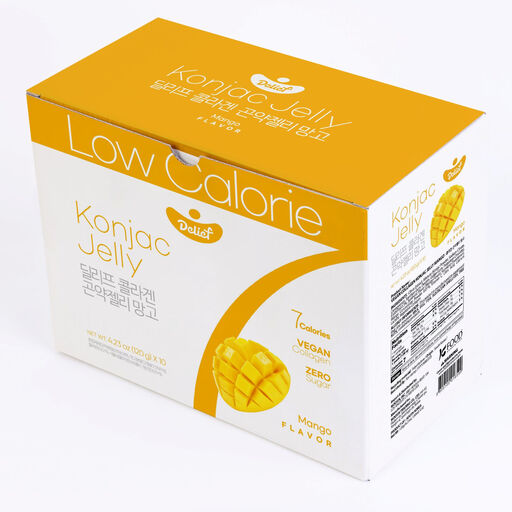
Why it suits this shopper: The product description presents this mango jelly as plant-based and ready to eat, in a compact size that’s easy to take with you.
The product information lists 5 kcal and 0 grams of sugar per 100 grams. The manufacturer also notes that it may be made in an environment where allergens are handled.
Mango flavouring, a ready-to-eat pouch, 10 × 120 g and plant-based collagen-like material, according to the product description.
We’ve put together a complete, up-to-date list of products that meet these strict selection criteria and the applicable European safety regulations.
No. Many varieties are low in calories, but that’s not true of every product. Jelly containing sugar or glucose syrup may have a significantly higher energy content. Check the kcal per full pouch. Products with the same fruit flavour can also vary considerably in sugar content.
It depends on the product. Check for milk, yoghurt, gelatine and other animal-derived ingredients. The Keumkang Yogurt variety contains milk, while some Delief products are sold as vegan. If you have allergies or dietary preferences, always check the latest packaging.
Unopened pouches should generally be stored in a cool, dry place away from direct sunlight, according to the product information. Once opened, consume the product straight away or within the stated timeframe. An opened pouch will usually need to be refrigerated. Always follow the instructions on the label.
