
Vandaag of morgen in huis

Kwaliteit gegarandeerd

Welkomstaanbiedingen ontgrendelen: GRATIS bezorging | Tot 80% korting | Gratis 30 dagen JoyPlus-proefperiode
Download de app
Want to buy konjac jelly, but keep seeing the same promises: low calorie, sugar-free, real fruit flavour and convenient for on-the-go? Then it pays to compare. Not every Asian jelly is the same. The main differences are the sugar content, size, texture and how you intend to enjoy the snack.
For example, a pack with an appealing fruit flavour may contain a lot of sugar. Conversely, a sugar-free jelly may use sweeteners that not everyone enjoys. “Konjac” also does not automatically mean that a product is low in calories. So look beyond the front of the packaging.
A fruit jelly can be low in fat while still containing a relatively high amount of sugar. According to the product information, Orion Lychee Kernels Jelly contains 70 kcal and 15 grams of sugar per 67-gram serving. Yuki & Love Litchi Flavoured Jellies lists 96 kcal and 21 grams of sugar per 100 grams.
By contrast, drinkable jelly products may contain erythritol and sweeteners. Jelly B Konjac Jelly Lychee lists 3 kcal and 0 grams of sugar per 100 grams. Always check whether the nutritional values are given per 100 grams, per pouch or per serving. This prevents misleading comparisons.
Some products contain fruit juice concentrate or fruit pulp, but also sugar, fructose-glucose syrup, thickeners and flavourings. Strong Konjac Jelly lists a minimum fruit content of 40% for its different flavours. Want Want Vidor Jelly Drink Lychee mentions lychee juice and coconut jelly, among other ingredients, but also contains sugar and fructose-rich syrup.
According to the brands’ or sellers’ own product information, “real fruit flavour” can therefore mean different things. Read the ingredients list if you are specifically looking for lychee jelly, mango jelly or peach jelly with a clear proportion of juice or pulp.
A 150- or 155-gram jelly pouch is practical for work, school or when you’re out and about. A multipack containing 20-gram portions is more convenient if you want to take smaller quantities with you. A pack containing 400 grams plus an additional 80 grams is mainly suitable for sharing at home.
Also pay attention to the instructions for use. Some products can be squeezed or drunk straight from the pouch; others contain pieces of nata de coco or fruit that should be eaten slowly. Jelly can also present a choking hazard. Always follow the warnings on the packaging. Do not give products containing jelly pieces to young children without supervision.
Start by comparing these points:
According to the product information, Hethstia Konjac Jelly Apple contains 3 kcal and 0 grams of sugar per 100 grams. The peach version lists 4 kcal per 100 grams. These values are based on the product specifications provided; check the current packaging when your order arrives.
Konjac powder, together with other gelling agents, creates the characteristic soft, elastic texture. The exact texture may vary:
Also check for thickeners such as carrageenan, gellan gum or xanthan gum if you want to avoid particular ingredients. Always check allergens on the packaging. Product information may change, and the packaging takes precedence.
An individual pouch is lightweight and easy to take with you. After opening, some products need to be refrigerated and consumed within two days. Unopened jelly should generally be stored in a cool, dry place away from direct sunlight. Check the best-before date on the packaging.
A multipack may offer better value for regular use. A small pack is more practical if you want to try a flavour first. Also consider waste: several individual portions are convenient, but create more packaging waste than one larger pack.
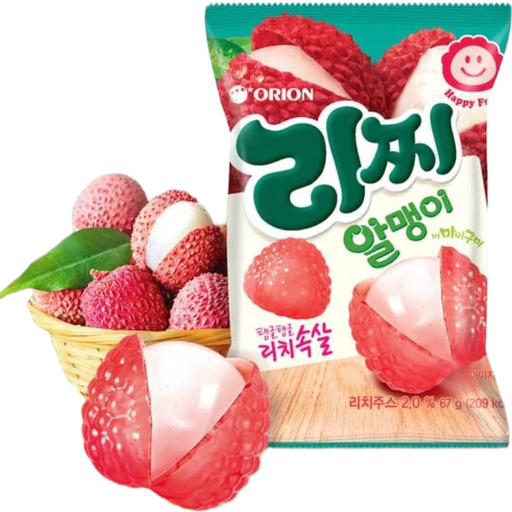
Why it suits this profile: The 67-gram pack is a convenient way to try a lychee jelly snack without immediately buying a large supply.
The serving size is clearly stated. You can also see that the jelly contains lychee juice concentrate and lychee kernel pieces, as well as sugar.
67 grams per pack, 70 kcal per serving and a combination of soft jelly with lychee kernel pieces.
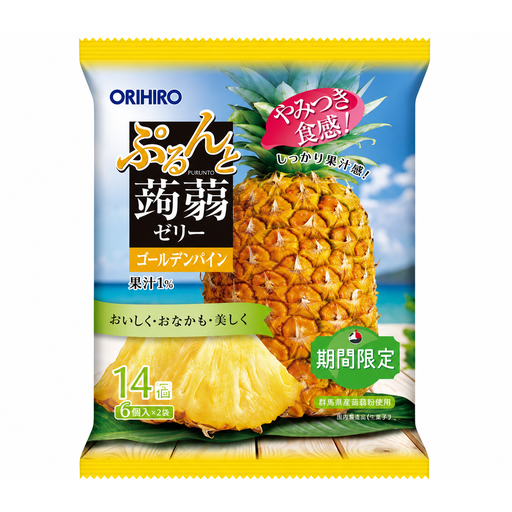
Why it suits this profile: The six individual 20-gram portions are ideal for anyone who wants to serve or take Japanese konjac snacks with them in small quantities.
The nutritional value is given per 20-gram serving: 14 kcal. This makes the portion size clearer than with products described only per 100 grams.
Six portions, pineapple flavour, konjac powder and 14 kcal per serving according to the product information provided.
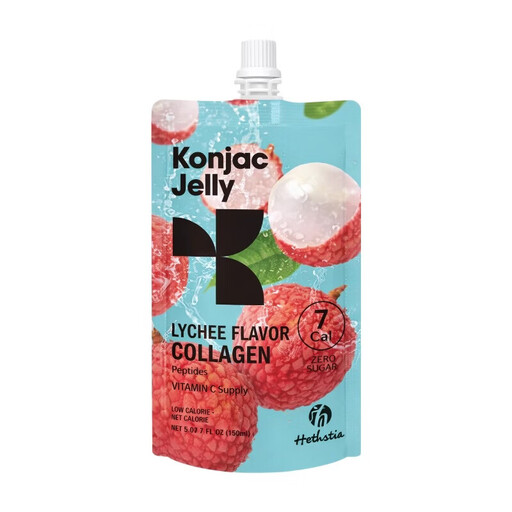
Why it suits this profile: The resealable individual pouch is designed for enjoying on the go, at the office or during a short break.
The product information states 7 kcal per 100 grams, 0 grams of sugar and that it can be enjoyed straight from the pouch. Check these claims against the label when it arrives.
155 grams per pouch, lychee flavour, konjac flour and a stated energy value of 7 kcal per 100 grams.
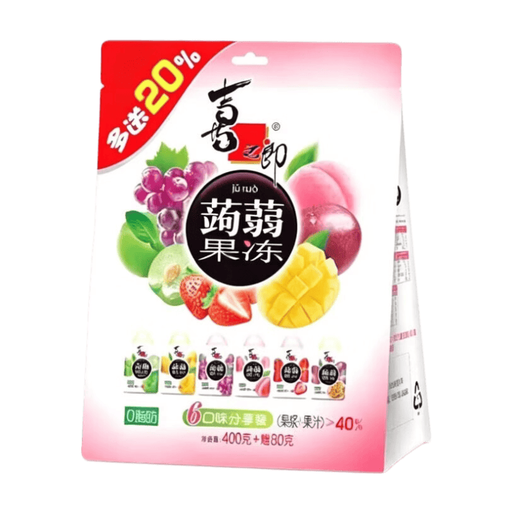
Why it suits this profile: The large pack contains several fruit flavours, including mango, peach, strawberry, red grape, passion fruit and green plum.
The product description gives the fruit content for each flavour. At the same time, the nutritional values show that the varieties contain approximately 107 to 111 kcal per 100 grams.
Total contents of 480 grams, six flavours and at least 40% fruit juice or fruit pulp according to the product information.
We have put together a complete, up-to-date list of products that fully meet these strict selection criteria and the applicable European safety regulations.
No. Konjac jelly refers to a gelled snack made with konjac powder. Drinkable jelly usually comes in a soft pouch and can be sucked or squeezed directly from the pack. Some varieties also contain pieces of fruit or nata de coco. Check the instructions for use and the texture before ordering.
It varies by product. According to the product specifications, Hethstia Konjac Jelly Lychee and Jelly B Konjac Jelly Lychee contain 0 grams of sugar per 100 grams. Orion Lychee Kernels Jelly and Yuki & Love Litchi Flavoured Jellies do contain sugar. Always check the nutritional table and ingredients list; “fruity” or “low calorie” does not automatically mean sugar-free.
Store an opened pouch according to the label. Several Hethstia varieties state that the product should be refrigerated and consumed within two days. Store unopened products in a cool, dry place away from direct sunlight. Do not use damaged packaging, and check the best-before date before consumption.
