
Vandaag of morgen in huis

Kwaliteit gegarandeerd

Welkomstaanbiedingen ontgrendelen: GRATIS bezorging | Tot 80% korting | Gratis 30 dagen JoyPlus-proefperiode
Download de app
Konjac jelly is a firm favourite among fans of Korean jelly, Japanese jelly and other Asian snacks. The handy portions, refreshing fruit flavours and soft, chewy texture make this snack ideal for home, the office or on the go. However, not all pouches and cups are the same. The differences often lie in the ingredients, sweeteners, portion size and how you eat the jelly.
A flavour like lychee, mango or grape doesn’t tell you much about the fruit content. Always check the ingredients list and the declared percentage of fruit juice or fruit purée. For example, Want Want Rock Jelly Strawberry contains 1% strawberry juice concentrate according to the product information. That makes it a strawberry-flavoured jelly, but not the same as a snack with a high fruit content.
Even in a fruit jelly with fruit pieces, sugar, glucose syrup and thickeners can make up a large part of the recipe. So don’t just look at the front of the packet.
A jelly snack can be low in calories thanks to the use of erythritol, sucralose or other sweeteners. Another product may contain sugar but still have a relatively low energy value per 100 grams. So always compare:
Nutritional values can also be listed per portion and per 100 grams. This can make direct comparisons tricky.
Drinkable jelly from a jelly pouch is designed to be squeezed out and eaten straight away. Other products come in small cups or firm pieces. Konjac and similar gelling agents can give a smooth, elastic texture. Eat slowly and chew thoroughly. Different products carry a choking warning and are not suitable for young children. Always follow the instructions on the packaging.
Check whether the product contains milk powder, fruit allergens or other ingredients you want to avoid. Want Want Rock Jelly Strawberry, for example, contains milk powder in a separate sachet. Shimonita 100% Juice Jelly Grape lists apple as an allergen.
If you’re looking for vegan jelly, look for products where vegan is explicitly stated in the product information. Delief Vegan Collagen Konjac Jelly Lychee is described as vegan and halal. The term “vegetarian collagen” here refers to a plant-based alternative, according to the product description; it is not animal collagen. If you have a dietary requirement or allergy, always check the actual packaging.
For those seeking halal jelly or gluten-free jelly, a clear product declaration or certification is important. Keumkang Jelly B Konjac Jelly is described in the supplied information as halal and gluten-free. If anything changes, always rely on the label of the packaging you receive.
A jelly pouch of 120 to 150 ml fits neatly in a bag and is practical for on the go. A multipack of 10 pouches makes more sense if you regularly eat drinkable jelly. Cups of 106 to 180 grams are better suited for home, a lunchbox or sharing.
Also pay attention to storage instructions. Many products need to be kept cool, dry and out of direct sunlight. Once opened, some varieties must be refrigerated and consumed quickly.
Choose based on your taste preference:
Bear in mind that “natural flavour” or “with fruit” doesn’t automatically mean a product is free from sweeteners, sugar or flavourings.
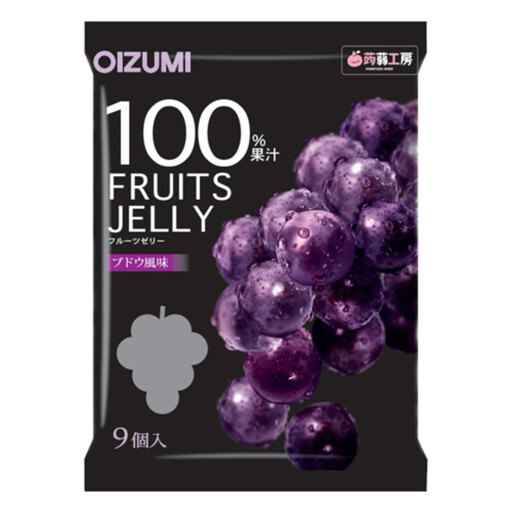
Why this fits the profile: A straightforward 150-gram portion with grape flavour and a stated energy value of 15.5 kcal per piece.
The nutritional information is listed per piece, so you don’t have to rely solely on the flavour name. Apple is listed as an allergen.
Japanese fruit jelly with grape and apple juice; 0 g fat and 0 g protein per piece according to the product information.
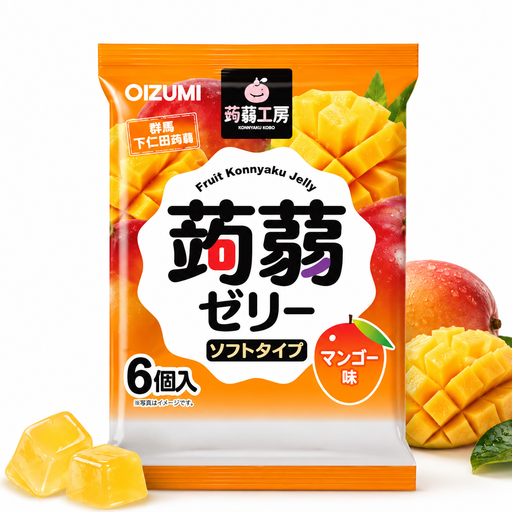
Why this fits the profile: For those seeking a Japanese konjac jelly with a firm, chewy texture and mango flavour.
The product description clearly mentions konjac as part of the texture and states 0 g fat and 0 g protein.
106 grams per pack; 100 kcal per 100 grams according to the stated nutritional information.
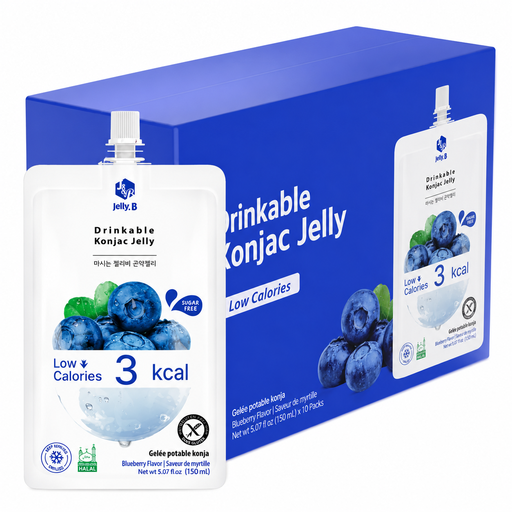
Why this fits the profile: A multipack of ten drinkable jelly portions of 150 ml for stocking up at home, the office or on the go.
The product information states halal and gluten-free. Still check the label and preparation warnings upon delivery.
Blueberry flavour, portion packaging and a recipe with erythritol and konjac thickener.
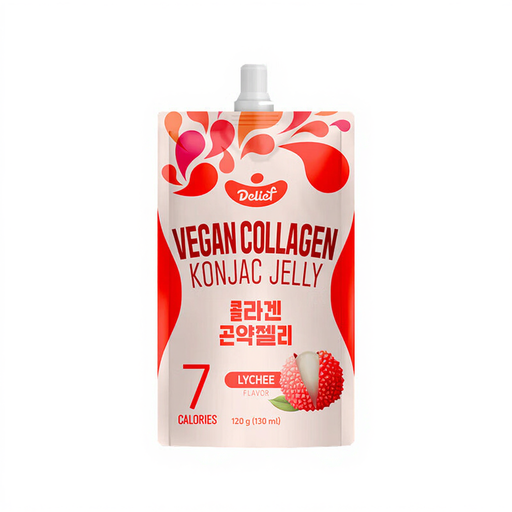
Why this fits the profile: A small lychee jelly portion for shoppers who are specifically looking for a vegan and halal snack that’s low in energy.
The product information states vegan, halal and no allergens. The label remains the authority if you follow a specific diet.
120 grams; according to the stated values, 4 kcal and 0 grams of sugar per 100 grams.
We’ve put together a full, up-to-date list of products that fully meet these strict selection criteria and comply with current European safety regulations.
That depends on the recipe. Some varieties contain around 3 to 5 kcal per 100 grams, while a sweetened fruit jelly can contain significantly more. Check the nutritional information table and the total contents of the pack.
Store an unopened jelly pouch according to the instructions on the packaging, usually in a cool, dry place out of direct sunlight. Once opened, you should generally keep it refrigerated and eat it quickly. Do not use any packaging that is bloated, leaking or damaged.
Not automatically. The smooth, elastic texture can pose a choking hazard. Some packs state that the product is not suitable for young children. Read the warning, let children eat slowly and follow the manufacturer’s instructions.
