
Vandaag of morgen in huis

Kwaliteit gegarandeerd

Welkomstaanbiedingen ontgrendelen: GRATIS bezorging | Tot 80% korting | Gratis 30 dagen JoyPlus-proefperiode
Download de app
A konjac jelly might seem simple at first glance: fruity jelly, a handy squeeze pouch and few calories. Yet products differ considerably in ingredients, portion size, texture and usage. If you only look for words like “sugar-free”, “keto” or “with vitamin C”, you could end up buying a product that doesn’t quite fit your own eating pattern.
As Joybuy Product Recommendation Officer, I filter the key information from product descriptions so you can compare marketing claims with verifiable data on the label.
A sugar-free konjac jelly can contain sweeteners such as erythritol, maltitol or intense sweeteners. So don’t just look at “sugar-free” on the front; also check:
For example, Jelly B Konjac Jelly Mango states 0 grams of sugar and 6.8 grams of erythritol per 100 ml. Hethstia products typically list around 3 to 7 kcal per serving, but the nutritional values vary by flavour. Always check the packaging of the variant you’re buying.
Konjac flour is used for the elastic, soft structure. Carrageenan, gellan gum or other thickeners can further affect the bite. Some products are soft and can be squeezed straight from the pouch; others have a firmer, more bouncy texture.
A Japanese jelly snack like ORIHIRO Purun and Standing Orange is made with konjac flour from Gunma Prefecture, according to the product description, and has a firm texture. The manufacturer also advises that you should chew the jelly as you eat it from the packaging. That’s relevant usage information, especially if you’re looking for a snack on the go.
Some packaging features konjac jelly with vitamin C or konjac jelly with collagen. Treat this as a product specification, not a medical promise. According to the product information, certain Hethstia variants contain vitamin C and collagen peptides. That doesn’t change the fact that a jelly snack usually provides little protein and few other nutrients.
If you eat a vegan diet, you need to look extra carefully at the ingredients. Collagen peptides are not vegan. The Hethstia Blueberry is described as vegan in the product information, while the variants with collagen are not.
Compare products on the same basis. A label may show nutritional values per 100 grams, per 100 ml or per individual squeeze pouch. A serving of 150 or 155 grams makes a difference to your final calorie intake.
Pay particular attention to:
A low-calorie snack can fit well into a mindful eating pattern, but it doesn’t replace a full meal. Even “keto snack” depends on your total daily carbohydrate intake and the precise nutritional values.
For a gluten-free snack, check that gluten-containing grains are absent and that the packaging doesn’t mention a warning about traces. The Hethstia jellies mentioned don’t list any allergens in the product information. Jelly B Mango also states a halal certification and a gluten-free composition.
For vegans, fruity variants without collagen or dairy ingredients are the more logical choice. Keumkang Jelly B Yogurt, on the other hand, contains milk powder and whey, so it’s not a vegan snack.
A squeeze pouch jelly is practical for work, school, travel or a walk. Do check:
Hethstia states for several variants that you can squeeze the jelly straight from the pouch and that the opened product should be refrigerated and consumed within one to two days. ORIHIRO advises consuming immediately after opening. Always follow the label on the product you receive.
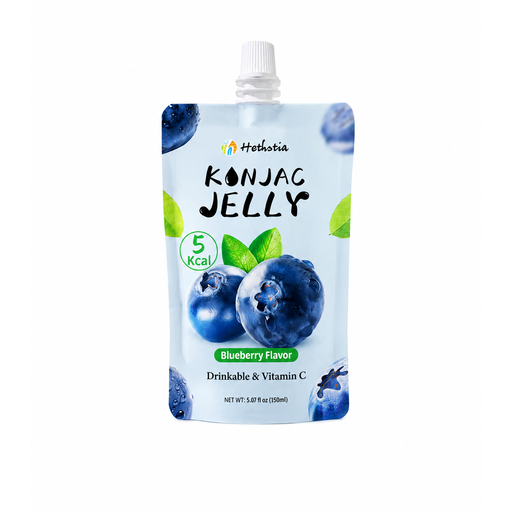
Why this fits the profile: The individual pouch is easy to take with you and contains 5 kcal per pack, according to the product information. The blueberry flavour is ideal for anyone wanting to try a fruity jelly snack without buying a multipack straight away.
The product page shows concrete nutritional values per pouch and lists the packaging as an individual serving. This means you have less guesswork about the quantity.
5 kcal per pouch according to the product information, fat-free, gluten-free and vegan as per the listed product specifications.
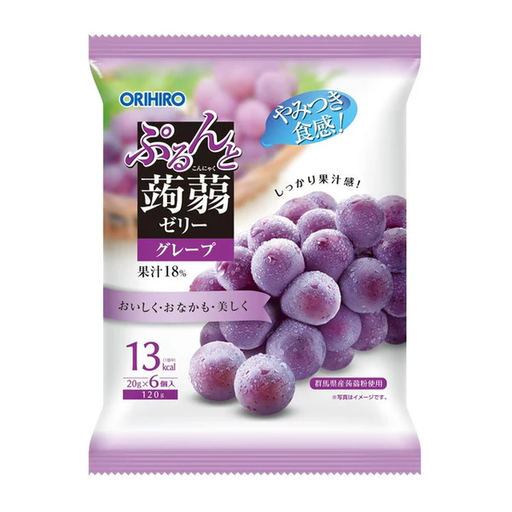
Why this fits the profile: This Japanese multipack contains six individually wrapped jellies. It suits those who enjoy a firmer, chewy texture and households that want to store or share multiple servings.
The product information states the number of pieces, the total weight and the advice to chew thoroughly while eating. This makes the usage instructions clearer than a general claim about convenience.
6 individually wrapped servings, grape flavour and 7 kcal per 100 grams according to the product information.
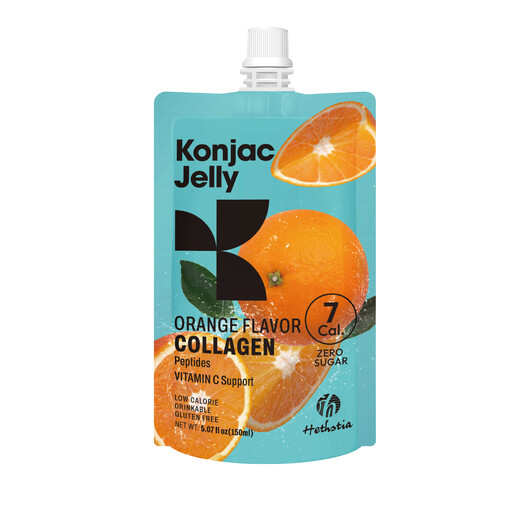
Why this fits the profile: The ten individual pouches are practical for regular use at the office, while travelling or after exercise. The orange flavour and soft texture make it an accessible choice for anyone who values convenience.
The product description mentions 7 kcal per pouch, the quantity of ten pieces and the storage rule after opening. This makes it easier to plan portions and usage in advance.
10 individually wrapped pouches, no added sugar according to the product information, and contains collagen peptides and vitamin C.
We’ve put together a full, up-to-date list of products that fully meet these strict selection criteria and comply with current European safety regulations.
Yes, an individual pouch is light, ready to use straight away and doesn’t need to be cut or prepared. Store the product according to the label and check whether refrigeration is needed after opening. With firmer jellies, it’s important to eat slowly and chew thoroughly.
This varies by brand and flavour. Hethstia states for several variants that an opened pouch should be refrigerated and consumed within one to two days. ORIHIRO states for the orange variant mentioned that it should be eaten immediately after opening. The best-before date and usage instructions on the packaging are what you should follow.
No. Many fruity variants don’t list any allergens and some are offered as gluten-free or vegan, but always check the current label. A product with collagen peptides is not vegan. A yoghurt flavour may contain milk ingredients. Even with a gluten-free diet, the allergen information on the packaging remains important.
