
Vandaag of morgen in huis

Kwaliteit gegarandeerd

Welkomstaanbiedingen ontgrendelen: GRATIS bezorging | Tot 80% korting | Gratis 30 dagen JoyPlus-proefperiode
Download de app
A konjac jelly snack might seem straightforward at first glance: a soft, fruit-flavoured jelly in a squeezy pouch. But products vary widely in sugar content, portion size, ingredients and ease of use. If you only look at a colourful packet or words like “light”, you could end up buying something that doesn’t fit a keto or low-carb diet, or that sits untouched at home because the taste disappoints.
These three common pitfalls are worth watching out for:
If you’re watching your calories or sugar intake, the nutritional values per 100 grams or 100 millilitres are key. Also look at the values per pouch or piece. For example, Hethstia lists around 3 to 7 kcal per serving and 0 grams of sugar for several flavours, depending on the product label. The ingredients typically include water, fruit concentrate, erythritol, konjac flour and gelling agents.
In contrast, COZZO Fruit Jelly Sticks: according to the product information, this jelly contains 104 kcal and 26 grams of sugar per 100 grams. That makes it unsuitable if you’re specifically looking for a sugar-free jelly or keto snack, but it’s a good option if you want a sweet fruit jelly assortment for a party, lunchbox or travel.
Also pay attention to terms like carbohydrates, sugars and polyols, such as erythritol. The way nutritional values are displayed can differ from product to product. Always use the label on the packaging as your reference.
Konjac jelly usually contains konjac powder or konjac flour as part of the gelling mix. Other ingredients may include fruit concentrate, citric acid, carrageenan, gellan gum, colourings and sweeteners.
If you’re looking for a gluten-free snack or vegan konjac jelly, check the full label. Hethstia Blueberry is described in the product information as vegan, fat-free and gluten-free. DELIEF Vegan Collagen Konjac Jelly Green Grape mentions plant-based “collagen” derived from carrot. This is an ingredient description, not evidence of any medical or cosmetic effect.
For varieties with konjac jelly with collagen, collagen peptide is listed as an ingredient. If you follow a vegetarian or vegan diet, check whether the source of the ingredient matches your preference. The term “collagen” alone doesn’t provide enough information.
A jelly in a squeezy pouch is lightweight, takes up little space and can be eaten straight away. That makes this type ideal as a healthy snack for on the go, at the office or on a day out. Store opened pouches according to the label; for several Hethstia products, it states they should be refrigerated after opening and consumed within one to two days.
Individually wrapped jelly sticks are handy for sharing. With young children, pay attention to the texture and the usage instructions on the packaging. Eat slowly and always follow the manufacturer’s guidelines.
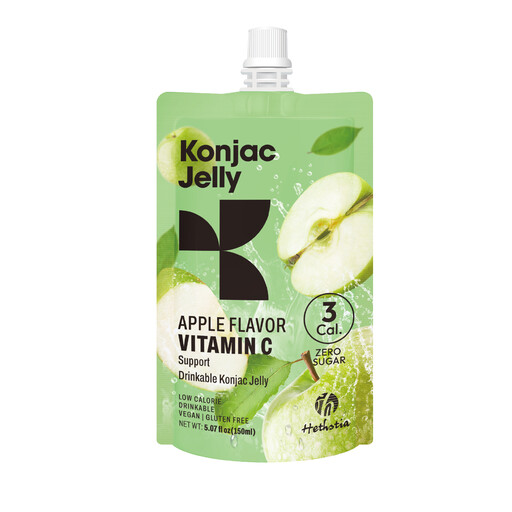
Why this suits the profile: A single pouch is a simple way to try konjac jelly without committing to a large pack.
The product information states 0 grams of sugar, a low energy value and an individual squeezy pouch. Always check the current label before purchase.
Apple flavour, 150–155 grams per pouch, gluten-free according to the product description and ready to eat straight from the pack.
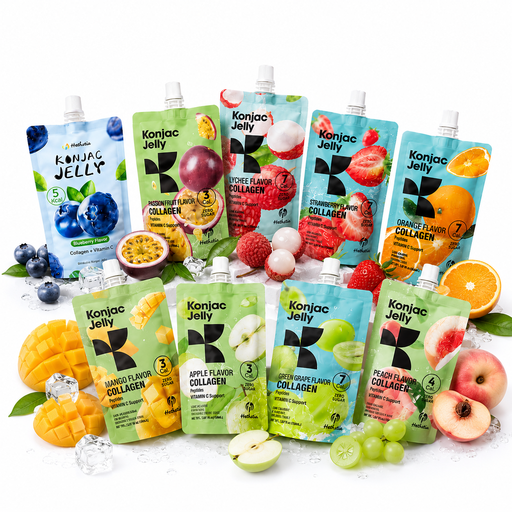
Why this suits the profile: A multipack with different flavours gives you room to compare and is practical for regular use.
You don’t have to blindly buy one flavour in bulk. Check the ingredients, allergen information and nutritional values for each variant.
Eight 155-gram pouches and a variety of fruit flavours. The product descriptions list collagen peptides and vitamin C as ingredients.
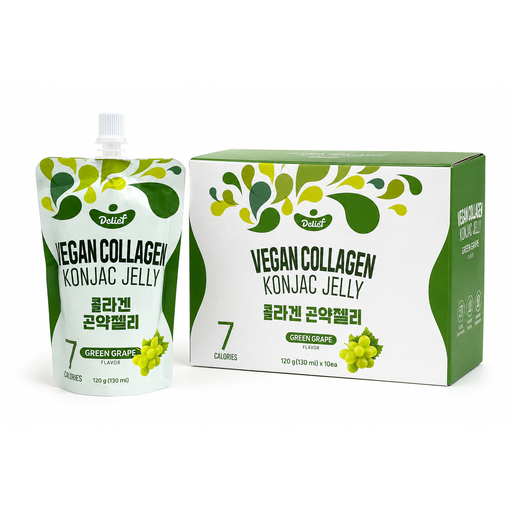
Why this suits the profile: Ten portions are ideal for anyone who often takes a snack to work, school or on the go, and wants a vegan option.
The packaging consists of individual portions. According to the product information, this variant contains 5 kcal and 0 grams of sugar per 100 grams.
Ten sachets, green grape flavour, vegan designation and no listed allergens in the product information.
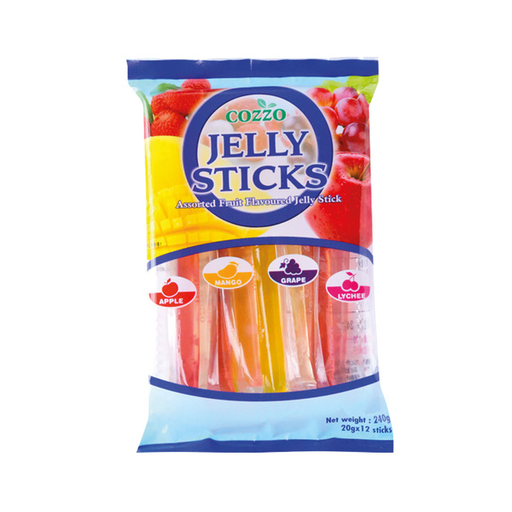
Why this suits the profile: The twelve individually wrapped sticks in four fruit flavours are perfect for sharing, parties, lunchboxes and travel.
The nutritional values make it clear this is not a sugar-free or keto snack: the label states 26 grams of sugar per 100 grams.
240 grams total, four flavours and individual packaging. The manufacturer lists no allergens from the 14 major EU allergens.
We’ve put together a full, up-to-date list of products that fully meet these strict selection criteria and comply with current European safety regulations.
No. Many products are low in calories, but that’s not true for every variety. For example, COZZO Fruit Jelly Sticks lists 104 kcal per 100 grams, while some Hethstia variants contain between 3 and 7 kcal per serving according to their product information. Always check the nutritional table and the portion size.
That depends on the product and your daily dietary goals. A pouch with 0 grams of sugar and few carbohydrates can fit more easily into a keto or low-carb pattern than a jelly with sugar or fructose-glucose syrup. Also check the total amount of carbohydrates and sweeteners on the label. The term “keto-friendly” is a product claim, not personal dietary advice.
Store unopened jelly according to the instructions on the packaging, usually in a cool, dry place. Some pouches need to be refrigerated after opening and used within one or two days. A squeezy pouch is designed for immediate consumption; do not use it if the packaging is damaged or the shelf-life information is missing.
