
Vandaag of morgen in huis

Kwaliteit gegarandeerd

Welkomstaanbiedingen ontgrendelen: GRATIS bezorging | Tot 80% korting | Gratis 30 dagen JoyPlus-proefperiode
Download de app
A konjac jelly might look simple at first glance: a fruity jelly in a pouch, ready to take with you. But products vary widely in their ingredients, portion size, sweeteners and packaging. If you only focus on the flavour or the colourful packaging, you could end up with a snack that doesn’t suit your diet or the occasion you had in mind.
The main pitfalls to watch out for:
A vegan jelly contains no animal gelatine or milk derivatives, but the term “collagen” on a pack deserves a closer look. In the Delief products featured here, plant-based collagen from carrot is listed. This is a product description, not a medical claim or health benefit.
For halal consumers, an explicit mention is important. The Delief Vegan Collagen Konjac Jelly Lychee 10 × 120g and the single Delief 120g variant are listed as halal and vegan according to the product information provided. The Jelly B Konjac Jelly Mango 150 ml is described as halal-certified. Always check the current packaging, as recipes and labels can change.
A low-calorie snack can be handy when you’re after a light treat, but make sure you compare the numbers correctly:
Also pay attention to sweeteners such as erythritol, sucralose and acesulfame-K. If you want to limit these ingredients, it’s worth reading the full ingredients list rather than just looking at the calorie count.
A jelly pouch of 120 to 150 ml fits easily into a bag and is ideal for on the go, at the office or in a lunchbox. Cups and sticks work better when you want to share the jelly at home or during a break.
A jelly multipack can work out cheaper per portion, but only buy in bulk if you like the flavour and can use it before the best-before date. Store unopened products as directed on the label – usually in a cool, dry place away from direct sunlight. Once opened, follow the instructions on the pack.
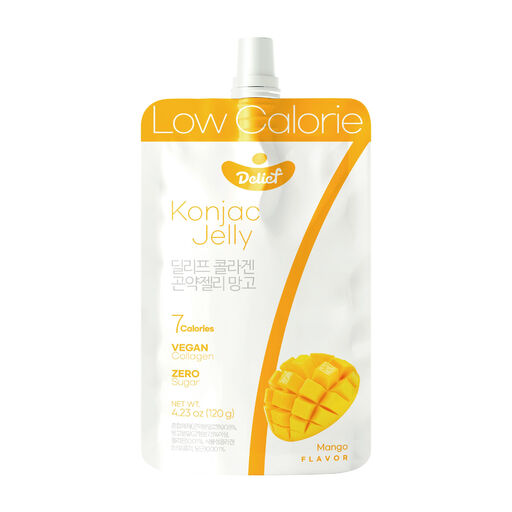
Why it fits this profile: A single portion is practical for trying a flavour first without committing to a multipack. This mango variant comes from South Korea and contains 4 kcal per 100 grams according to the product information.
The nutritional values and ingredients are clearly stated, so you won’t confuse “fruity” with a high fruit content.
120 grams per pack; vegan according to the product name; 0 grams of sugar per 100 grams as per the label.
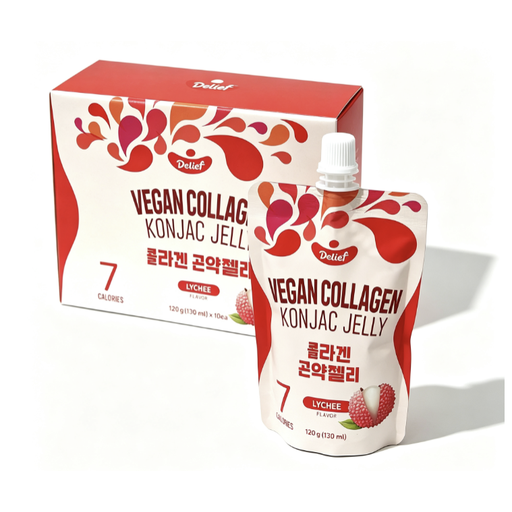
Why it fits this profile: This multipack is ideal for anyone who wants to take a Korean konjac jelly on the go regularly or keep a stock at home.
This variant is labelled vegan and halal, and lists the ingredients and nutritional information per 100 grams. Check the packaging on delivery.
10 portions of 120 grams; lychee flavour; 4 kcal and 0 grams of sugar per 100 grams according to the product information provided.
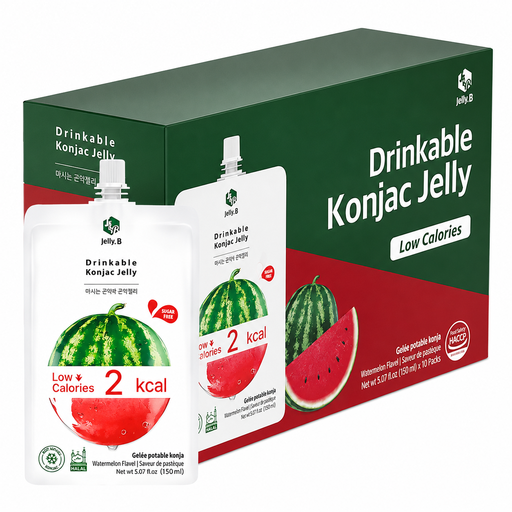
Why it fits this profile: The ten individual pouches are handy for work, travel, school breaks or keeping a steady supply of fixed portions in your cupboard.
The portions are pre-divided and the nutritional information is shown per 100 grams. This makes it easy to compare multipack size, content and calories at a glance.
10 × 150 ml; watermelon flavour; 1.6 kcal per 100 ml according to the product information.
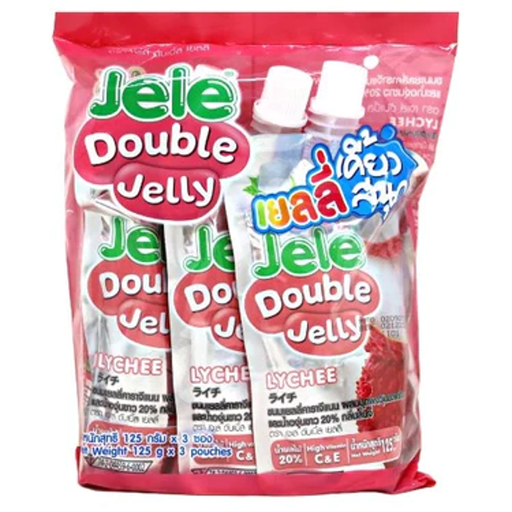
Why it fits this profile: The three cups are great for sharing and offer a combination of soft jelly and fruit pieces. This isn’t a low-calorie konjac pouch, but a sweeter fruit jelly.
The product information states 60 kcal and 15 grams of carbohydrates per portion. This makes the difference from sugar-free variants clear.
3 cups of 125 grams; dual texture; suitable for serving chilled. Not suitable for children under 3 years old according to the product warning.
We’ve put together a full, up-to-date list of products that fully meet these strict selection criteria and comply with current European safety regulations.
Some variants are low in calories, but that’s not true for every jelly. Check the nutritional information per portion and look out for sugar, carbohydrates and sweeteners. A regular gummy or fruit jelly can contain much more sugar than a drinkable konjac-based jelly.
Store unopened pouches as directed on the label – usually in a cool, dry place away from direct sunlight. Check the packaging and best-before date before opening. Once opened, follow the manufacturer’s instructions and consume the product within the stated time.
That depends on the brand and flavour. Delief states that certain lychee variants are vegan and halal. Jelly B Mango is described as halal-certified, while other products only provide allergen information. So always read the ingredients list and check the current packaging before you order.
