
Vandaag of morgen in huis

Kwaliteit gegarandeerd

Welkomstaanbiedingen ontgrendelen: GRATIS bezorging | Tot 80% korting | Gratis 30 dagen JoyPlus-proefperiode
Download de app
By Joybuy Product Recommendation Officer | July 28, 2026
Konjac jelly is popular as a quick, flavourful, and often low-calorie snack. This Asian treat, typically packaged in a convenient squeeze pouch or cup, is available everywhere. But not all fruit jellies are created equal. Some packages hide disappointments, from a watery texture to an unexpected amount of sugar. Before you make a choice, it's wise to know what to look for to avoid a disappointing purchase.
The shelves are filled with colourful packages that all look equally delicious. Yet, there are a few common pitfalls that consumers can easily fall into.
You don't need to be a label expert to make a good choice. Pay attention to the following three points, and you'll know exactly what you're getting.
Texture is everything when it comes to the experience. The ingredients list tells you exactly what to expect.
A healthy treat starts with understanding its sweetness.
The packaging determines how and where you enjoy your snack.
Below are a few popular choices, matched to different preferences.
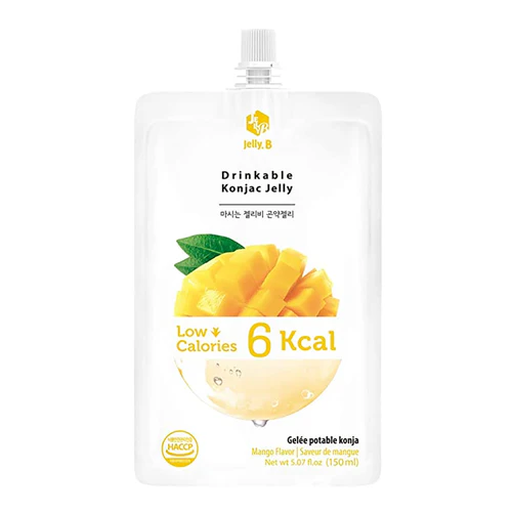
Why This Fits Their Persona: Ideal for those who want a flavourful treat without worrying about calories. Perfect as a post-workout snack or to satisfy a sweet craving.
This jelly completely bypasses the "sugar-free illusion." The nutritional information is transparent: only 3 kcal per 100 ml, thanks to the use of sweeteners instead of sugar.
Extremely low in calories (3 kcal/100ml) and sugar-free. The convenient squeeze pouch makes it a perfect on-the-go snack.
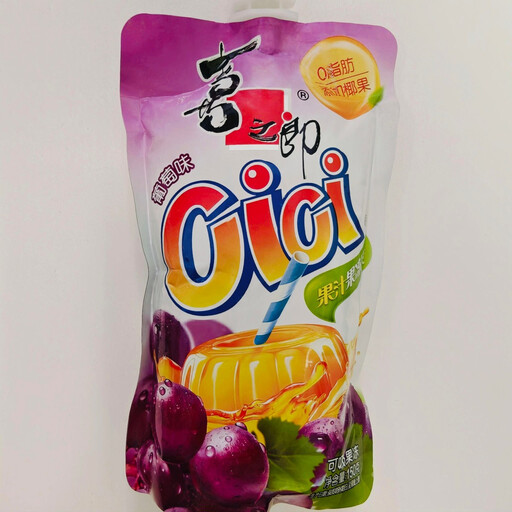
Why This Fits Their Persona: For those who want more than just a smooth jelly. The combination of konjac jelly with chewy nata de coco (coconut gel) provides a layered and satisfying snacking experience.
This product avoids the disappointment of a monotonous texture. The addition of nata de coco (≥3.5%) is clearly stated, so you know you're getting a snack with an extra bite.
Combines a smooth jelly drink with the chewy texture of nata de coco. Contains ≥15% fruit juice for a rich grape flavour.
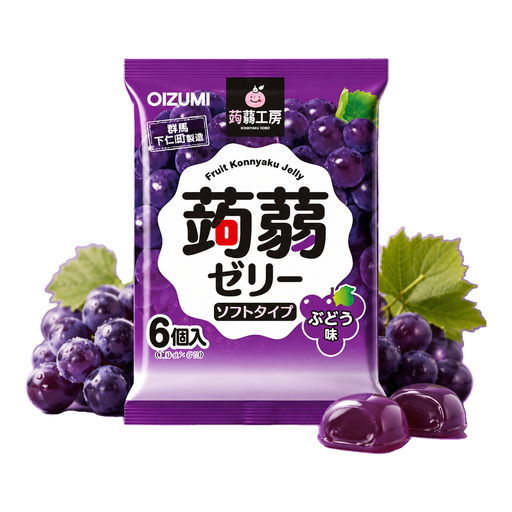
Why This Fits Their Persona: For those seeking an authentic Japanese jelly experience. This product offers the classic, firm konjac texture and a pure fruit flavour, without unnecessary extras.
This is a no-nonsense product. It avoids the pitfall of misleading marketing by delivering exactly what it promises: a traditional Japanese jelly with real grape juice and a satisfying texture.
Authentic product from Japan with a focus on the signature, soft-chewy konjac texture. Made with real grape juice for a natural flavour.
We have compiled a complete, up-to-date list of products that fully meet these strict selection criteria.
Konjac jelly can be a low-calorie choice, especially varieties without a lot of added sugar. The base, konjac powder, is a source of glucomannan fibre. However, it's always wise to check the ingredients list for sugar content and artificial additives. If you choose a variety that is low in sugar and calories, it can certainly be a responsible and healthy treat.
The main difference lies in the texture and base ingredients. Konjac jelly is made with konjac powder, which provides a unique, firm, and springy ('chewy') texture. Regular fruit jelly is often softer and made with other gelling agents like gelatin or carrageenan. Konjac varieties are also typically lower in calories.
A jelly in a squeeze pouch is designed for maximum convenience. You twist off the cap and squeeze the jelly directly into your mouth. It's a kind of drinkable jelly that you can eat without a spoon, ideal for on-the-go. Be careful with young children: it is safer to squeeze the jelly into a bowl first and cut it into smaller pieces to prevent a choking hazard.
