
Vandaag of morgen in huis

Kwaliteit gegarandeerd

Welkomstaanbiedingen ontgrendelen: GRATIS bezorging | Tot 80% korting | Gratis 30 dagen JoyPlus-proefperiode
Download de app
Looking for a flavourful and light snack? Then you've probably heard of konjac jelly. These popular Asian snacks from Japan and Korea are popping up everywhere. But not all fruit jellies are created equal. Before you put one in your basket, it's wise to know what to look for. Many products look tempting but hide pitfalls that lead to a disappointing purchase.
This guide will help you see through the marketing jargon and make the right choices. We'll cover the most common pitfalls and the specifications that truly matter.
The packaging promises a light, fruity experience, but the reality is sometimes different. These are the three most common disappointments:
To avoid a bad purchase, you don't need to be a nutritionist. Pay attention to the following three points on the packaging before you buy a konjac jelly.
The term healthy treat is relative. Always check the nutritional information table.
For an authentic fruit jelly taste, the percentage of real fruit is crucial.
The texture is determined by the quality of the konjac powder and the gelling agents used.
To help you with your choice, we have highlighted a few products that suit different preferences and lifestyles.
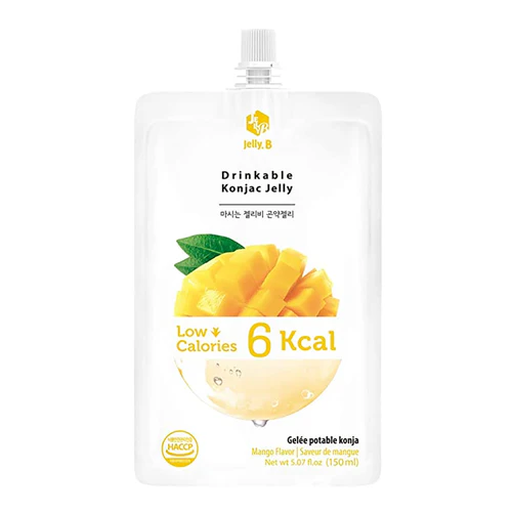
Why This Fits Their Persona: Ideal for those who strictly monitor their calorie intake. This Korean jelly in a convenient squeeze pouch is a perfect post-workout treat or a guilt-free snack.
This product completely bypasses the sugar trap. With only 3 kcal per 100 ml, sweetened with sucralose instead of sugar, it's a genuinely low-calorie choice.
Extremely low in calories (3 kcal/100ml). Halal and gluten-free, making it suitable for various dietary needs.
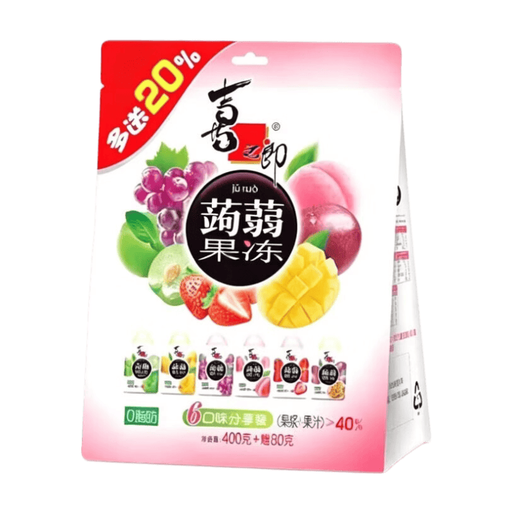
Why This Fits Their Persona: For those who prioritise taste and variety. This sharing pack is perfect for parties or simply for always having a different flavour on hand. The focus here is on a rich, fruity experience.
This product tackles the 'flavour illusion' pitfall. With a fruit content of ≥40% and the presence of real pulp, you can actually taste the fruit instead of just artificial flavourings.
Very high fruit content (≥40%) for a natural taste. Contains six different flavours, including peach, grape, and mango.
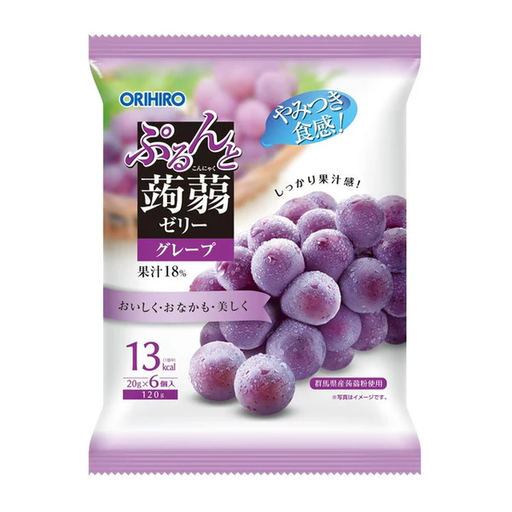
Why This Fits Their Persona: For those who want to try the authentic Japanese snack experience. Orihiro is an iconic brand, and this product offers the signature texture and convenient, individual portions that are popular in Japan.
This product delivers the authentic, springy texture you expect from a Japanese jelly, thus avoiding the disappointment of a watery or rubbery consistency.
From the renowned Japanese brand Orihiro. Very low in calories (approx. 7 kcal/100g) and packed in 6 convenient, individual portions.
We have compiled a complete, up-to-date list of products that fully meet these strict selection criteria and local regulations.
Answer: It can be a healthier choice compared to traditional sweets, provided you choose the right variety. Its health value depends entirely on the ingredients. Opt for a konjac jelly with little to no added sugar, a low calorie count, and preferably real fruit juice. The konjac plant itself is a source of glucomannan, a dietary fibre.
Answer: Most konjac jellies are shelf-stable and can be stored at room temperature in a cool, dry place, away from direct sunlight. After opening, it is recommended to consume the jelly immediately. Many people find the taste and texture better when the jelly is chilled, so feel free to store them in the refrigerator for an extra refreshing experience.
Answer: Konjac jelly has a unique, firm, and elastic texture. Because of this, it can pose a choking hazard, especially for young children or if eaten too quickly. The warning "chew thoroughly before swallowing" is a standard safety measure to ensure you enjoy the snack without risks. It is not a sign of a bad product, but rather of an authentic, firm texture.
