
Vandaag of morgen in huis

Kwaliteit gegarandeerd

Welkomstaanbiedingen ontgrendelen: GRATIS bezorging | Tot 80% korting | Gratis 30 dagen JoyPlus-proefperiode
Download de app
Konjac jelly is popular with fans of Korean, Japanese and Taiwanese snacks. Its soft texture, fruity flavours and convenient portion packs make it suitable for eating on the go, at work or as a chilled dessert. However, products vary considerably in their ingredients, sugar content, serving size and texture.
As a Joybuy Product Recommendation Officer, I filter product information based on verifiable points. This helps you avoid choosing solely because of attractive packaging or a term such as “low-calorie”.
Always check the nutritional values per 100 grams and per pack. A 150-gram jelly drink may contain few calories per 100 grams, but still provide a relatively high amount of sugar if you drink several pouches. WANT WANT Vittorio Jelly Drink, for example, lists 61 kcal and 13 grams of sugar per 100 grams. In a 150-gram pouch, that works out at approximately 92 kcal and 19.5 grams of sugar.
By comparison, Jelly B Konjac Jelly Blueberry lists 10 kcal per 150 ml serving, with 2 grams of sugar. Nutritional values may vary by flavour and batch, so also check the actual label.
Words such as lychee, mango, peach or grape on the front reveal little about the percentage of fruit. Check the ingredients list and the order in which the ingredients are listed. Some varieties contain fruit juice concentrate or flavouring, while others offer jelly with fruit pulp.
For example, SHENG XIANG ZHEN White Peach Jelly Cups list 8% white peach. The mandarin and grape varieties list 5% fruit juice and fruit ingredients respectively. This is more informative than simply showing an image of fruit on the packaging.
A drinkable jelly in a pouch is convenient for eating on the go, but it is not the same as a jelly dessert in a cup or an individually wrapped stick. Look out for:
Always follow the warnings on the packaging. Do not give jelly casually to young children; its firm, slippery texture may pose a risk. Also check the packaging before use and consume an opened product according to the stated storage instructions.
If you follow a vegan or halal diet, do not rely solely on product photos. Check the current packaging and product information. The Joybuy listing describes DELIEF Vegan Collagen Konjac Jelly Lychee as vegan and halal. The “collagen” used is described there as plant-based material derived from roots. Recipes may also change for other products.
Look out for ingredients such as:
The absence of the 14 major EU allergens from a product description does not replace checking the label. If you have an allergy or intolerance, the packaging is the definitive source of information.
Do not compare only “kcal per 100 grams”. Also check the net weight:
A low-calorie jelly may suit someone looking for a small snack, but the product still needs to be considered alongside the full ingredients list and your overall diet. No medical or health claims are made here.
For a family, office or snack drawer, a multipack can be better value and more practical. FRUIT 100% STICK JELLY contains individually wrapped sticks and weighs 1.46 kg. According to the product description, this variety is made with 100% fruit juice and contains no added sugar, artificial colourings or preservatives. Always check this on the packaging, especially when choosing a specific flavour such as mango, grape or apple.
A multipack with six cups, such as SHENG XIANG ZHEN Fruit Jelly, is particularly suitable for sharing. Individual pouches are more convenient when you want to take a Korean snack or Japanese jelly with you on the go.
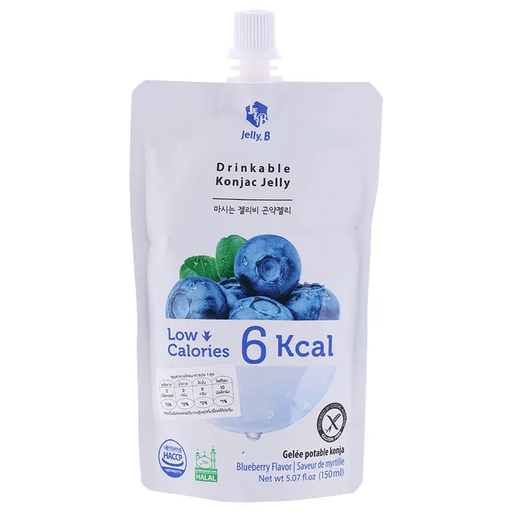
Why This Fits Their Persona: A compact pouch for anyone trying konjac jelly for the first time or looking for a snack for work, school or travel.
The listing provides both the 150 ml volume and the nutritional values and ingredients, so you do not have to rely solely on the term “low-calorie”.
According to the product information: 10 kcal per serving, 2 grams of sugar and halal-certified. Chilling is recommended for the best flavour and texture.
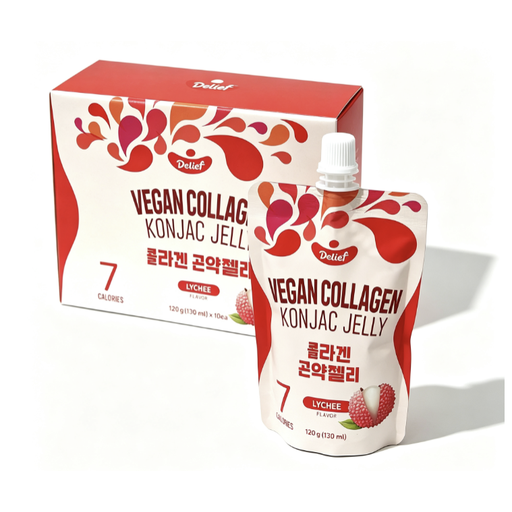
Why This Fits Their Persona: A lychee-flavoured multipack for households that want to keep several portions available and consider dietary labels important.
The product listing describes it as vegan and halal, while the ingredients list refers to plant-based “collagen” derived from roots. Check the current packaging before buying.
According to the product information: 10 pouches of 120 grams, 4 kcal per 100 grams and none of the listed allergens.
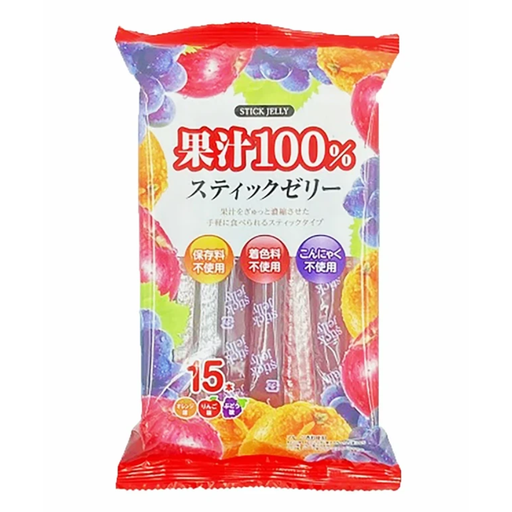
Why This Fits Their Persona: Individually wrapped sticks are ideal for a snack supply, sharing occasions or families where everyone chooses their own portion.
The portions are individually wrapped, so you do not have to repeatedly reseal a large opened pack.
According to the product description: 100% fruit juice, no added sugar and a total weight of 1.46 kg. The listed nutritional value is 25 kcal per serving.
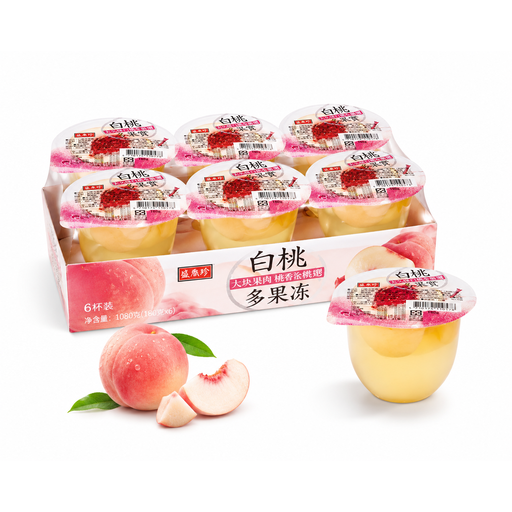
Why This Fits Their Persona: A Taiwanese jelly dessert for anyone who prefers eating from a cup and wants pieces of white peach in their jelly.
The stated fruit percentage makes it clear how much white peach is included. You can therefore choose based on product information rather than just the image.
According to the product listing: 6 cups of 180 grams, 8% white peach and 75 kcal per 100 grams. Serving chilled is recommended.
Browse a current selection of natural fruit jelly and compare flavours, portions, ingredients and multipacks in one place.
Not always. Konjac jelly uses konjac powder as part of its gelling structure and is often sold as a drinkable jelly in a pouch. Fruit jelly may come in a cup, stick or multipack and may contain agar, pectin or other gelling agents. Check the ingredients list if the texture or composition is important to you.
According to the product information, unopened products can generally be stored in a cool, dry place away from direct sunlight. Some varieties must be refrigerated after opening and used within a specified period. Always follow the label. Several product listings state that chilling can improve the flavour and texture.
A mild lychee jelly, peach jelly or mango jelly is an accessible starting point if you enjoy sweet fruit flavours. For a fresher option, try blueberry, passion fruit, grape or mandarin. If you want a different texture, choose jelly with fruit pulp or pieces. Only then consider larger multipacks, so you do not end up with a large supply of a flavour that is not right for you.
