
Vandaag of morgen in huis

Kwaliteit gegarandeerd

Welkomstaanbiedingen ontgrendelen: GRATIS bezorging | Tot 80% korting | Gratis 30 dagen JoyPlus-proefperiode
Download de app
A konjac jelly might look simple at first glance: a soft jelly in a squeezy pouch, often with a fruity flavour and few calories. However, products vary widely in ingredients, portion size, sweeteners, allergens and usage. If you only look for words like “light”, “vegan” or “sugar-free”, you could end up choosing a product that doesn’t really suit your diet.
This buying guide will help you objectively compare a konjac jelly snack, jelly drink or savoury konjac snack. The selection below is based on verifiable information from product listings, such as nutritional values, packaging, ingredients and origin.
A sugar-free jelly can still contain sweeteners such as erythritol, sucralose or acesulfame-K. That isn’t necessarily a problem, but it’s important to check the label if you want to avoid certain sweeteners.
Also pay attention to the difference between:
For example, Jelly B Konjac Jelly Lychee states 0 grams of sugar per 100 grams, while the ingredients list includes erythritol, sucralose and acesulfame-K.
“Lychee”, “mango” or “peach” on the packaging doesn’t automatically mean a high fruit content. Check whether fruit juice concentrate, flavouring or both are used. In some varieties, the juice concentrate is only a small part of the ingredients.
According to the product description for Jelly B Konjac Jelly Peach, this variety contains pear juice concentrate and natural flavouring. So the name and description aren’t quite the same: always check the actual packaging before you order.
A pouch with 3 to 10 kcal can be handy as a light snack, but it usually provides little protein and fat. It’s therefore wiser to see a konjac jelly as a small snack or refreshment, not as a full meal.
Also pay attention to the texture. Konjac jelly is elastic and is usually eaten straight from a pouch. Take small bites, chew slowly and follow the usage instructions on the packaging. Don’t just give this type of product to young children; always check the manufacturer’s age and safety information.
First compare the values per 100ml or 100 grams, and then the total pouch. A 150ml pack with 3 kcal per 100ml contains about 4.5 kcal per pouch, while a product with 10 kcal per 100ml works out at around 15 kcal.
Look at least at:
For example, the 7FRESH Crispy Konjac and Edible Fungus lists 580 mg of sodium per 100 grams. That’s a clearly different nutritional profile from a fruity jelly drink.
Don’t judge a vegan konjac jelly by the front of the packaging alone. Check the ingredients and allergen declaration. The Delief Vegan Collagen Konjac Jelly Lychee lists vegetarian collagen derived from carrot, no allergens and a vegan designation in the product information.
With savoury varieties, different points come into play. The Yan Jin Pu Zi MOWON Konjac Snack Sesame Paste Flavor contains, according to the product listing, soya, sesame and wheat. This makes the snack less suitable for people who need to avoid these allergens.
A single pouch is handy for work, school or on the go. Multipacks are often more practical if you regularly use a konjac jelly drink. When comparing, look at the price per pouch, not just the total price.
Useful questions when choosing:

Why this fits the profile: A single 150ml portion is straightforward for anyone wanting to try a fruity konjac jelly for the first time without buying a large pack straight away.
The product listing shows the ingredients and nutritional values per 100ml. This means you can check sweeteners and sugar content rather than relying solely on the fruit name.
150ml per pouch, 3 kcal per 100ml according to the product information, and none of the 14 major EU allergens listed.
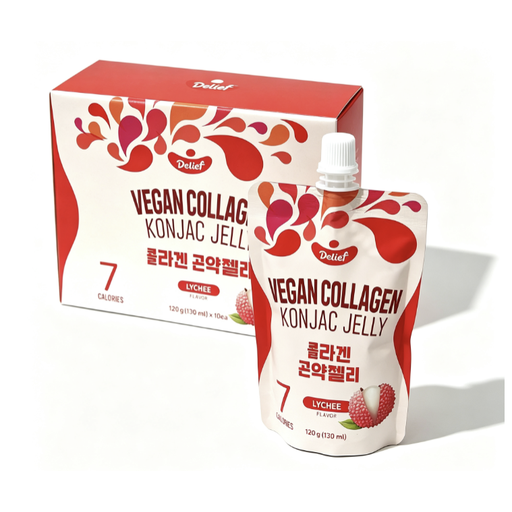
Why this fits the profile: The multipack suits consumers who regularly want to take a vegan option with them or keep some at home.
The product information explicitly states vegan, halal and no allergens. Do check these features again on the packaging if you follow a specific dietary rule.
10 × 120 grams, 4 kcal and 0 grams of sugar per 100 grams according to the listing; the fibre value is not specified.
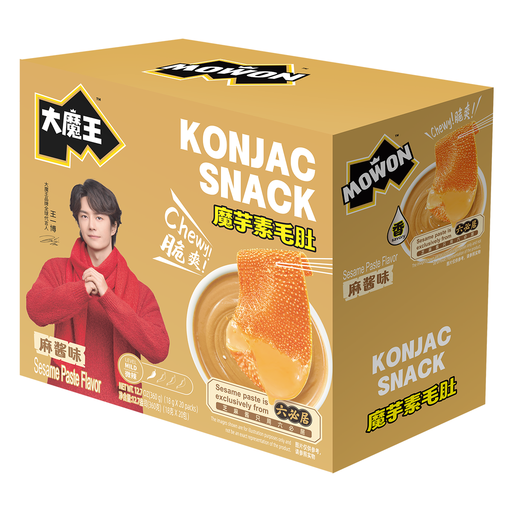
Why this fits the profile: This savoury Asian snack is aimed at those looking for a firm bite and sesame flavour rather than a sweet fruit jelly.
The individual portions make the quantity and usage clear. The product listing also mentions soya, sesame and wheat, so allergens can be checked in advance.
20 sachets of 18 grams, 92 kcal per 100 grams and ready to eat according to the product information.
We’ve put together a full, up-to-date list of products that fully meet these strict selection criteria and comply with current European safety regulations.
No. Drinkable fruit jelly often contains few calories, but savoury varieties with oil, sauce or sesame can have significantly more energy. So compare the nutritional value per 100 grams and per full portion.
Often yes. Many pouches can be stored unrefrigerated as long as they remain sealed and are kept according to the instructions. Check the storage instructions and choose a product with a sturdy, undamaged pack. After opening, a jelly sometimes needs to be refrigerated and used within a short time, according to the product information.
A konjac jelly drink is usually fruity, soft and designed to be squeezed from a pouch. A savoury konjac snack often has a firmer texture, sauce or seasoning, and is more commonly eaten as an Asian snack. Choose based on flavour, nutritional values, allergens and when you plan to eat the snack.
