
Vandaag of morgen in huis

Kwaliteit gegarandeerd

Welkomstaanbiedingen ontgrendelen: GRATIS bezorging | Tot 80% korting | Gratis 30 dagen JoyPlus-proefperiode
Download de app
Looking for a low-calorie snack that's both delicious and convenient? You've probably heard of konjac jelly. These Asian snacks, often packaged as a drinkable jelly in a handy squeeze pouch jelly, are incredibly popular. But not all konjac jellies are created equal. Some packages hide disappointments, from a watery taste to misleading claims.
As a Joybuy Product Recommendation Officer, I'm here to help you make the right choices. We'll look past the marketing and focus on what truly matters. Below, we'll discuss the most common pitfalls and what to look for, so you can find a fruit jelly that's perfect for you.
Before you make a purchase, it's good to know what can go wrong. Many consumers make the same mistakes, lured by attractive packaging or vague promises.
fruit jelly expecting a rich, fruity flavour, but instead, you taste mostly water with a hint of aroma. This often happens with products that have a low percentage of real fruit juice. Manufacturers use mainly water, sugar, and artificial flavourings, resulting in a disappointing, weak texture and taste.healthy treat because they are low in calories. But "low-calorie" doesn't always mean "sugar-free." Some varieties contain high-fructose corn syrup or other sugars that can quickly add up in calories. It's crucial to check the label for the sweeteners used and the total sugar content.To avoid a bad purchase, there are a few objective specifications you should always check. These determine the quality, taste, and suitability of the snack.
The flavour of a fruit jelly depends directly on its ingredients.
The unique, firm texture of Japanese jelly comes from konjac powder.
How you plan to eat the snack determines the ideal packaging.
drinkable jelly. It's hygienic, easy to carry, and you don't need a spoon. Ideal for on the go, at the office, or during a workout.konjac jelly often comes in small, individual cups. Fun for sharing, but less practical for on the go.Below are some popular choices, matched to different needs and preferences.
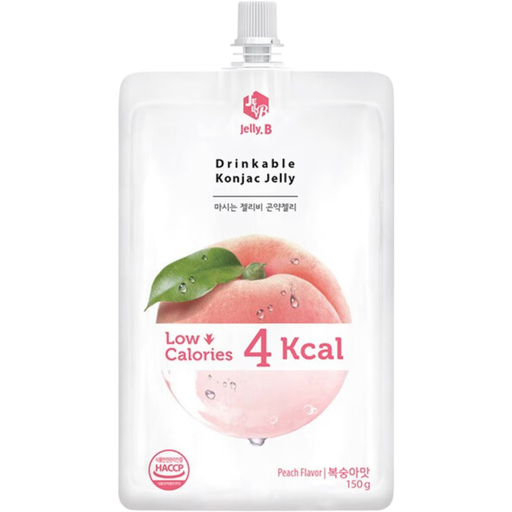
Why This Fits Their Persona: Perfect for those who need a quick, light, and mess-free snack for their bag or desk. The drinkable jelly in a squeeze pouch is the ultimate form of convenience.
This product bypasses the "hidden sugars" trap by using erythritol as a sweetener, keeping the total calorie count extremely low (10 kcal per pouch). The ingredient list is clear about the sweeteners used.
Extremely low-calorie: One of the lightest options on the market.
Convenient squeeze pouch: Ideal for mess-free consumption.
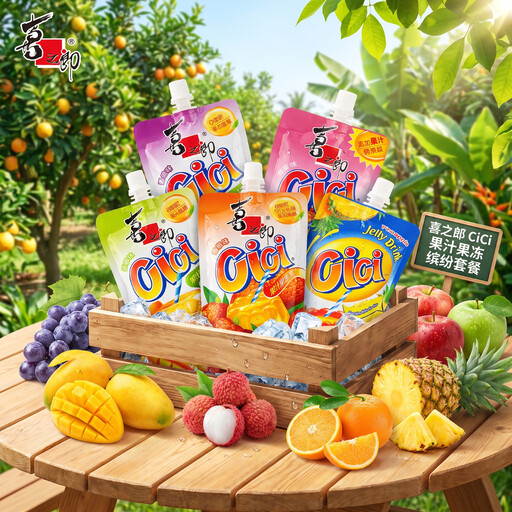
Why This Fits Their Persona: For those who love variety and sharing snacks with family or friends. This multipack contains six different fruit flavours, so there's something for everyone.
This pack tackles the "watery taste" trap by offering a clear variety. The product information from the Strong brand often mentions a high fruit juice content, ensuring a full flavour instead of a watery disappointment.
Six flavours in one: Includes apple, orange, mango, pineapple, grape, and lychee.
Bulk packaging: With a total of 900g, it's ideal for stocking up or sharing.
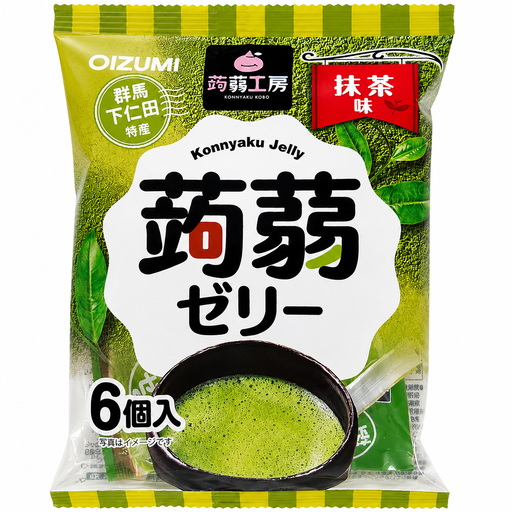
Why This Fits Their Persona: For those seeking an authentic `Japanese jelly` experience. The unique, refined taste of matcha is a departure from standard fruit flavours.
This product avoids the trap of generic flavours. The specific matcha taste, from a Japanese brand, offers an authentic and distinctive experience that you won't mistake for a watery imitation.
Authentic Japanese flavour: Made with matcha paste for a characteristic, slightly bitter taste.
Individual packaging: Convenient to take one piece at a time.
We have compiled a complete, up-to-date list of products that meet these strict selection criteria and comply with current regulations.
Konjac jelly can be a smart choice if you're looking for a low-calorie snack. The base, konjac, is a fibre that contains almost no calories. Whether it's a healthy treat depends on the additives. Pay attention to the amount of sugar and the type of sweetener on the label. Varieties sweetened with erythritol are often significantly lower in calories than those with sugar or high-fructose corn syrup.
Most konjac jellies can be stored at room temperature in a cool, dry place. Many people find them most delicious when chilled. A squeeze pouch jelly is ready to eat immediately. For cups, you might need a spoon, although many people eat them directly from the packaging. Always read the instructions on the package.
Although the base (konjac) is the same, there can be subtle differences. Japanese jelly, like the one from Shimonita, often has a slightly firmer, more "chewy" texture. Korean varieties, such as Jelly B, are sometimes softer and more focused on a drinkable jelly experience. The flavours can also differ; Japanese brands more often offer traditional flavours like matcha, while Korean brands sometimes experiment with flavours like yoghurt.
