
Vandaag of morgen in huis

Kwaliteit gegarandeerd

Welkomstaanbiedingen ontgrendelen: GRATIS bezorging | Tot 80% korting | Gratis 30 dagen JoyPlus-proefperiode
Download de app
Konjac jelly is a popular snack. These Asian treats, often packaged in convenient squeeze pouches or as jelly sticks, are seen as a lighter alternative to traditional sweets. But not all fruit jellies are created equal. The packaging often makes big promises, but the contents can be disappointing. Before making a purchase, it's wise to know what to look for to avoid choosing a product that doesn't meet your expectations.
Here are a few common pitfalls:
To make an informed choice, it's helpful to check three key specifications on the packaging. This will help you see through marketing claims and find a product that's right for you.
The term "low-calorie snack" is relative. The base ingredient, konjac, is virtually calorie-free, but the sweetness has to come from somewhere. Check the ingredients list and the nutritional information table.
The unique, firm texture of konjac jelly comes from konjac powder. The amount used and its combination with other binders, such as carrageenan (E407) or xanthan gum, determine the final structure. A higher konjac content usually leads to a firmer bite. This explains the difference between a firm jelly stick and a smoother, drinkable jelly.
An authentic fruit flavour comes from real fruit. Some brands list the percentage of fruit juice or pulp on the packaging. A higher percentage (e.g., ≥20%) often indicates a richer, more natural taste. If the ingredients list mainly states "flavouring" without any fruit juice, the chance of an artificial taste is higher.
Based on these objective criteria, we have selected a few products that cater to different needs and preferences.
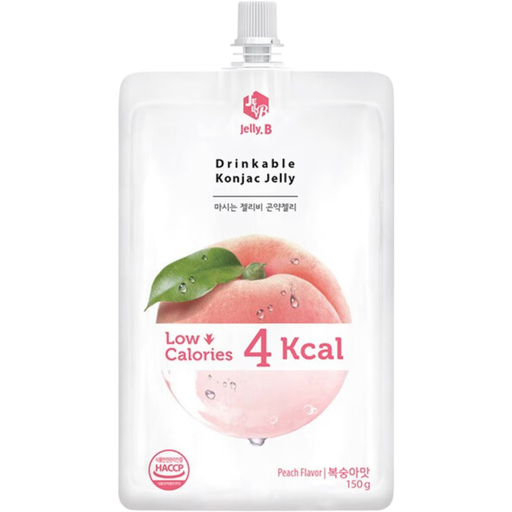
Why This Fits Their Persona: Ideal for those seeking a tasty yet very low-calorie snack. This Korean jelly is a popular choice for a guilt-free treat, fitting a health-conscious lifestyle.
This product bypasses the "low-calorie" trap by using erythritol, a sweetener with virtually no calories. As a result, the sugar content is very low (2g per serving).
Very low in calories (10 kcal per 150 ml). Convenient squeeze pouch for on-the-go. Made with real peach juice concentrate.
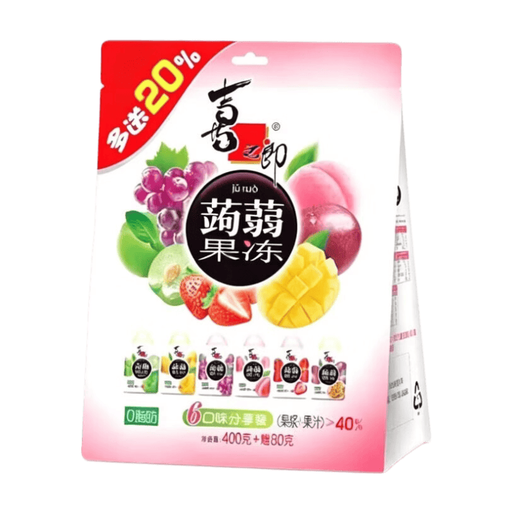
Why This Fits Their Persona: For those who prioritise flavour above all else. This jelly focuses on a rich, authentic fruit experience, where a higher sugar content is acceptable in exchange for a full-bodied taste.
This product avoids the artificial flavour trap. The manufacturer states that each serving consists of at least 40% real fruit (juice and pulp), ensuring a natural taste.
High real fruit content (≥40%). A sharing pack with six different flavours, such as peach, mango, and passion fruit.
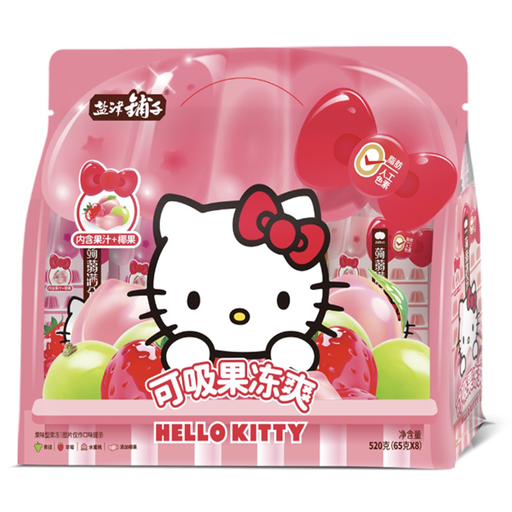
Why This Fits Their Persona: Perfect for parents looking for a fun, portioned snack for their children, or for adults who want an easy and cheerful treat. The Hello Kitty packaging adds to its appeal.
This product offers a predictable and pleasant texture by adding nata de coco (coconut gel), which provides an extra bite and prevents the "watery" disappointment.
Fun Hello Kitty packaging. A mix of three flavours (peach, strawberry, grape). Added nata de coco for extra texture.
We have compiled a complete, up-to-date list of products that meet these selection criteria and comply with current regulations.
No, there's a key difference. Most Asian snacks like these are made from konjac powder, derived from the konjac plant. This provides a unique, often firmer and chewier texture. Traditional fruit jelly is typically made with gelatin (animal-based) or pectin (plant-based). Konjac jelly is naturally high in fibre and usually contains fewer calories than jellies based on sugar and gelatin.
Most konjac jelly in squeeze pouches is shelf-stable, so you can easily store them in your bag or desk drawer. However, almost all manufacturers recommend eating the jelly chilled or even slightly frozen. The cold enhances both the flavour and texture, providing an extra refreshing experience.
For specific brands like Jelly B or Orihiro jelly, you can check specialty Asian supermarkets. Additionally, online platforms like Joybuy offer a wide assortment, making it easy to find and compare different types of konjac jelly from the comfort of your home.
