
Vandaag of morgen in huis

Kwaliteit gegarandeerd

Welkomstaanbiedingen ontgrendelen: GRATIS bezorging | Tot 80% korting | Gratis 30 dagen JoyPlus-proefperiode
Download de app
The search for healthy snacks can sometimes feel like navigating a maze. You see a colourful fruit pouch and think you're making a responsible choice, but are you? Konjac jelly, a popular Japanese treat, is often marketed as the ideal low-calorie snack. However, there are pitfalls you can easily fall into.
Before you fill your shopping basket, it's wise to be aware of a few common problems:
This guide will help you recognise these pitfalls and make a choice that truly fits your needs.
To make an informed choice, it's helpful to check two key specifications. These determine whether the snack is as low-calorie and delicious as you hope.
The term 'konjac jelly' is used for a variety of products. It's crucial to read the label to understand exactly what you're consuming.
The unique, springy texture is what sets konjac jelly apart.
Not all konjac jelly is created equal. Below are a few popular choices, matched to different preferences.

Why This Fits Their Persona: Perfect for those on a strict diet or closely monitoring their calorie intake. This snack delivers full flavour without the calories.
This product is explicitly labelled 'Zero calories' and uses erythritol instead of sugar, so there are no surprises.
Authentic Shine Muscat grape flavour with zero calories; the springy texture makes for a satisfying snack.
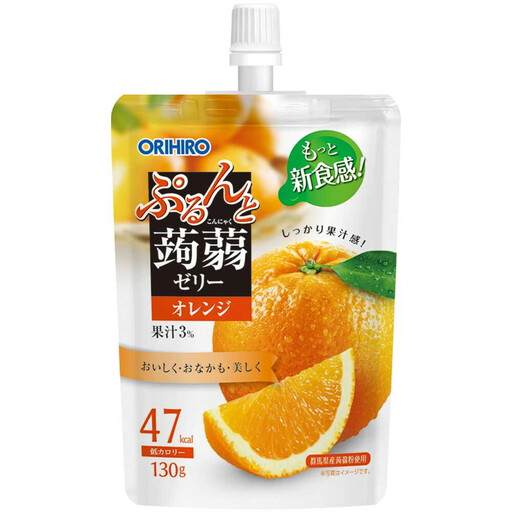
Why This Fits Their Persona: Ideal for those who prioritise a rich, authentic fruit flavour over zero calories. A small number of calories are used here to create a noticeably better taste experience.
The nutritional information is transparent (47 kcal per serving), and the flavour comes from real orange juice, avoiding the artificial taste of some 'zero' products.
Juicy orange flavour with a good balance of sweet and sour. It remains a very low-calorie snack.

Why This Fits Their Persona: A classic and beloved grape flavour is a safe and delicious introduction to the world of Japanese jelly.
From the well-known brand Orihiro, it guarantees a consistent and pleasant texture. This helps you avoid the pitfall of a watery or limp jelly.
Refreshing grape flavour from real fruit juice and the signature, satisfying texture of konjac.
We have compiled a complete, real-time list of products that fully satisfy these strict selection criteria and UK safety regulations.
Konjac jelly can be a responsible choice, especially the sugar-free, low-calorie versions. The main ingredient, konjac, is a source of glucomannan, a dietary fibre. However, it's always wise to check the ingredient list for the amount of added sugars and artificial additives to determine if the product fits your definition of 'healthy'.
Due to its firm, jelly-like texture, it's important to eat konjac jelly carefully. Most packaging advises squeezing out the contents and chewing thoroughly in small pieces before swallowing. It is not recommended to suck up the entire contents at once.
The main difference lies in the sweeteners. Zero-calorie versions use sweeteners like erythritol or aspartame, which contain no calories. Low-calorie versions often contain a small amount of sugar, fructose, or real fruit juice to improve the flavour, resulting in a low, but not zero, calorie count (usually between 30 and 50 kcal per serving).
Written by the Joybuy Product Recommendation Officer
