
Vandaag of morgen in huis

Kwaliteit gegarandeerd

Welkomstaanbiedingen ontgrendelen: GRATIS bezorging | Tot 80% korting | Gratis 30 dagen JoyPlus-proefperiode
Download de app
Konjac jelly is gaining popularity. This Asian snack, known for its unique texture and often refreshing flavours, is appearing everywhere. But anyone searching for 'jelly' online will encounter a wide range of products. From authentic Japanese jelly to sugary sweets and even products not meant for consumption at all. It's easy to make the wrong choice.
Before you add anything to your cart, it's wise to be aware of a few common pitfalls:
To make a smart purchase, you only need to pay attention to a few key specifications. This will help you ignore the marketing jargon and focus on what truly matters.
The key ingredient that gives this snack its unique properties is konjac powder (also known as glucomannan). This plant-based powder, extracted from the konjac plant, creates the firm, gel-like structure. Check the ingredients list: is konjac powder (or an E-number like E425) listed? If so, you know you're dealing with a genuine konjac jelly and not a standard gelatin candy.
Are you looking for a low-calorie snack? Then the source of sweetness is crucial. Check the label for the amount of sugar per 100 grams.
The packaging determines its convenience. A squeeze jelly or jelly drink in a pouch is handy for on-the-go. Individual cups are perfect as a dessert or snack. Large sharing packs are ideal for sharing with friends or family. Think about when and where you want to eat the snack and choose the packaging that fits.
Based on these objective criteria, we have selected a few products that cater to different preferences.
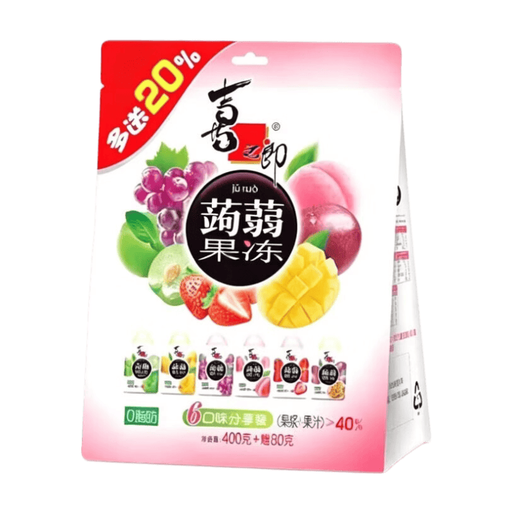
Why This Fits Their Persona: Ideal for those new to the world of konjac jelly who want to try different flavours. The convenient squeeze pouches are perfect for on-the-go and easy to share.
This product clearly lists konjac powder and a fruit juice content of ≥40%, ensuring you get an authentic fruit jelly and not just flavoured sugar water.
Contains six different flavours (including peach, mango, passion fruit). The squeeze jelly packaging is ready to use right away.
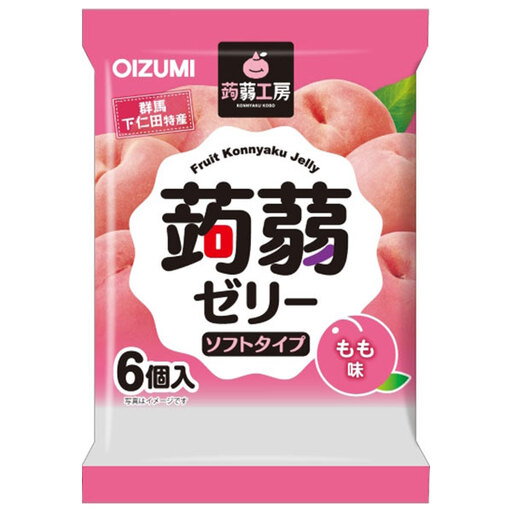
Why This Fits Their Persona: For those looking for a guilt-free snack. This Japanese jelly is specifically designed to be low in calories without compromising on taste and texture.
The nutritional information is clear, showing just 17 kcal per 100g. This is clear proof that it's a genuinely low-calorie snack, unlike products that merely market themselves as 'light'.
Extremely low in calories and fat-free. It offers the authentic, firm texture you expect from a Japanese konjac jelly.
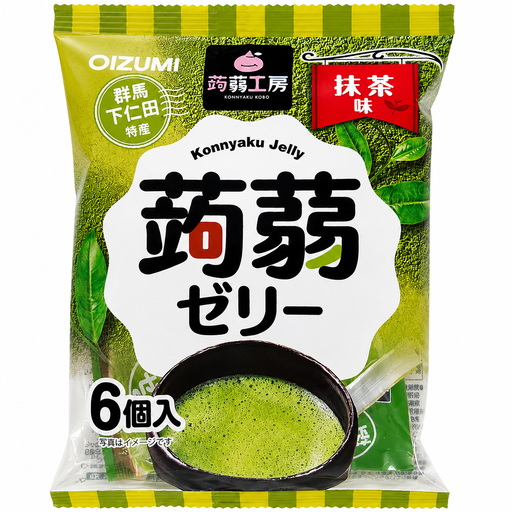
Why This Fits Their Persona: For the connoisseur seeking a traditional Japanese taste experience beyond the standard fruit flavours. Matcha offers a complex, earthy, and slightly bitter profile.
This isn't a generic 'green tea flavour'. The ingredients list specifies matcha paste, indicating the use of real matcha for an authentic taste, including its characteristic aftertaste.
Offers a unique, refined flavour for lovers of Japanese cuisine. The individual packaging makes it easy to portion and take with you.
We have compiled a complete, up-to-date list of products that fully meet these strict selection criteria and current regulations.
No. The main difference is the base ingredient. Konjac jelly is made from konjac powder, which creates a firm, resilient, and somewhat rubbery texture. Regular fruit jelly, like the kind often found in supermarkets, is usually made from gelatin (animal-based) or pectin and has a much softer, more fragile structure.
Most konjac jelly products are shelf-stable at room temperature. Store them in a cool, dry place, away from direct sunlight. Once opened, it is recommended to store the product in the refrigerator and consume it quickly. For an extra refreshing experience, many people serve the jelly chilled. Always check the instructions on the packaging.
The unique texture comes from the glucomannan fibres in the konjac powder. When these fibres come into contact with water, they form a thick, stable gel that is much firmer than gelatin. This results in the signature chewy and satisfying bite that is so popular in many Asian snacks.
