
Vandaag of morgen in huis

Kwaliteit gegarandeerd

Welkomstaanbiedingen ontgrendelen: GRATIS bezorging | Tot 80% korting | Gratis 30 dagen JoyPlus-proefperiode
Download de app
Coconut water seems simple: open the pack, pour and drink. But products can vary considerably in their ingredients, serving size, origin and convenience. If you focus only on words such as “natural”, “electrolytes” or “premium”, you could end up buying a sweeter coconut drink than you expected.
For everyday use, after exercise, at the office or in food service, three things matter most: the ingredients list, the amount in each pack and the storage instructions. Use these checks to compare coconut water based on verifiable product information.
Not every coconut-flavoured drink is made mainly from coconut water. Some products contain water, coconut extract, sugar, flavourings or nata de coco. They may be a good choice if you’re looking for a sweet drink or snack, but they’re different from 100% coconut water.
So check the ingredients. If the only ingredient listed is “coconut water (100%)”, you know what the product is made from. Coconut drinks with nata de coco, for example, may contain several ingredients and have a different texture from pure coconut water.
Coconut water with no added sugar can still contain naturally occurring carbohydrates and sugars. So “no added sugar” doesn’t mean the product contains no sugar. Check the nutrition table per 100 ml and pay attention to the serving size too.
With a 1-litre pack, the total can add up quickly if you pour several glasses. Larger packs are convenient for families and offices, but smaller packs can help reduce waste if not everyone drinks coconut water every day.
Coconut water naturally contains minerals, but the amount varies by brand and product. According to the product information for some brands, such as Cocomax and Chaokoh, their coconut water contains electrolytes or minerals. Treat this as product information, not a guarantee of a particular effect during exercise or recovery.
If you’re looking for coconut water with electrolytes, it’s worth checking the nutrition table. Look, for example, for salt, sodium, potassium, magnesium and calcium, if these values are listed. For intense exercise, your overall fluid and nutrient intake will still depend on your individual needs and circumstances.
If you want a natural coconut drink with no extra sweeteners, the ingredients list is the best place to start. Look for:
A product containing sugar isn’t automatically unsuitable. It’s simply for a different purpose than coconut water with no added sugar.
Choose the pack size to suit how you’ll use it:
Don’t compare only the price per box; check the price per litre too. A multipack may seem like good value, but it’s less practical if opened cartons go unused.
According to product information, unopened coconut water in aseptic or UHT packaging can often be stored outside the fridge. The exact storage period varies by product. Once opened, it should generally be kept refrigerated and used within the timeframe stated on the pack.
For example, IF Thailand says the product should be refrigerated after opening and consumed within 48 hours. For Chaokoh, the product information gives a maximum of 7 days after opening. Always check the packaging of the product you receive, as shelf life and storage advice vary by product.
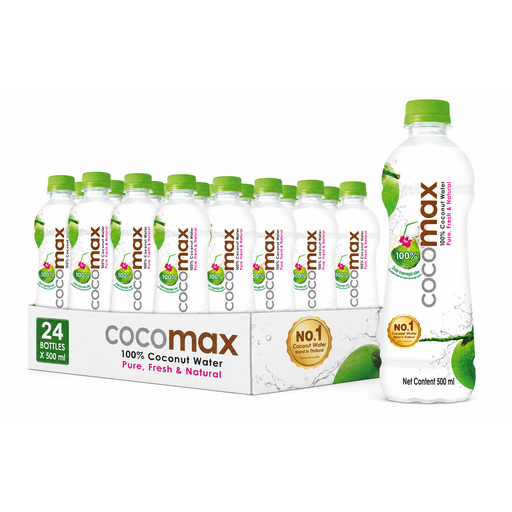
Why it suits this profile: The 500 ml portions are easy to manage for individual use, while a box of 12 gives you a supply for home, work or exercise.
The product information states that it contains 100% coconut water with no added sugar. However, check the current packaging and nutrition table when it arrives.
12 individual 500 ml packs; according to the product description, 21 kcal and 5.3 g of carbohydrates per 100 ml.
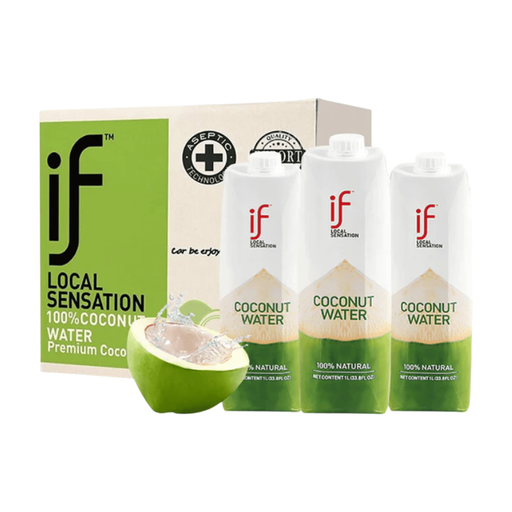
Why it suits this profile: This Thai coconut water multipack is aimed at shoppers who want a clear ingredients list and larger cartons to keep in the fridge.
The ingredients list provided states that it contains 100% coconut water, with no added sugar, colourings or preservatives.
A box of 12 one-litre cartons; the product description states that the coconuts are young coconuts from Thailand.
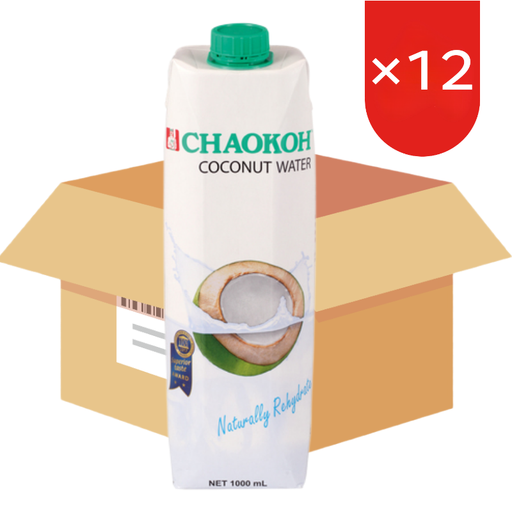
Why it suits this profile: A 12-litre box is a good fit for food service, catering, offices and households that use coconut water regularly.
The product information states that it contains 100% coconut water with no added sugars. The nutrition information lists, among other things, 149 mg of potassium per 100 ml.
Product information states that it comes from Thailand; store unopened at room temperature and refrigerate after opening.
We’ve put together a complete, up-to-date list of products that meet these strict selection criteria and the applicable European safety regulations.
No. “No added sugar” only tells you that no extra sugar has been added to the product. Check the ingredients list to see whether it contains only coconut water or also ingredients such as fructose, vitamin C, flavourings or other additions.
It varies by brand and packaging. Some products state 48 hours, while others last for several days. Keep an opened carton in the fridge, close it securely and always follow the timeframe on the label. The best-before date for an unopened carton doesn’t automatically apply once it has been opened.
It can be convenient for families, offices and food service, particularly if you use it regularly. Compare the price per litre, packaging and storage space. If you only use it occasionally, 330 to 500 ml cartons may be more convenient. For more frequent use, multipacks of 1-litre coconut water or bulk coconut water can be more efficient, as long as you use the stock before it expires.
