
Vandaag of morgen in huis

Kwaliteit gegarandeerd

Welkomstaanbiedingen ontgrendelen: GRATIS bezorging | Tot 80% korting | Gratis 30 dagen JoyPlus-proefperiode
Download de app
Buying coconut water may seem straightforward, but packaging and product names can be confusing. A bottle or carton with a tropical look isn’t necessarily 100% coconut water. Some drinks contain sugar, fruit juice, coconut pulp or flavourings. The size matters too: a 500 ml pack is handy when you’re out and about, while 1 litre of coconut water is better for home or a family.
Use these practical tips to compare coconut water by ingredients, sugar content, serving size and ease of storage.
Always check the ingredients list. A product may contain coconut water, but also water, sugar, fructose, fruit juice, coconut pulp or stabilisers. In a coconut drink, the proportion of coconut water may be much lower than you’d expect from the front of the pack.
If you’re specifically looking for coconut water with no added sugar, look for wording such as “100% coconut water” or an ingredients list that contains coconut water alone. Also check the nutrition table: coconut water contains naturally occurring sugars, even when no sugar has been added.
Flavours such as lychee or pink guava aren’t pure coconut water. They combine coconut water with fruit juice or purée, and may also contain vitamin C or sugar. That isn’t necessarily a problem, but it means the product is suited to a different purpose.
If you want a neutral drink to have with food or after exercise, compare the sugar content per 100 ml. If you’re after a sweet tropical drink, a fruit-flavoured option may be more to your taste.
A multipack of coconut water may work out cheaper per pack, but also consider the volume and how long it keeps once opened. A 1 litre carton is handy for sharing, but needs to be refrigerated after opening and used within the stated period. Smaller packs of 310, 320, 330 or 500 ml are easier to take with you and help reduce waste.
A case of 12 x 330 ml or 24 x 310 ml works well for families, offices and catering, provided you have enough storage space.
Start by checking the ingredients, then look at the nutritional information. Here are some examples from the range:
So, “no added sugar” doesn’t mean “sugar-free”. Naturally occurring sugars are still present. Always compare the full table on the label.
The right size depends on how you’ll use it:
A case of 12 x 330 ml or 24 x 310 ml is a good option for families, offices and catering, as long as you have enough storage space.
According to the product information, most unopened packs can be stored in a cool, dry place out of direct sunlight. Always check the date on the packaging. Once opened, coconut water generally needs to be refrigerated and consumed within the period stated on the label.
For example, Chaokoh says the product should be refrigerated after opening and used within seven days. FOCO and Bamboo Tree varieties specify a shorter period. Always follow the storage instructions for the product you choose.
For coconut water after exercise, consider the serving size, ingredients and nutritional information. Product descriptions often say that coconut water is suitable for hydration or for use after exercise. These are product claims; they’re not a substitute for personal nutritional advice. Water is also a simple choice for staying hydrated day to day.
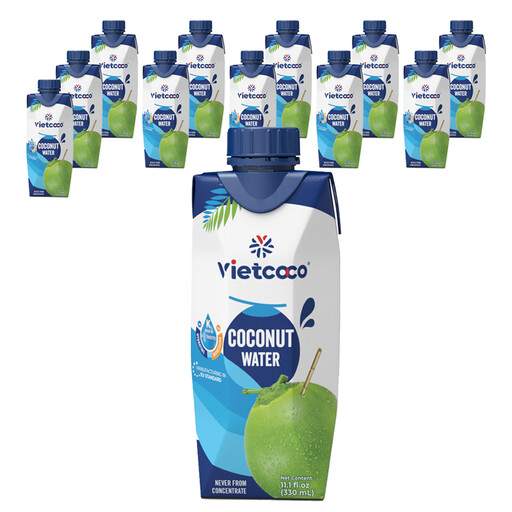
Why it suits this profile: The case of twelve 330 ml servings is a straightforward way to try coconut water at home, in the office or on the go.
The product information states that it contains 99% coconut water and specifies less than 1% fructose, so you can check the ingredients rather than relying on the front of the pack alone.
12 x 330 ml, 22 kcal per 100 ml according to the product information, and recyclable packaging.
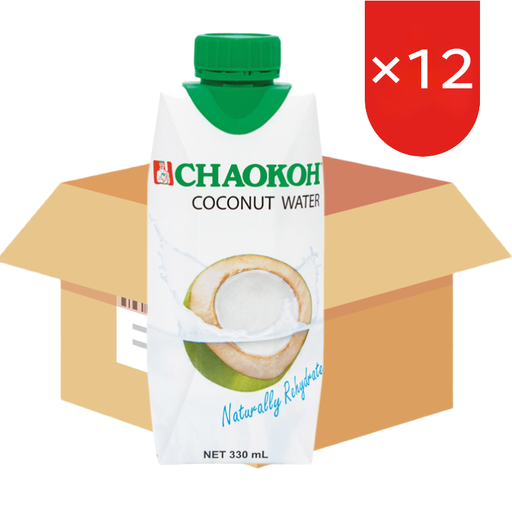
Why it suits this profile: If you’re looking for the simplest possible ingredients list, the product information states that this contains just one ingredient: coconut water.
The “Coconut Water (100%)” statement and 4.2 grams of sugars per 100 ml make it easier to distinguish added ingredients from naturally occurring sugars.
100% coconut water according to the label, 12 x 330 ml, and suitable for vegetarian and vegan diets according to the product information.
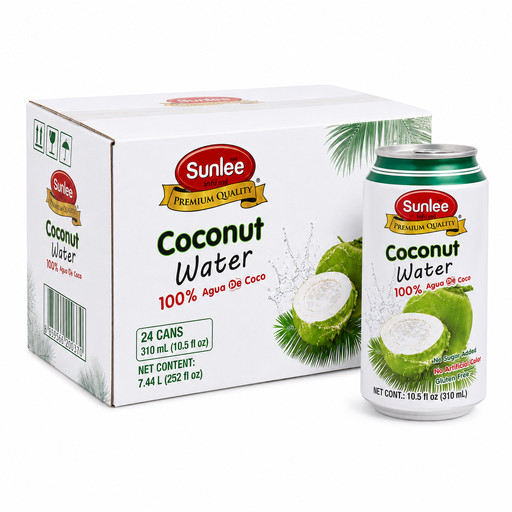
Why it suits this profile: A case of 24 cans is a good fit for offices, families, sports venues and event supplies.
The product information states that it contains 100% coconut water and no added sugar. The 310 ml servings also mean you’re less likely to need to store a large carton after opening.
24 cans of 310 ml, 16 kcal and 2.8 grams of sugars per 100 ml according to the product information.
We’ve put together a complete, up-to-date list of products that meet these strict selection criteria and the applicable European safety regulations.
No. Coconut water contains naturally occurring sugars. “No added sugar” means that, according to the ingredients list, no extra sugar has been added. Always check the nutritional information per 100 ml.
It varies by product. In most cases, refrigerate it after opening and follow the timeframe on the label. For example, Chaokoh states that it should be used within seven days of opening, while some other products need to be used within a few days.
Brands often market coconut water as a drink to have after exercise. In practice, whether it’s suitable depends on your overall fluid and nutritional intake, the intensity of your exercise and your personal circumstances. When buying, focus on the serving size, ingredients, sugars and any information about minerals.
