
Vandaag of morgen in huis

Kwaliteit gegarandeerd

Welkomstaanbiedingen ontgrendelen: GRATIS bezorging | Tot 80% korting | Gratis 30 dagen JoyPlus-proefperiode
Download de app
Choosing a new suitcase or travel bag seems simple, until you find yourself at the gate with an oversized carry-on suitcase, a wobbly handle or wheels that struggle over cobbled streets. When choosing suitcases and travel bags, there are three common pitfalls to watch out for:
The right choice depends on how long you’re travelling, your mode of transport, how you pack and how you’ll carry your luggage. For example, a cabin suitcase for a business trip needs different features from a large bag for camping gear.
Measure a suitcase including its wheels, handles and any parts that stick out. One airline might accept a 55 × 40 × 20 cm model as cabin baggage, while another may have a smaller limit.
When choosing a lightweight suitcase, consider the balance between size, net weight and capacity. A 20-inch model weighing 2.5 kg with a capacity of 30 litres is practical for short trips, but offers less space than a model with a capacity of around 40 to 46 litres.
Examples from the range:
A hard-shell suitcase made from ABS, polycarbonate or polypropylene offers a different balance of shape retention, weight and flexibility. ABS is generally lightweight and widely used in affordable luggage. Polycarbonate and polypropylene are also used in models described as shock-resistant or flexible. These are product specifications, not a guarantee of a particular lifespan.
A soft-sided trolley or foldable travel bag may be more convenient if you value a front pocket, flexible compartments or compact storage. When choosing a fabric bag, check:
Water-repellent fabric will generally protect against light rain and splashes. That’s not the same as being fully waterproof. For outdoor luggage, it’s wise to add extra rain protection.
Four 360° spinner wheels make it easy to manoeuvre a suitcase at the airport, as you can move it in several directions. Two wheels are often lighter and work well when pulling a bag directly behind you, but you’ll need to tilt it more on uneven ground.
Also check whether:
A TSA lock doesn’t prevent a suitcase from being opened, but it’s designed to allow authorised security checks without the lock being forced. According to their product descriptions, several KONO and NINETYGO models have a TSA-approved combination lock.

Why it suits this type of traveller: With a 30-litre capacity, a combination lock and internal compartments, this cabin suitcase keeps things simple for short holidays, visits to family or your first flight.
The dimensions, weight and capacity are clearly stated, so you can compare the model with your airline’s baggage rules before you travel.
30-litre capacity, 2.5 kg product weight, extendable handle and a zipped closure with a combination lock.
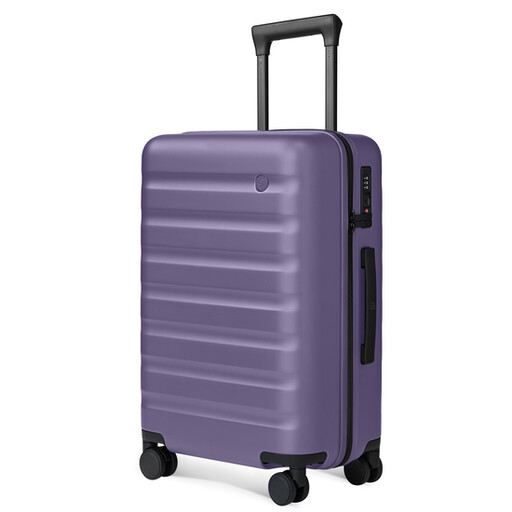
Why it suits this type of traveller: This 20-inch suitcase is designed for travellers who value a hard PC shell, quiet spinner wheels and a well-organised interior.
According to the product description, the handle and TSA lock are recessed. This reduces the number of parts that stick out and could catch during transport.
PC hard shell, TSA lock, double spinner wheels, compression straps and a separate waterproof PVC pocket for wet items.
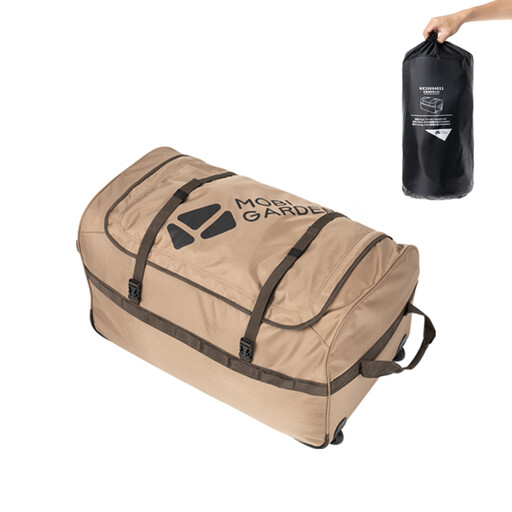
Why it suits this type of traveller: For campers, anglers and families carrying plenty of equipment, this large wheeled travel bag offers lots of room without the bulk of a hard-shell suitcase.
The bag folds away for storage and has built-in wheels. Bear in mind the advice to pull it over flat ground and keep sand away from the wheels.
110-litre capacity, approx. 1.75 kg net weight, foldable design and wheels on the base.
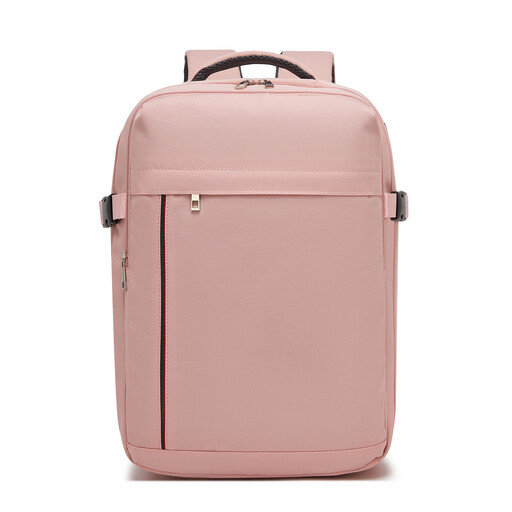
Why it suits this type of traveller: This travel backpack is ideal if you want to carry a laptop, documents and clothing in one bag and stow your luggage under the seat.
The fixed dimensions make it easier to compare. The laptop sleeve fits models up to 15.6 inches; check the measurements of your own laptop.
24-litre capacity, 180-degree opening, padded laptop compartment, water-repellent polyester and padded shoulder straps.
We’ve put together a complete, up-to-date list of products that meet these strict selection criteria and current European safety regulations.
It varies by airline, ticket type and sometimes fare class. Check the maximum height, width and depth on your airline’s website. Measure your suitcase, including the wheels and handles.
Its lifespan depends on how it’s used, how much it carries, the surfaces it’s taken over and how it’s stored. The wheels, zips and telescopic handles tend to take the most wear. Clean the wheels, avoid pulling a trolley over unnecessarily rough ground, and store your bag somewhere dry without overloading it.
A luggage set can be practical for families or travellers going on trips of different lengths. Nesting models take up little space. However, only buy a set if you’ll actually use several sizes; otherwise, you may end up paying for and storing luggage you don’t need.
