
Vandaag of morgen in huis

Kwaliteit gegarandeerd

Welkomstaanbiedingen ontgrendelen: GRATIS bezorging | Tot 80% korting | Gratis 30 dagen JoyPlus-proefperiode
Download de app
A good knife set is the foundation of any kitchen. But the search can feel like navigating a minefield. A block filled with dozens of knives looks impressive, but in practice, you'll likely only use two or three. The rest just gather dust, even though you've paid the full price.
As a Joybuy Product Recommendation Officer, I see the challenges consumers face every day. Many sets are designed to sell, not to be used. Let's walk through the most common pitfalls so you can make a purchase you'll enjoy for years to come.
The 3 Pitfalls of Choosing a Knife Set:
To avoid the problems above, you don't need to be a metallurgist. Just pay attention to a few practical specifications that make the difference between a poor purchase and a lasting investment.
The quality of the steel determines how sharp a knife is, how long it stays sharp (its edge retention), and how well it resists rust. Stainless steel is the most common choice for home use due to its ease of maintenance. Look for specifications like 50Cr15MoV steel, a type that offers a great balance between hardness, edge retention, and corrosion resistance.
Another hallmark of a durable knife is a 'full-tang' construction. This means the steel from the blade extends all the way through the handle. This provides superior balance and strength, preventing the knife from breaking at the junction between the blade and handle.
A professional-grade knife set for home use doesn't need to have twenty pieces. You can handle most tasks with a few essential items:
By opting for individual pieces or a smaller, functional set, you invest in tools you will actually use.
Here are several options selected based on their functionality and materials, suiting different needs and budgets.
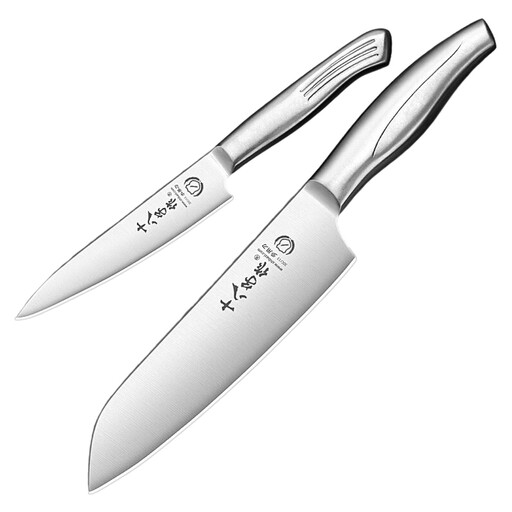
Why This Fits Their Persona: Ideal for those just starting their culinary journey or who prefer a minimalist approach. This set provides the two most essential knives without any unnecessary extras.
This set avoids the quantity trap. You only pay for what you truly need: a solid chef's knife and a paring knife.
A functional foundation for 90% of cutting tasks in the kitchen. No unnecessary clutter, just effective tools.
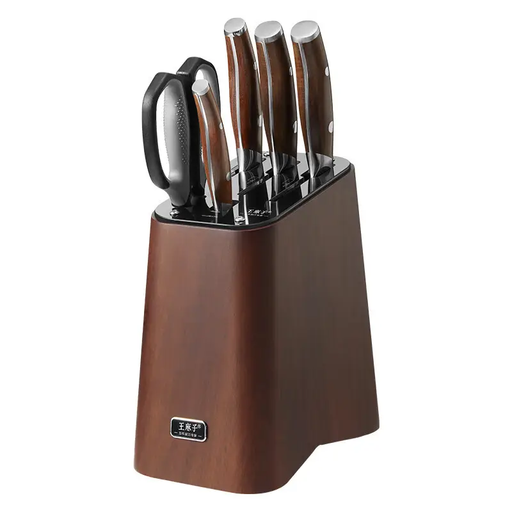
Why This Fits Their Persona: For the home cook who loves to experiment and needs tools for diverse tasks, from fine slicing to preparing a whole chicken.
While this is a larger set, every component has a clear purpose. It includes a cleaver, chef's knives, and kitchen shears, making it a practical expansion rather than mere filler.
A complete and functional set for a wide range of kitchen tasks. Includes a knife block for safe and organised storage.
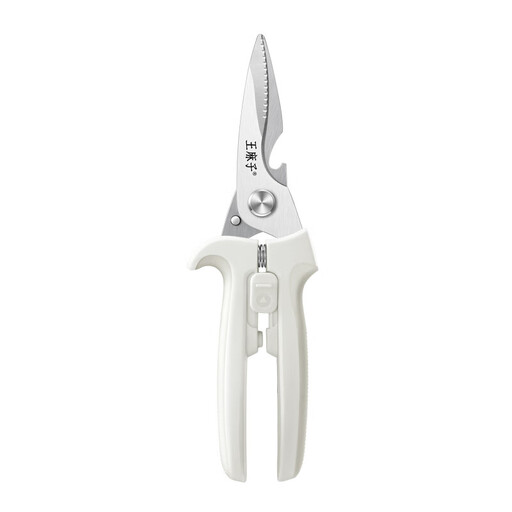
Why This Fits Their Persona: Perfect for those who regularly prepare poultry and get frustrated using a knife to cut through bone. This is a specialised tool that makes a specific job effortless.
This isn't a generic tool that only does half the job. It's a specific solution for a common problem, avoiding the 'one-size-fits-all' pitfall.
Engineered for power and precision. The strong spring reduces the effort required to cut through bones and joints.
We've curated a complete, up-to-date list of products that meet these strict selection criteria and all applicable safety standards.
This depends on the frequency of use and the quality of the steel. A good habit is to hone your knives with a honing steel before each use. This realigns the microscopic burrs on the cutting edge. True sharpening, which removes material, is typically only needed a few times a year, depending on how intensively you use the knives.
For certain tasks, kitchen shears are superior. Think of snipping fresh herbs, portioning a pizza, or cutting through chicken bones with robust poultry shears. However, they are a supplement to your chef's knives, not a complete replacement. For the fine slicing of vegetables or filleting fish, a good knife remains the designated tool.
Not necessarily. The price is often influenced by the brand, design, and materials used. A €200 knife isn't automatically better for you than a €50 one. It's about finding the right balance of steel quality, construction, and—most importantly—how the knife feels in your hand. A comfortable, well-balanced knife that you can work with confidently is worth the investment, regardless of the price.
