
Vandaag of morgen in huis

Kwaliteit gegarandeerd

Welkomstaanbiedingen ontgrendelen: GRATIS bezorging | Tot 80% korting | Gratis 30 dagen JoyPlus-proefperiode
Download de app
Sticky rice is ideal for dishes where the grains hold together firmly and have a soft, chewy texture. Examples include mango sticky rice, rice dumplings, rice cakes and a range of Vietnamese and Thai dishes. However, not every pack labelled “sticky rice” is the same. If you choose based only on the brand, colour or a large pack size, you could end up with rice that doesn’t suit your recipe or the space you have in your kitchen.
Glutinous rice does not contain gluten as found in wheat, barley and rye. The term refers to its sticky texture after cooking. Regular jasmine rice or sushi rice may be somewhat sticky, but it won’t necessarily give you the same soft, cohesive texture as genuine sticky rice.
So check the ingredients list. If it says 100% sticky rice, glutinous rice or sticky rice, the product description is clearer than one that simply says “Asian rice”.
Black sticky rice has a dark purple-black colour and is often described in product information as having a mildly nutty flavour. Its cooking time, the amount of water it needs and its texture may differ from those of white Thai sticky rice. White sticky rice is usually used for mango sticky rice, while black rice is often chosen for desserts, porridge or a striking combination with coconut milk.
A dark colour doesn’t in itself mean that the rice is more suitable or nutritious. Compare the ingredients, cooking instructions and nutritional information on the pack.
A 20 kg pack of sticky rice can be practical for restaurants, catering or households that cook rice frequently. For occasional use, 1 kg of sticky rice is usually easier to manage. A 4.5 kg pack is a middle-ground option for families, meal preppers and regular home cooks.
As well as the price per kilo, consider storage. According to product information, rice should generally be kept in a cool, dry place, out of direct sunlight. Seal the pack tightly after opening and check the best-before information on the bag.
Thai sticky rice is a natural choice for Thai recipes, such as steamed sticky rice or rice used for mango sticky rice. Vietnamese sticky rice, such as Nếp Cái Hoa Vàng rice, is linked in product descriptions to Vietnamese rice cakes, steamed dishes and desserts.
The origin doesn’t guarantee a particular flavour or cooking result. Check the ingredients list and cooking instructions too. A product with rice as its only ingredient is easy to assess and combine with your own recipe.
Sticky rice is often washed thoroughly first and then soaked. It can then be steamed or prepared according to the instructions on the pack. Soaking is particularly important when following a recipe that requires the grains to become completely soft and sticky.
Don’t automatically use the water ratio for regular rice. For example, product information for some packs of black sticky rice gives a specific ratio for cooking in a rice cooker. Only adjust the method if the recipe or pack recommends it.
Check whether the pack can be resealed after opening too. This helps protect the rice from moisture and contamination, but doesn’t replace dry storage or checking the best-before date.
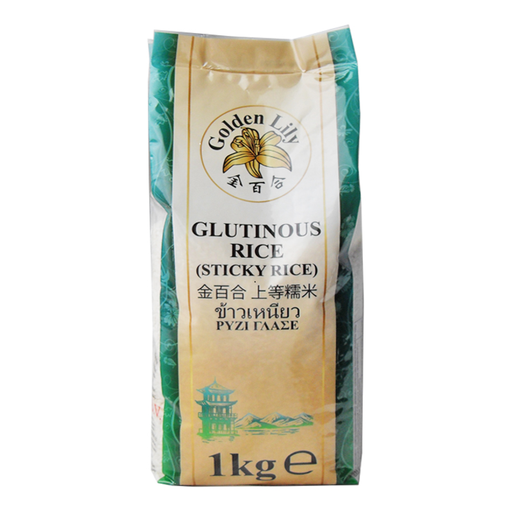
Why it suits this profile: The 1 kg pack is easy to manage if you’re buying sticky rice for the first time and want to try a range of Asian recipes.
The product information recommends rinsing, soaking and steaming or boiling the rice. That means you don’t have to rely on the method for regular rice.
1 kg pack; described as suitable for desserts, dumplings and savoury dishes.
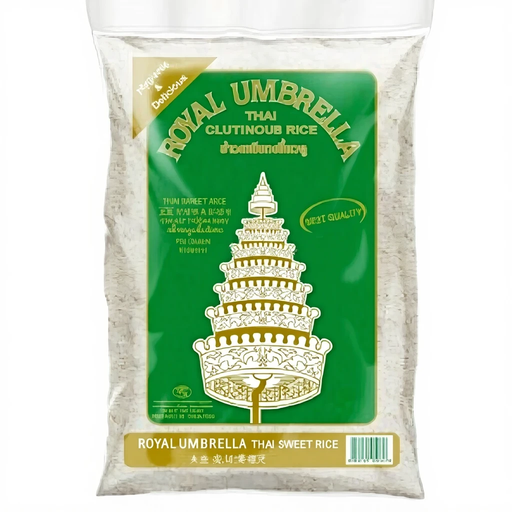
Why it suits this profile: The product description highlights soft, chewy rice for sweet and savoury Asian dishes, including mango sticky rice.
The description specifies 100% sticky rice. This makes it a clearer choice than a general label such as Asian rice.
1 kg pack; product information lists desserts, sushi, dumplings and other savoury dishes.
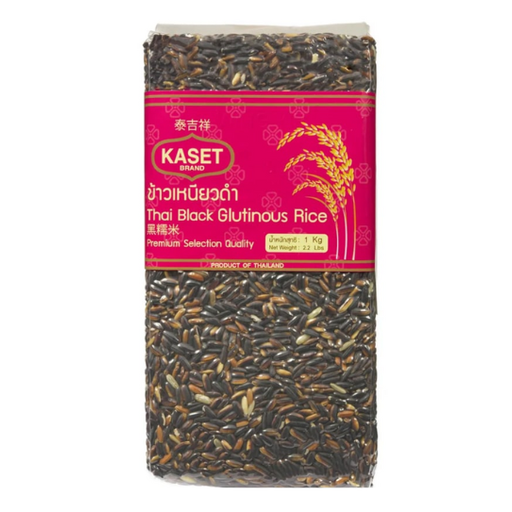
Why it suits this profile: The black variety offers a different colour and texture for Thai and South-East Asian desserts.
The ingredients list specifies 100% rice, and the product page provides separate nutritional information for this black variety.
1 kg pack; product information states that it contains 100% rice and none of the 14 major EU allergens.
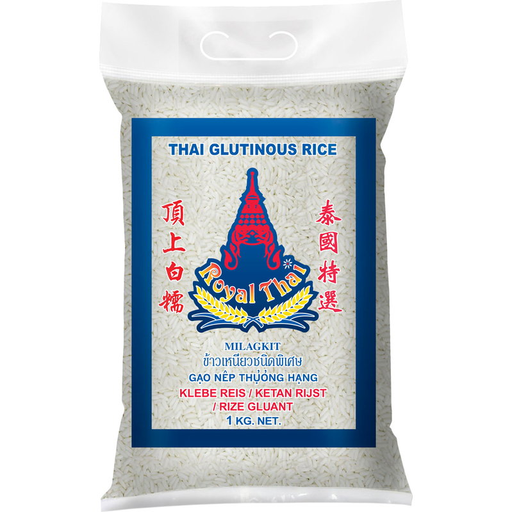
Why it suits this profile: The larger bag is aimed at regular use, meal prep, larger families and small-scale catering.
The 4.5 kg pack means frequent users don’t have to buy lots of small packs, provided they have somewhere dry to store it.
4.5 kg pack; according to the product information, suitable for Thai dishes, desserts, sushi and zongzi.
We’ve put together a complete, up-to-date list of products that meet these strict selection criteria and current European safety regulations.
For vegan or vegetarian dishes, you can pair sticky rice with coconut milk, mango, mushrooms, tofu or vegetables. If you’re using prepared ingredients, always check each label individually. A “no allergens” statement in a product description is based on the product information available; the packaging is the most up-to-date source.
Yes. Glutinous rice is another name for sticky rice. The name refers to its sticky texture after cooking, not to gluten from wheat. If you have allergies, always check the current packaging and product information.
White Thai sticky rice is usually used for mango sticky rice. Choose a product clearly labelled “glutinous rice” or “sticky rice”. Black sticky rice can also be used in a dessert, but it has a different colour, texture and flavour.
Unopened rice can be kept until the date on the pack, as long as you follow the storage instructions. Once opened, its shelf life depends on moisture, temperature and how well it’s sealed. Store the rice in a cool, dry place in a tightly sealed container, and don’t use it if the packaging is damaged.
