
Vandaag of morgen in huis

Kwaliteit gegarandeerd

Welkomstaanbiedingen ontgrendelen: GRATIS bezorging | Tot 80% korting | Gratis 30 dagen JoyPlus-proefperiode
Download de app
A kitten grows quickly and therefore needs different food from an adult cat. Yet the range is vast: dry kitten food, wet kitten food, grain-free kitten food, treats and milk products often sit side by side with eye-catching claims on the packaging. This makes comparing difficult.
Pay particular attention to three common pitfalls:
Choose a product that clearly states it is intended for kittens, young cats or possibly pregnant and nursing queens. The growth phase typically runs from weaning to around 12 months, but the exact nutritional needs vary by age, weight and activity level.
Also check whether it is:
For example, Farmina N&D Ocean Kitten Cod is described in the product information as a complete food for kittens and pregnant or nursing cats. INABA Churu Cat Tuna, on the other hand, is a complementary food and therefore not a complete meal.
Grain-free kitten food can suit an owner who wants to avoid grains, but “grain-free” doesn’t automatically make a product suitable for every kitten. Always look at the full ingredients list, the protein content and the feeding instructions.
With kitten food containing chicken or fish, the percentage of the named animal ingredient matters. In Purina One Junior, for example, chicken is listed as an ingredient with a stated percentage of 17%. The product information also mentions whole wheat and maize among other ingredients. That gives you a more concrete starting point than just the name on the front.
For Farmina N&D Ocean Kitten Cod, cod and dehydrated cod are listed as key ingredients. The analytical composition states 44% crude protein and 20% fat for the 1.5 kg variant. Use figures like these to compare products, but bear in mind that analytical values can vary between recipes and batches.
Dry kitten food is practical to portion out and can be stored well in a sealed container. A 10 kg bag, such as Iams Cat Kitten Ocean Fish 10kg, makes most sense if you feed multiple cats or regularly use the same recipe. For one small kitten, a smaller pack can help reduce waste.
Wet kitten food contains plenty of moisture and is appealing to some kittens because of its smell and soft texture. Divide the daily amount into several meals and store opened portions according to the packaging. Whiskas Junior Classic Selection In Sauce comes in 85 g portions and gives separate feeding recommendations for kittens of different ages.
Don’t suddenly switch brand or recipe. Gradually mix the new kitten food into the existing food over about seven days. This also makes it easier to see how your kitten responds to the new product.

Why this fits the profile: The 800 g pack is a manageable size for a first purchase, and the product information states it can be used from weaning up to 12 months.
The product description clearly states the target group and describes the product as complete kitten food. This makes the distinction from treats visible.
With chicken, grains and a feeding guide based on age and weight. According to the product information, it can be fed dry or with a little water.
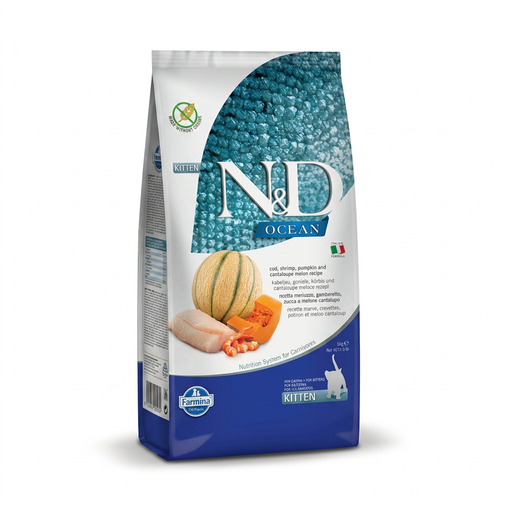
Why this fits the profile: A large pack and a cod-based recipe suit households that deliberately choose one complete dry food.
The product information states “complete food for kittens” and gives percentages for protein, fat, moisture and minerals. The term grain-free is specifically listed in the product specifications.
Cod as the stated main ingredient, 36% crude protein, 20% fat and stated DHA, EPA and taurine values.
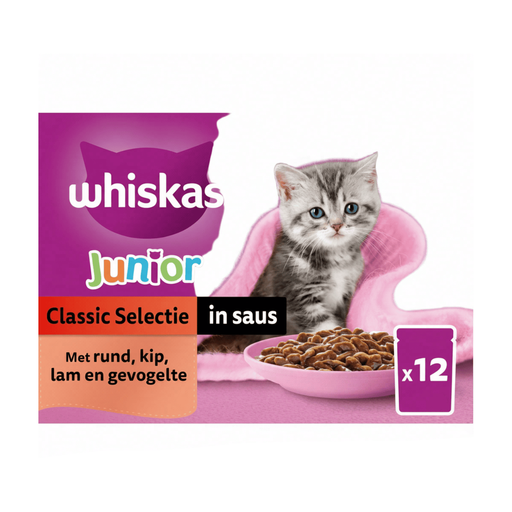
Why this fits the profile: Handy portions suit multiple feeding times a day and make it easier to serve wet food per meal.
The product information states that it is a complete wet food for kittens and gives separate amounts for different ages.
12 portions of 85 g, multiple flavours and a stated energy content of 67 kcal per pouch.
We’ve put together a full, up-to-date list of products that fully meet these strict selection criteria and comply with current European safety regulations.
A small treat can help with training or interaction, but keep the amount limited. Catisfactions Cat Treats Salmon Flavor is described in the product information as a complementary food for adult cats and kittens from 8 weeks old. The packaging states fewer than 2 calories per piece.
Whiskas Cat Milk Bottle is described in the product information as a complementary product from 6 weeks old. According to the label, it contains less than 0.1% lactose. Do not give this in place of complete kitten food and follow the storage and serving instructions on the packaging.
Choose food where the life stage is clearly stated. Around weaning, soft wet food or soaked dry food can be practical. Check the feeding guide and always provide fresh drinking water.
Many products are intended up to around 12 months. The switch to adult food depends on growth, weight and product advice. Make the transition gradually and ask your vet for advice if in doubt.
That depends on the brand, pack size, portion size and energy content. Don’t just compare the price per pouch or kilo, but also the recommended daily amount. A combination of dry kitten food and complete wet kitten food can work well, as long as the total daily portion is adjusted accordingly.
