
Vandaag of morgen in huis

Kwaliteit gegarandeerd

Welkomstaanbiedingen ontgrendelen: GRATIS bezorging | Tot 80% korting | Gratis 30 dagen JoyPlus-proefperiode
Download de app
Bringing a new kitten home is a joyful experience, but it also comes with the responsibility of choosing the right nutrition. The shelves are packed with options, and marketing promises don't make selecting the right kitten food any easier. Many owners unwittingly fall into common traps that can hinder their young cat's development. This guide will help you avoid the most common missteps and make an informed decision.
Before you put a bag or can in your shopping cart, it's crucial to be aware of a few common marketing traps.
dry kitten food (kibble) can lead to insufficient moisture intake, which may strain the kidneys over time. On the other hand, a diet of only wet kitten food might not adequately support the development of strong teeth and is often more expensive. A combination of both is typically a sensible approach.To avoid these pitfalls, focus on a few objective specifications. These characteristics form the foundation of a nutritious meal that supports your kitten's growth.
Cats are carnivores and need animal-based proteins to thrive. For kittens, this is even more critical.
dry kitten food and around 10% for wet food. Check if a specific type of meat or fish (e.g., "fresh chicken," "salmon") is listed as the first or second ingredient. This indicates a high-quality protein source. An increasing number of owners are choosing grain-free kitten food to more closely mimic a cat's natural diet and avoid potential sensitivities.These two substances are indispensable for a growing cat.
Iams kitten food.The physical form of the food also matters.
Whiskas Junior often offer pouches with a suitable texture.Based on objective product specifications, we have selected several options to suit various needs and budgets.
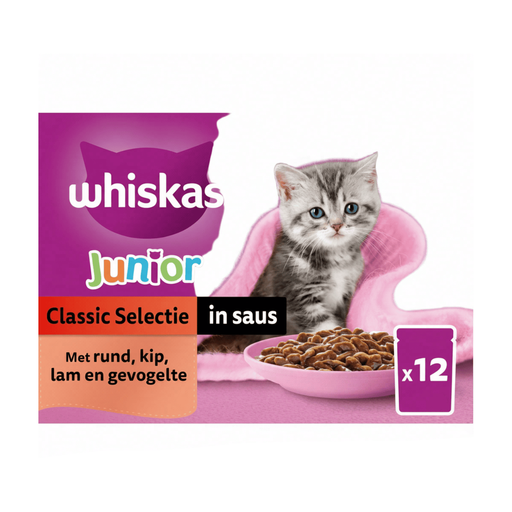
Why This Fits Their Persona: Ideal for new kitten owners who want a reliable and affordable start. This wet food provides necessary hydration and comes in convenient, pre-portioned pouches.
This product is explicitly formulated as "Junior" food (for 2-12 months), avoiding the "one-size-fits-all" pitfall. It's tailored to the nutritional needs of a growing cat.
Contains added vitamins and taurine for a healthy immune system. The multipack with various flavours provides variety, which can help prevent picky eating.
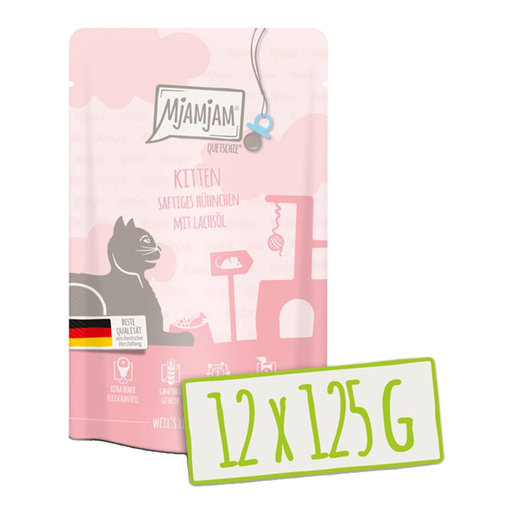
Why This Fits Their Persona: For the owner who wants the very best and is looking for natural, grain-free food with a very high meat content. The focus is on pure ingredients without unnecessary additives.
The ingredient list is extremely transparent: "chicken meat, hearts, liver, gizzards (70%)". This completely avoids the pitfall of vague "animal derivatives." It is also grain-free and gluten-free.
A very high meat content (70%) and the addition of salmon oil (0.4%) directly provide essential omega fatty acids. Free from sugar and artificial additives.
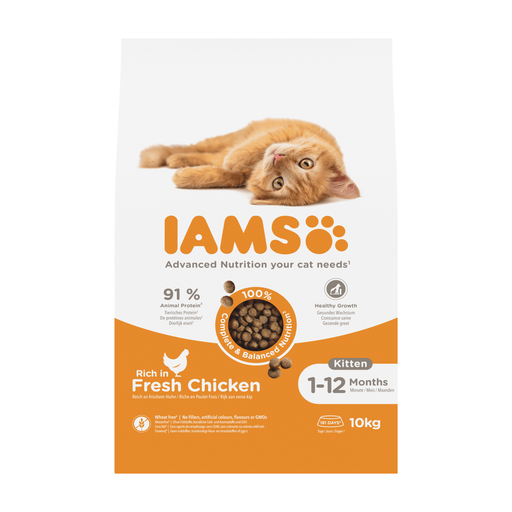
Why This Fits Their Persona: Perfect for owners with multiple kittens or those who like to stock up. This large bag of dry food provides a nutritious base that lasts a long time and supports dental health.
This food addresses the wet vs. dry food balance by offering a high-quality kibble option. According to Iams, it contains 91% animal protein, which bypasses the vague-ingredient pitfall and respects the cat's carnivorous nature.
Enriched with DHA for brain development and a fibre blend for healthy digestion. The large 10 kg bag is cost-effective for long-term use.
We have compiled a complete, up-to-date list of products that fully meet these strict selection criteria and quality standards.
The required amount depends on your kitten's age, weight, and activity level. Always use the feeding guidelines on the packaging as a starting point. Kittens have small stomachs and prefer to eat several small meals throughout the day (3-4 times). Adjust the amount as needed to maintain a lean, healthy body condition.
Most kittens can transition to adult cat food around their first birthday. By this time, they are fully grown, and their nutritional needs change. Large breeds, such as the Maine Coon, continue to grow for longer and may benefit from staying on food for young cats for an extended period. Always transition to new food gradually by mixing it with the old food over a period of 7-10 days.
Not necessarily. The term "grain-free" is not an official guarantee of quality. The most important factor is the quality and digestibility of the protein source. Some cats have a sensitivity to grains, and for them, grain-free kitten food is an excellent choice. However, for most kittens, a food with high-quality, easily digestible grains is also perfectly fine. The focus should be on a high content of animal-based protein, not solely on the absence of grains.
