
Vandaag of morgen in huis

Kwaliteit gegarandeerd

Welkomstaanbiedingen ontgrendelen: GRATIS bezorging | Tot 80% korting | Gratis 30 dagen JoyPlus-proefperiode
Download de app
Kitchenware needs to do more than just look appealing. A bowl that can’t go in the dishwasher, a storage container without a reliable seal, or a plate that’s too big for your kitchen cupboard will quickly become a source of frustration. Yet many products are promoted with words like “durable”, “multifunctional” and “space-saving”, without making it clear what practical benefit you’ll actually get.
So watch out for three common pitfalls:
For everyday use, plastic, ceramic, porcelain, glass and stainless steel are common choices. Each material has different properties:
A label such as “food-grade” or “suitable for food contact” should be seen as a product specification, not as proof that the product is suitable for every application. Use the kitchenware according to the care and safety instructions.
A bowl set with small, medium and large bowls is useful for breakfast, salad, soup and preparation. For pasta, wide, relatively shallow pasta plates are handy because sauce and toppings can be distributed more easily. A snack bowl set or serving board is ideal for nibbles and desserts.
Pay attention to:
For meal prep, multiple portion sizes are useful. The Mepal Cirqula sets, for example, offer different sizes including 500, 1,000, 2,000 and 3,000 ml. According to the product description, these containers are suitable for the fridge, freezer, dishwasher and microwave without the lid.
“Dishwasher-safe kitchenware” saves time, but check whether this applies to all parts. With a set that has plastic lids, hand washing may be recommended, while the bowls themselves can go in the dishwasher. With ceramic items, the glaze, decoration and sudden temperature changes can affect their lifespan.
Use this checklist:
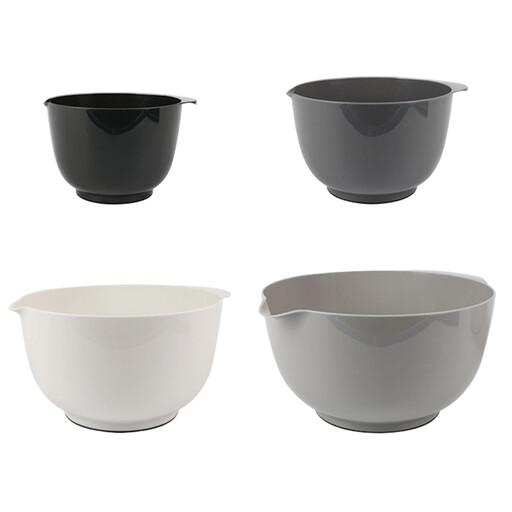
Why this fits the profile: A four-piece set is suitable for cooking, baking, salad and meal prep without having to buy lots of individual bowls straight away.
The product name mentions four sizes, a non-slip base, stackability and BPA-free material. Do check the exact capacity and appliance suitability before buying.
Four-piece set; stackable design; BPA-free according to the product specification.
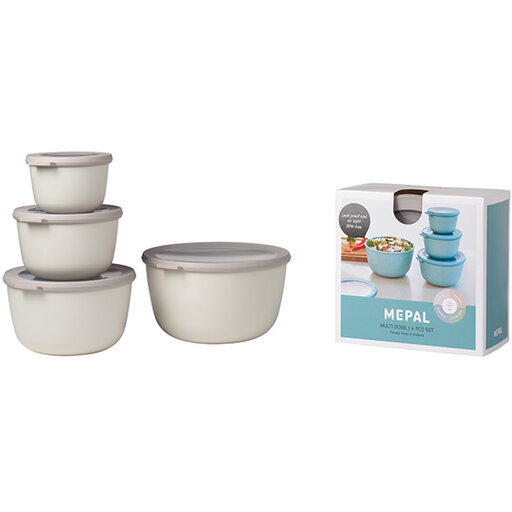
Why this fits the profile: Handy for households that store leftovers, freeze meals and want to reheat portions straight from the fridge.
The set has multiple capacities and a transparent lid. According to the product description, the containers are airtight and suitable for the freezer, dishwasher and microwave without the lid.
Capacity from 500 to 3,000 ml; BPA-free according to the specification; nestable design.
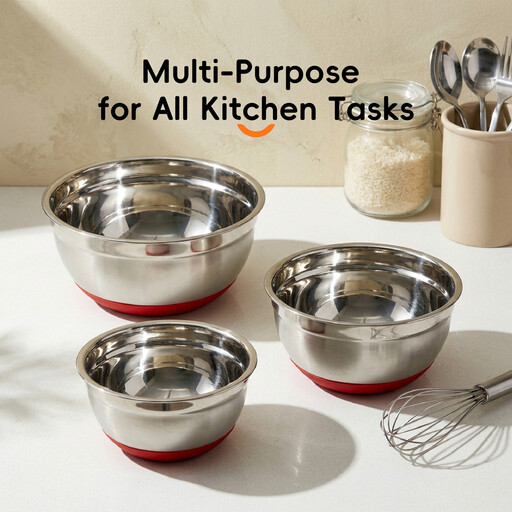
Why this fits the profile: Ideal for hobby bakers and home cooks who often mix, whisk, marinate or prepare dough.
The three bowls have a non-slip base and can be nested together. That reduces sliding during mixing and takes up less cupboard space.
Three stainless steel bowls; silicone non-slip bases; dishwasher-safe according to the product information.
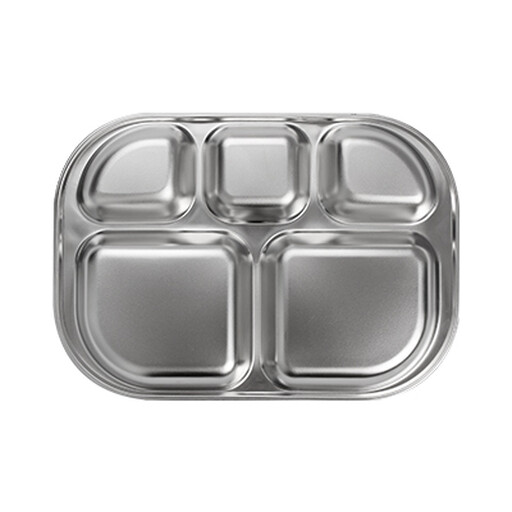
Why this fits the profile: Five compartments are practical when different dishes need to stay separate, for example with family meals, lunch or camping use.
The separate compartments limit mixing of dishes. The product description mentions 304 stainless steel and dishwasher use; check the desired dimensions before you buy.
Five separate compartments; 304 stainless steel according to the product specification; suitable for dishwasher.
We’ve put together a full, up-to-date list of products that fully meet these strict selection criteria and comply with current European safety regulations.
That depends on the application. Ceramic and porcelain are ideal for everyday dining, while plastic storage containers are handy for leftovers and meal prep. For heavy mixing, stainless steel mixing bowls are practical. Always check whether the material is suitable for the dishwasher, microwave, oven or freezer.
Choose stackable kitchenware or bowls that nest inside each other. Check the height when pieces are stacked and see whether lids need to be stored separately. A set with different sizes often makes better use of cupboard and fridge space than individual items of the same size.
The lifespan depends on the material, use and care. Stainless steel and sturdy plastic are less prone to breakage than ceramic, but can still get scratched. Don’t use a scouring pad if the manufacturer advises against it, and avoid large temperature changes with glass and ceramic. That way you’ll keep your kitchenware usable for longer and avoid unnecessary replacements.
