
Vandaag of morgen in huis

Kwaliteit gegarandeerd

Welkomstaanbiedingen ontgrendelen: GRATIS bezorging | Tot 80% korting | Gratis 30 dagen JoyPlus-proefperiode
Download de app
Buying a new set of kitchenware can be a daunting task. The market is flooded with marketing claims about "healthy pans" and clever gadgets. But which products are truly worth the money, and which will end up collecting dust in the back of a cupboard after a few months? As a Joybuy Product Recommendation Officer, I'll help you make the right choices based on facts and functionality.
Before you invest in new cookware, it's important to recognise the most common pitfalls. This will help you avoid buyer's remorse.
To make a smart purchase, focus on a few crucial specifications. These determine the quality and lifespan of your kitchen items.
The debate often centres on traditional non-stick coatings (with PTFE, a type of PFAS) and modern ceramic pans. Ceramic coatings are made from natural materials and do not contain PFAS, PFOA, or PTFE. When choosing a frying pan, pay attention to the quality of the coating. Brands that reinforce their ceramic layer with particles like diamond or titanium often offer better durability and scratch resistance. This is a key feature for those looking for truly healthy pans for the long term.
Always check the specifications for your hob. For an induction cookware set, a fully magnetic, flat base is essential for fast and even heat distribution. Look beyond just pans. A modern combination microwave, for example, can combine functions like grilling and convection, reducing the need for separate appliances. Also, ensure you have matching oven-safe dishes that can handle the temperatures of your oven and microwave.
Practical ease of use is just as important as cooking performance. Are the handles heat-resistant? Is the product dishwasher-safe? For those in small living spaces, such as an apartment, camper, or student room, pans with a detachable handle are a great solution, provided the locking mechanism is sturdy and reliable. Stackable sets can save up to 70% of cupboard space.
Below are some products that align well with different needs, based on their specifications and design.
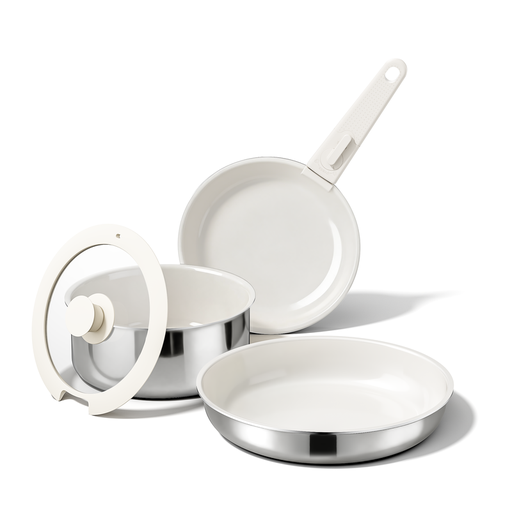
Why This Fits Their Persona: Ideal for those seeking a complete, versatile starter set for a small kitchen, camper, or student room. The set is stackable and saves a tremendous amount of space.
The 'secure-lock' mechanism of the detachable handle is designed for a firm, stable grip, which avoids the pitfall of a wobbly handle. The coating is explicitly PFAS-free.
According to the manufacturer, it saves up to 70% of cupboard space. The pans are suitable for all hobs (including induction), oven-safe, and dishwasher-safe for easy maintenance.
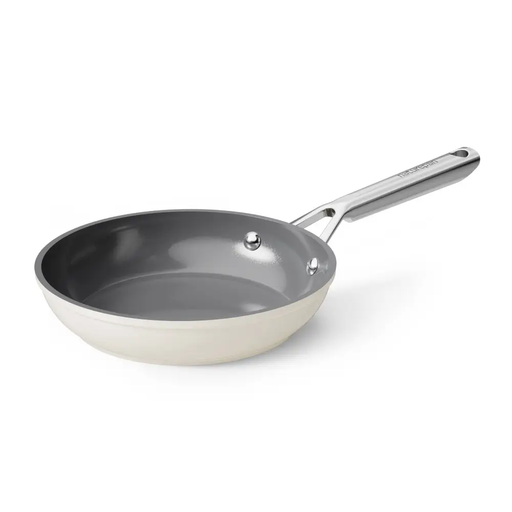
Why This Fits Their Persona: Perfect for the daily cook who wants to invest in a durable, healthy pan. The focus is on the PFAS-free and scratch-resistant coating for worry-free cooking.
This pan tackles the pitfall of a weak ceramic layer. According to the manufacturer, the coating is reinforced with diamond and titanium particles for a longer lifespan and better scratch resistance.
The pan is suitable for all hobs, including induction, and is oven-safe up to 230°C. The stainless steel handle is designed to stay cool on the hob.
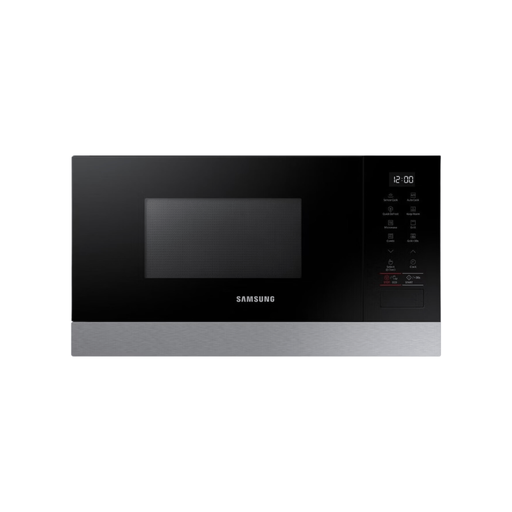
Why This Fits Their Persona: For those who seek efficiency and versatility in a single appliance. This combination microwave combines heating, grilling, and defrosting, saving space and time in a modern kitchen.
The pitfall of complex appliances is often maintenance. The CERAMIC INSIDE interior wall is scratch-resistant and easy to clean, which simplifies upkeep.
Features like the 'Smart Moisture Sensor' automatically adjust the cooking time. The Grill+30sec function ensures a crispy result, and the keep-warm function is ideal for busy households.
We've compiled a complete, up-to-date list of products that meet these strict selection criteria and safety regulations.
The main difference lies in the material of the non-stick coating. Teflon pans use PTFE, a type of PFAS. Ceramic pans have a coating based on sand (silicon) and are free of PFAS, PFOA, and PTFE. This is often seen as a healthier alternative because no potentially harmful fumes are released upon overheating.
A pan is suitable for induction if its base is magnetic. You can easily test this by holding a magnet against the bottom of the pan. If the magnet sticks, the pan is compatible. For the best performance, the base should also be completely flat to make proper contact with the hob. The product description usually states this explicitly.
