
Vandaag of morgen in huis

Kwaliteit gegarandeerd

Welkomstaanbiedingen ontgrendelen: GRATIS bezorging | Tot 80% korting | Gratis 30 dagen JoyPlus-proefperiode
Download de app
A kitchen dish drainer may seem like a simple product, but the wrong size or an awkward drainage system can cause problems every day. A rack that does not fit beside the sink, leaves water on the worktop or does not offer enough space for plates and cutlery can quickly become an obstacle.
So do not focus only on colour and shape. Especially when choosing a dish drainer with drip tray, plate rack or washing-up rack, there are three important pitfalls to avoid.
A product may look small in the photograph, while the handles, cutlery holder or protruding parts require additional worktop space. Before buying, measure the available area beside the sink. Also check the height if there is a wall cupboard above the worktop.
For small kitchens, student rooms and flats, an expandable dish drainer may be more practical. A model that rests in the sink keeps the worktop clear, but it must sit securely on the edges of the sink.
A drip tray collects water, but it will not prevent puddles if it is too small or is not emptied regularly. Check whether the water can run into the sink, for example through a drain plug or raised base. With a freestanding dishwashing rack, a removable tray is useful for cleaning.
Pay attention to the difference between a proper drip tray and just a base plate. A base plate can collect water without directing it towards a drain.
A stainless steel dish drainer may be suitable for everyday use, but the product information should clearly state what type of steel it is made from and how the product should be maintained. With plastic, it is important to know whether the material is sturdy enough for plates and pans. ABS and polypropylene are different plastics with different properties.
A coated metal rack also requires care: check regularly for damage and dry the components thoroughly. According to the product descriptions of some models, they are intended for indoor use and everyday draining; this does not automatically mean that every component is suitable for heat, oven use or long-term storage in a damp environment.
At a minimum, compare:
A rack for a one-person household does not need the same capacity as a model for a family. Product descriptions sometimes use different capacity measures, such as “up to 12 plates” or a stated number of glasses. Treat such figures as a practical indication and take the diameter of your crockery into account.
A dish drainer with drip tray should stand securely and level. A model with a drain plug must be positioned so that the outlet is above the sink or a suitable collection container. With a rack designed to sit in the sink, check the adjustable length and the width of the sink.
A sink drainer basket or sink colander is particularly useful for vegetables, fruit and small amounts of crockery. Check whether the base is raised so that food does not sit in standing water. With telescopic models, the rack must be fully extended and properly supported on both sides.
A plastic dish drainer is often lightweight and easy to clean. A metal or stainless steel model may offer a different appearance and construction, but check the care instructions. In general, use a mild cleaning product and avoid abrasive sponges where recommended by the manufacturer.
A dishwasher-safe component is practical, but check whether this applies to the entire product or only to a specific cutlery holder. According to the product information, the 5five Cutlery Drainer is dishwasher-safe and has three compartments. The ABS plastic model measures 12.8 × 11 × 20.2 cm, making it primarily an addition to an existing washing-up rack rather than a complete plate rack.
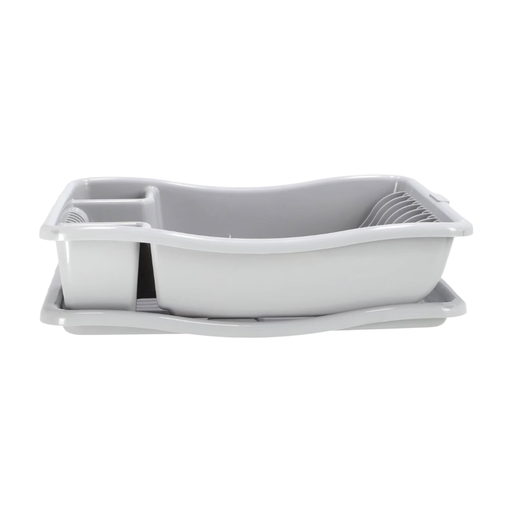
Why it suits this profile: This plastic rack provides an organised base for everyday washing-up and has space for up to 12 plates, two cutlery compartments and a drip tray.
The included drip tray sets it apart from a basic rack without a collection tray. The dimensions are clearly stated, making them easy to compare with your worktop.
Capacity for 12 plates, two cutlery compartments and a plastic construction. The drip tray needs to be emptied and cleaned regularly.

Why it suits this profile: This extendable model is made from 304 stainless steel and has an adjustable length of 29 to 44 cm, according to the product details.
The adjustable length makes it suitable for different sink sizes. However, check that the support points are wide enough for your sink.
304 stainless steel, an extendable design and suitability for vegetables, fruit or crockery. The manufacturer recommends hand washing or checking the dishwasher instructions.

Why it suits this profile: The large version is designed for washing and draining vegetables and fruit, but can also be used as a rack above the sink.
According to the description, the water runs directly into the sink. Adjust the length from 29 to 44 cm and check its stability before adding anything.
304 stainless steel, a fine-mesh structure and a width of 21.2 cm. Particularly suitable when you want a colander and drainer basket to serve both purposes.
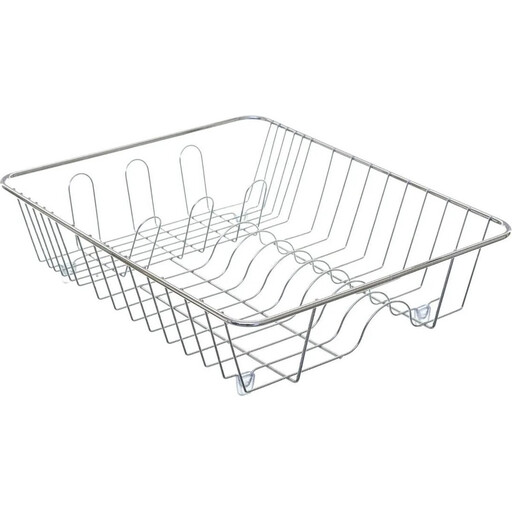
Why it suits this profile: According to the product information, this compact metal washing-up rack is suitable for the kitchen and camping, and has a separate cutlery basket.
The raised edge is designed to help limit leaks. No separate drip tray is listed, so place the rack on a suitable surface.
Space for a stated capacity of eight items, a separate cutlery basket and a weight of 610 grams. It can be cleaned with a damp cloth.
Empty the drip tray daily if you do a lot of washing-up, and remove food residue from a colander immediately after use. Allow metal components to dry after cleaning and check plastic parts for cracks. Overloading can reduce stability, particularly with an extendable model.
5five products state a minimum two-year guarantee under statutory EU consumer rules. This is a statutory guarantee, not a promise that a product will have the same lifespan under all conditions. Keep your proof of purchase and follow the care instructions.
We have put together a complete, up-to-date list of products that fully meet these strict selection criteria and the applicable European safety regulations.
Place a freestanding rack on a flat surface beside the sink, with the drip tray positioned correctly. A model designed to sit in the sink must be fully extended and supported on both sides.
Empty the drip tray regularly, rinse the rack with warm water and mild cleaning product, and dry the components afterwards. Do not leave food residue in a cutlery holder or colander.
Plastic is lightweight and easy to move. 304 stainless steel is often chosen for a metal construction and adjustable sink models. The right choice depends on the available space, how frequently you use it and the care instructions for the specific product.
