
Vandaag of morgen in huis

Kwaliteit gegarandeerd

Welkomstaanbiedingen ontgrendelen: GRATIS bezorging | Tot 80% korting | Gratis 30 dagen JoyPlus-proefperiode
Download de app
Buying pasta seems simple, until you’re left with awkward packaging, the wrong pasta shape or a pasta maker that doesn’t fit your needs. Marketing claims can be confusing too. For example, a rough pasta surface doesn’t automatically mean every sauce will turn out better, and an airtight storage container is only practical if its capacity, seal and dimensions suit your cupboard.
Use these checks to make a more informed choice between spaghetti, fusilli, tagliatelle, pappardelle, wholemeal pasta, fresh pasta and kitchen accessories.
Terms such as “authentic Italian” or “traditional” reveal little about what’s in the product. Check the ingredients list. Dried pasta such as spaghetti is often made from durum wheat and water, but some varieties also contain egg or may contain traces of soya and mustard.
Spaghetti works well with smooth, lighter sauces. Fusilli has more surface area thanks to its spiral shape, so it can pair well with thicker sauces or pasta salads. Tagliatelle and pappardelle are wide ribbons often used with richer sauces. The best pairing is mainly a matter of texture and how you plan to use it, rather than a general claim about quality.
For a pasta roller, check the fitting, adjustable thickness settings, clamp and cleaning instructions. An accessory for a kitchen machine won’t necessarily fit every model. Also check whether it’s dishwasher-safe. The Kenwood roller mentioned here, for example, must not be put in the dishwasher.
Storing pasta comes with a different risk: a large stock-up can be inconvenient if the container isn’t stackable or doesn’t seal properly. According to the product description, the storage containers’ silicone seal and four locking clips help create a barrier against air and moisture. When your order arrives, check that the lid fits securely and always follow the storage instructions on the packaging.
When comparing products, look at:
For example, B+ Whole Grain Fusilli lists 100% organic wholemeal durum wheat, 7 grams of fibre and 12 grams of protein per 100 grams. Grand'Italia Fusilli lists 8.9 grams of fibre per 100 grams. These figures come from the product information provided; check the current packaging for the definitive details.
A short cooking time isn’t always the most important factor. Consider:
La Molisana Spaghetti Bronze lists a cooking time of 12 minutes and comes in a 500-gram pack. The product description mentions a slightly rough surface created by bronze dies. According to the manufacturer, this is designed to help the pasta hold on to sauce. Treat it as a product specification, not a guaranteed cooking result.
When choosing a pasta maker or pasta roller, these practical points matter:
According to the product description, the YASHE QF-150 has seven thickness settings from 0.5 to 3 millimetres, with cutting widths for fettuccini and spaghetti. The DayPlus manual pasta maker lists nine thickness settings from 0.3 to 3 millimetres and two cutting widths. Before buying, check that the available space and the types of pasta you want to make are a good match.
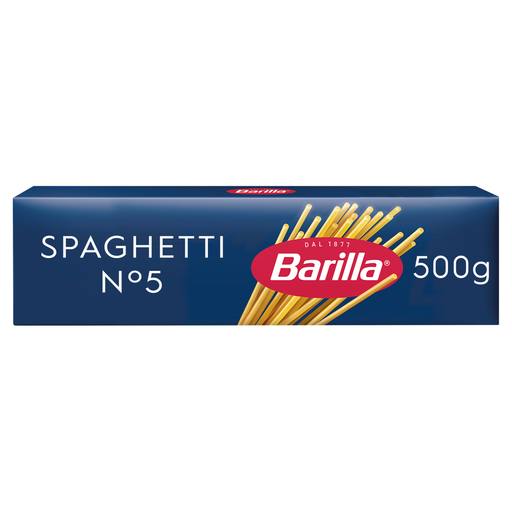
Why it suits this profile: A straightforward pack of spaghetti made from durum wheat and water is ideal for everyday pasta dishes.
The ingredients list is easy to understand, so you don’t have to rely on the claims on the front of the pack.
500 grams; 359 kcal and 13 grams of protein per 100 grams, according to the product information.
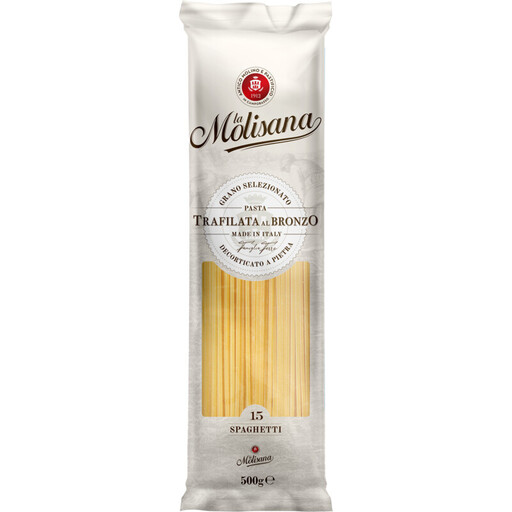
Why it suits this profile: A good choice if you pay attention to provenance, cooking time and the production method described.
The product description lists 100% durum wheat, a 500-gram pack and a cooking time of 12 minutes.
14 grams of protein per 100 grams; the manufacturer describes the surface as slightly rough.
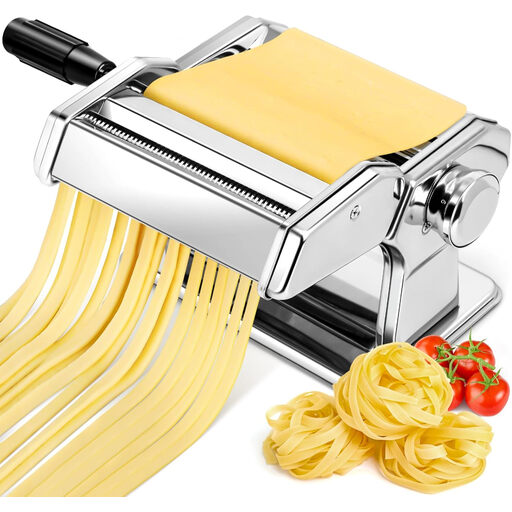
Why it suits this profile: For home cooks who make fresh pasta regularly and want to adjust the thickness and cutting width themselves.
The specifications list seven thickness settings, two cutting widths and a table clamp; just check which parts are included.
Stainless steel, manual operation and parts that can be removed, according to the description.
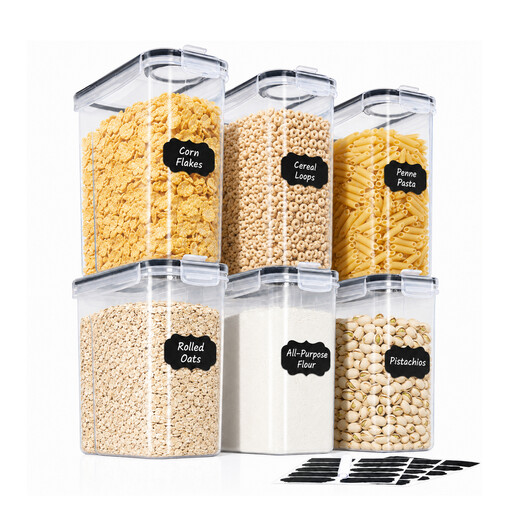
Why it suits this profile: Handy for storing pasta, rice, flour or muesli neatly and in stackable containers.
The transparent containers let you see what’s inside, while their rectangular shape is designed for stacking.
Six 2.5-litre containers; the product description lists BPA-free plastic, a silicone seal and four locking clips.
We’ve put together a complete, up-to-date list of products that meet these strict selection criteria and the applicable European safety regulations.
Dried spaghetti, fusilli or wholemeal pasta is practical because you can store it unopened in a cool, dry place. Seal an opened pack securely or use a suitable storage container. Always check the best-before date and storage advice on the packaging.
To make fresh pasta, you’ll usually need flour or durum wheat, eggs or water, a work surface and a pasta maker or roller. For a manual model, check the clamp, thickness settings and cutting widths. Clean the machine according to the instructions; some rollers should only be brushed clean when dry.
Pasta bowls with a wide, shallow shape can be useful for spaghetti, tagliatelle and other pasta dishes. Check the diameter, whether they’re stackable and whether the material is suitable for the dishwasher and microwave. The product information for a set of bowls is the best guide; a decorative design alone doesn’t tell you whether they’re suitable for everyday use.
