
Vandaag of morgen in huis

Kwaliteit gegarandeerd

Welkomstaanbiedingen ontgrendelen: GRATIS bezorging | Tot 80% korting | Gratis 30 dagen JoyPlus-proefperiode
Download de app
Good kitchen accessories make everyday preparation easier, but there is a huge range to choose from. A product may look sturdy yet be awkward to use, difficult to clean or unsuitable for the way you cook. This applies to kitchen knives, chopping boards, kitchen graters and small tools such as a bottle opener.
So don’t focus solely on colour or brand name. The most important questions are: what will you use the product for, which materials have been used and how should you maintain it?
A sleek design says little about everyday use. A large chopping board, for example, may be too heavy for a small kitchen, while a lightweight board may slide around while you chop. Always check the dimensions, weight and shape.
With knives, the relationship between blade length, handle and overall length is particularly important. A 20 cm chef’s knife is versatile, but a 9 cm paring or vegetable knife may be more comfortable for small ingredients.
A product described as dishwasher-safe does not necessarily have the longest possible lifespan if it is repeatedly washed intensively in the dishwasher. Wood, certain plastics, coatings and glued joints can be more sensitive to this.
That’s why you should follow the care instructions. A stainless steel grater, potato masher or kitchen scissors is generally easy to clean. For a knife set with wooden handles, hand washing may be the sensible choice, even if the specifications state that it is dishwasher-safe.
Terms such as “extra sharp”, “professional” or “durable” are not always enough to assess a product. Look for verifiable details such as material, dimensions, capacity, number of parts and cleaning instructions.
A brand’s own research may suggest, for example, that a particular structure reduces scratches or improves grip. Treat such a statement as a product claim made by the brand, rather than a guaranteed result in every kitchen.
Stainless steel is a practical choice for kitchen graters, kitchen scissors, potato mashers and many kitchen knives. The material is relatively easy to clean and suitable for everyday use. However, check whether the handle is made from plastic, wood or another material, as these parts may have different care requirements.
A ceramic mortar and pestle is suitable for grinding herbs, spices and ingredients for pesto. Ceramic is sturdy, but it can be damaged if dropped. A pouring spout, such as the one on the Alpina mortar, is useful when you want to transfer ground ingredients.
A 17 x 12 inch chopping board provides plenty of workspace, but it also takes up room in the dishwasher and kitchen cupboard. A 35 x 25 cm model with a collection tray is more compact and can be useful when you want to collect chopped ingredients or waste directly.
With a food chopper, capacity is at least as important as power. According to the product specifications, the Rommelsbacher MZ 500 has a power output of 500 watts, a 1.5-litre glass bowl and a four-wing stainless steel blade. This makes it suitable for larger portions than a small manual chopper, but it also requires more storage space.
For everyday cooking, kitchen accessories that are easy to clean are often more practical than complicated models with hard-to-reach seams. Check whether removable parts are dishwasher-safe and whether they need to be dried thoroughly after washing.
A knife will also remain usable for longer when you use it on a suitable chopping board and avoid letting it strike hard surfaces or other knives. A bread knife, chef’s knife or santoku knife may also require regular maintenance, such as sharpening with a whetstone or honing with a honing steel.
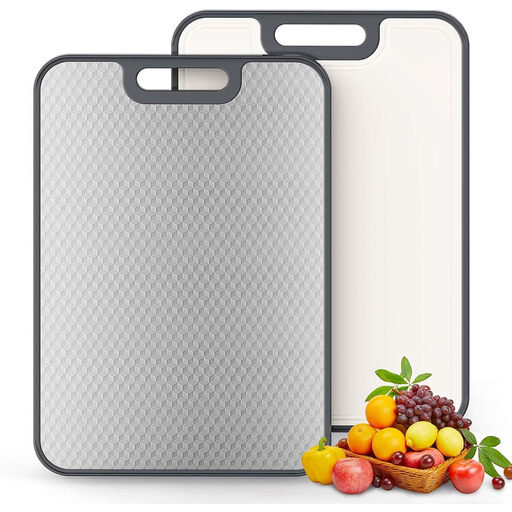
Why it suits this profile: The double-sided board provides separate zones for meat and vegetables and measures 17 x 12 inches. It’s practical for anyone looking for one versatile board for everyday cooking.
The specifications list stainless steel and wheat straw PP, a water- and oil-resistant surface, and cleaning by hand or in the dishwasher. However, check that the size fits in your dishwasher.
Double-sided design, weighing approximately 1.6 kg, and described as dishwasher-safe.
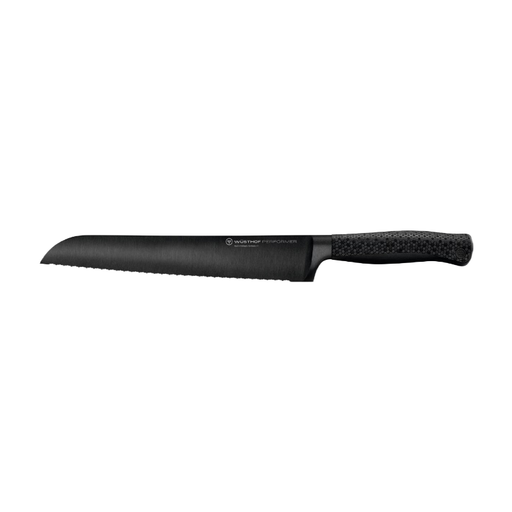
Why it suits this profile: Keen home bakers and households that often slice bread or cake may benefit from the long, 23 cm serrated blade and a handle with an anti-slip texture.
Its purpose is clearly defined: this is a bread knife, not an all-purpose chef’s knife. That means you can choose it for a specific task rather than judging it by appearance alone.
23 cm Damascus steel blade and ergonomic handle. The product description states that the knife is dishwasher-safe; hand washing may help support its lifespan.
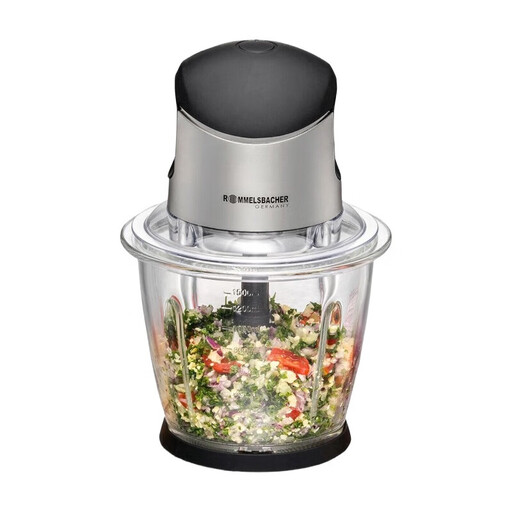
Why it suits this profile: For large quantities of onions, herbs, nuts or meat, this food chopper offers a 1.5-litre bowl and 500 watts of power.
The capacity and power are clearly stated, so you can assess whether the appliance suits the portions you prepare. It has one speed, which is worth bearing in mind if you want plenty of control.
1.5-litre glass bowl, four-wing stainless steel blade and dishwasher-safe removable parts according to the product information.
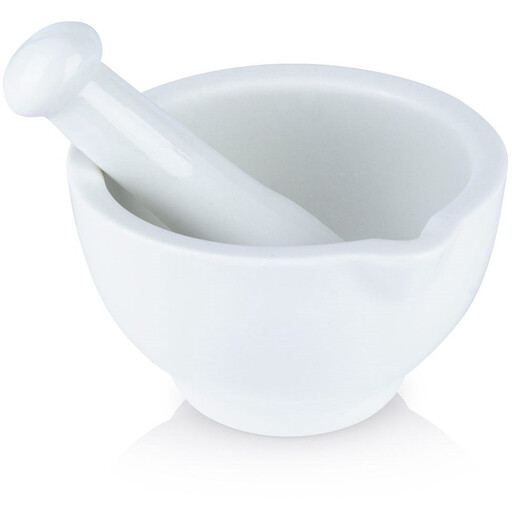
Why it suits this profile: This 10 cm ceramic mortar is designed for herbs, spices and pesto, and takes up very little space on the worktop.
The diameter and height are clearly stated. This makes it clear in advance that the model is suitable for smaller quantities rather than large portions.
Ceramic bowl, included pestle, pouring spout and, according to the product description, dishwasher-safe.
We’ve put together a complete, up-to-date list of products that fully meet these strict selection criteria and the applicable European safety regulations.
For most households, a practical basic selection consists of:
Start by choosing the accessories you use every week. This helps you avoid paying for features that end up unused in a drawer.
Start with a chopping board, chef’s knife, bread knife, kitchen grater, kitchen scissors and a few basic accessories such as a bottle opener. Add a food chopper or mortar and pestle if you regularly use one for sauces, herbs or larger quantities of ingredients.
Their lifespan depends on the material, use and maintenance. Stainless steel tools can last a long time with normal use, while knives retain their cutting ability when used correctly, sharpened regularly and cleaned carefully. Check the care instructions for each product.
Dishwasher-safe products are easier to clean, but this does not tell you everything about long-term wear. Pay particular attention to handles, wooden parts, coatings and moving components. For some products, hand washing and thorough drying may be the more practical approach to maintenance.
