
Vandaag of morgen in huis

Kwaliteit gegarandeerd

Welkomstaanbiedingen ontgrendelen: GRATIS bezorging | Tot 80% korting | Gratis 30 dagen JoyPlus-proefperiode
Download de app
Kitchen towel might seem like a straightforward household product, but the differences between kitchen rolls are actually quite significant. A cheap pack may contain very few sheets, tear easily, or hide a lot of air inside the roll. On the other hand, you can end up paying extra for terms like “extra strong” or “super absorbent” without any clear explanation of what those claims are actually based on.
With this practical buying guide, you can compare kitchen rolls based on the features that really matter in a British household: absorbency, strength, number of sheets, ply thickness, roll size and material.
A pack of eight rolls might look like good value, but it tells you very little about the total amount of paper you’re getting. Always check the number of sheets per roll and, where available, the size of each sheet. A jumbo kitchen roll, for example, may contain fewer rolls but offer more sheets per roll or larger sheets.
It’s far better to compare the price per sheet or per 100 sheets rather than just the price per pack.
Words like absorbent kitchen towel, oil-absorbent and water-locking often come from product marketing. They are not automatically an independent measure of quality. According to a brand’s product description, a particular texture might absorb moisture or grease more effectively, but the real-life performance also depends on the amount of liquid and how you use the paper.
Look out for concrete details such as 2-ply kitchen towel, 3-ply kitchen towel, sheet dimensions and the number of sheets.
A jumbo kitchen roll or maxi roll might save you from having to replace it as often, but it won’t always fit a standard kitchen roll holder. Check the diameter and width of the roll if you’re using an existing holder. If you’re using the roll loose without a holder, this is less of an issue, but a larger size will still take up more space in your cupboard.
2-ply kitchen towel is usually fine for everyday tasks like drying your hands, wiping up crumbs and soaking up small spills. 3-ply kitchen towel can offer more structure and thickness for grease, larger amounts of liquid or heavier cleaning jobs. However, more layers don’t automatically mean each sheet is more efficient. The quality of the fibres, the embossing and the sheet surface all play a part too.
According to the product description for Nalys Xtra Power, the paper stays strong when wet, doesn’t fray and is absorbent. Treat this as a manufacturer’s specification, not a universal guarantee for every cleaning situation.
A roll with lots of sheets is handy for a busy household, but a large sheet can waste paper on small jobs. Perforated sheets make it easier to tear off exactly the amount you need.
The Selpak Kitchen Paper Jumbo is said to have around 300 sheets per roll and a sheet size of roughly 260 × 228 mm, according to the product information. The manufacturer also states that one roll is equivalent to six standard rolls. When you buy, always check whether that comparison matches your usual usage.
If you’re looking for eco-friendly kitchen towel, you can look out for recycled packaging, bamboo fibres, unbleached materials and compostability claims. Just be sure to check exactly what is compostable: the paper itself, the packaging, or both. A claim like “biodegradable” doesn’t automatically mean the product is suitable for your food waste bin or home compost.
Bamboo kitchen towel can be an interesting option for shoppers who are consciously looking at alternative fibres. BABO products, for example, list 100% bamboo pulp, 2 ply and 120 sheets per roll in the product name. Always read the packaging for specific disposal and usage instructions.
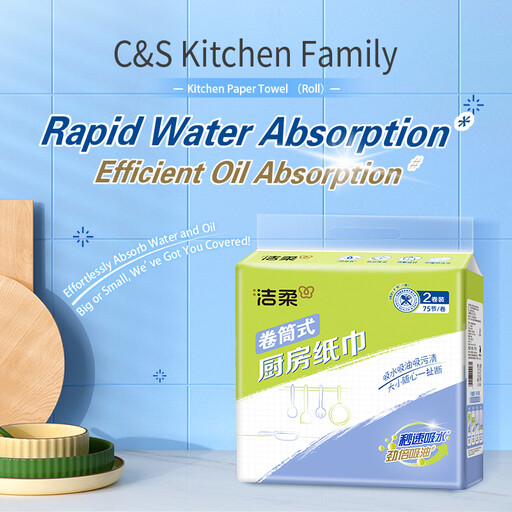
Why this fits the profile: A straightforward pack of two rolls with 75 sheets per roll is practical for smaller households or anyone wanting to try a 2-ply kitchen towel first.
The number of rolls and sheets is clearly stated, so you’re not relying on the pack size alone.
2 rolls, 2 ply and 75 sheets per roll according to the product name.
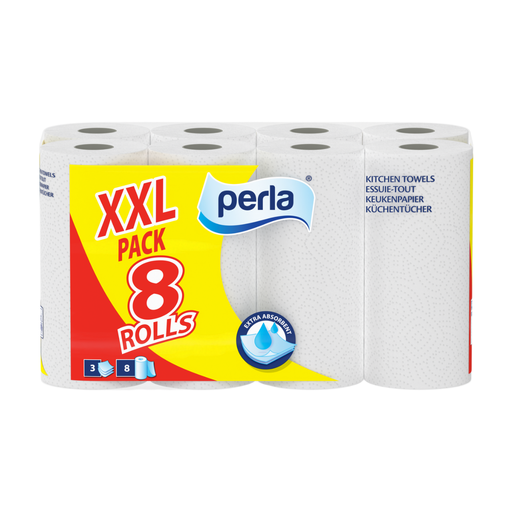
Why this fits the profile: For households that prefer a thicker paper structure for cooking, cleaning and absorbing moisture.
The product name explicitly states three ply, so the thickness isn’t hidden behind vague marketing language.
8 rolls and 3-ply paper according to the product information.
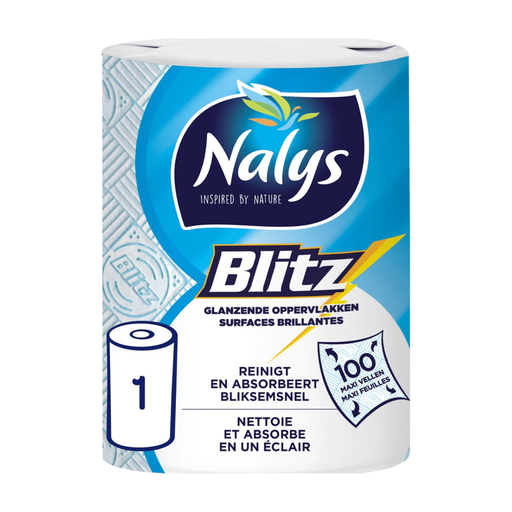
Why this fits the profile: Handy for larger spills, grease and heavier cleaning jobs where a bigger sheet can be really useful.
The size is clearly stated: 100 extra-large sheets, reportedly around 60% larger than standard kitchen towel.
3 ply, 100 extra-large sheets and paper packaging according to the product information.
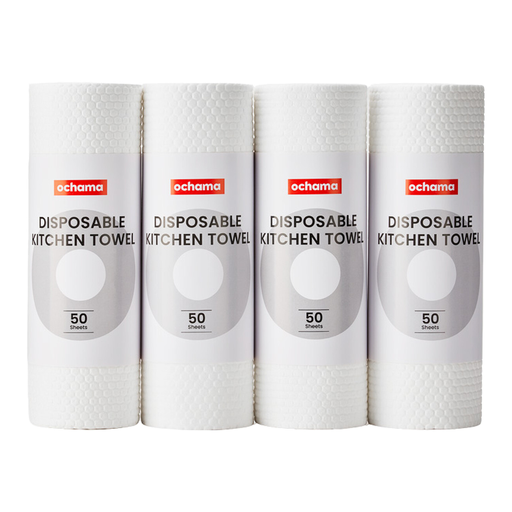
Why this fits the profile: These reusable kitchen wipes are designed for both dry and damp use on worktops, hobs and tables, among other surfaces.
You can use one wipe per task and, according to the description, use it both dry and damp.
200 sheets across four rolls, with both dry and damp use according to the product description.
We’ve put together a full, up-to-date list of products that fully meet these strict selection criteria and comply with current European safety regulations.
Choose a roll whose product information explicitly mentions oil or grease absorption, and also pay attention to the ply thickness. Larger sheets can be handy when dealing with a greasy hob or pan. Dispose of used kitchen towel in your general waste bin and never flush it down the toilet.
Kitchen towel generally doesn’t have a short shelf life like fresh food. However, do store it in a dry, clean place away from moisture. Check the packaging for any best-before or usage information. A damaged or damp roll can be less pleasant to tear off and less hygienic.
That depends on the purchase price, how many times you use them, and how you dispose of or wash them. Reusable kitchen wipes can be suitable for repeated use on surfaces, while kitchen towel remains handy for grease, raw food residue or one-off spills. So don’t just compare the price per pack – also think about your daily usage.
